




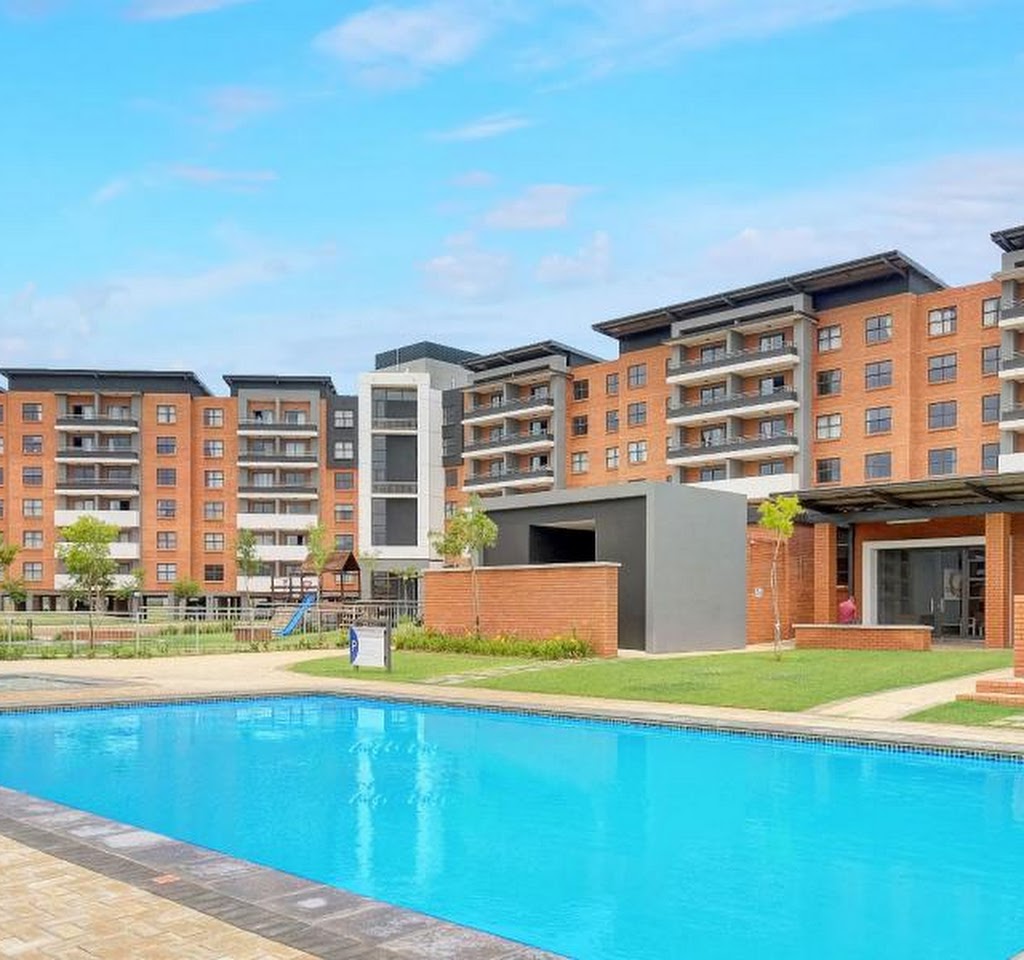
”South Africa’s rental market in July 2026 shows strong yields in Gauteng and Cape Town, with Centurion apartments delivering up to 12.5% net yield. However, tenants face mounting affordability challenges as average rents rise to R9,600 per month, outpacing wage growth.”
Market Overview
The South African rental property market in mid-2026 reflects a complex interplay of macroeconomic stability, urban demand, and affordability pressures. Following years of interest rate tightening, the South African Reserve Bank’s stabilization has improved mortgage affordability, but rental demand remains elevated as many households remain priced out of ownership. Investors are drawn to high-yield nodes, while tenants grapple with escalating costs.
Gauteng: The Yield Capital
- Centurion: Entry-level one-bedroom units priced at R620,000 with rents of R7,600/month deliver 14.7% gross yield and 12.5% net yield, making Centurion the standout performer.
- Sandton, Rosebank, Bryanston, Fourways: Net yields range between 9.7%–11.4%, supported by professional tenants and proximity to offices, hospitals, and retail hubs.
- Gauteng’s dominance stems from tenant depth, economic activity, and transport connectivity, making it the most reliable rental-income region.
Cape Town: Polarized Market
- Observatory & Woodstock: Smaller-unit yields remain strong, with net yields of 11.4% and 10.2% respectively.
- Sea Point & Green Point: Despite lifestyle appeal, yields are weaker due to high purchase prices relative to rent.
- Premium suburbs like Clifton and Camps Bay continue to attract wealthy buyers, but rental yields are less compelling compared to Gauteng.
National Rent Levels
- Average rent (June 2026): R9,600/month
- Studios: Around R7,000/month
- One-bedroom apartments: Average R8,500/month, ranging from R6,500–R13,500 depending on location.
- Coastal and premium urban areas command higher rents, while inland secondary markets remain more affordable.
Tenant Affordability Crisis
While yields attract investors, tenants face mounting affordability challenges:
- Rent inflation outpaces wage growth in many urban centers.
- Load-shedding, water reliability, and municipal service delivery directly affect rental demand and pricing.
- Tenants increasingly prioritize properties with backup power, security, and proximity to schools/universities.
Investment Signals
- Best property type: 1- and 2-bedroom sectional-title apartments or townhouses.
- Risk factors: Maintenance costs, levies, vacancy rates, and management fees.
- Foreign buyers: The weaker rand continues to attract UK and European investors, especially in Cape Town.
Policy & Outlook
The rental market’s trajectory depends on:
- Interest rate cuts by SARB
- Municipal service improvements
- Broader economic recovery
If affordability pressures persist, policymakers may need to accelerate affordable housing initiatives to prevent widening inequality in urban rental markets.



