




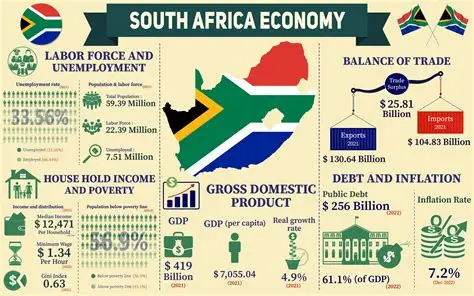
“South Africa’s consumer inflation fell to 4.3% in July 2026, its lowest in five months, thanks to softer food inflation (0.9%, the lowest in 16 years) and reduced fuel costs. Yet, high unemployment (33.6%), rising household debt, and expected fuel price hikes in September threaten to erode these gains.”
South Africa’s July 2026 inflation data offers a paradox: while headline consumer inflation eased to 4.3%, households remain squeezed by weak employment, rising debt, and looming fuel price hikes. This signals that while the cost-of-living crisis is easing, the income crisis persists.
Inflation Trends
The moderation in inflation was driven by lower food inflation (0.9%), reduced municipal tariffs, and softer fuel prices. For households, especially low-income earners, this marks a rare reprieve. However, economists caution that this relief may be temporary, with El Niño-driven agricultural costs and global oil volatility threatening renewed price pressures.
Employment and Income
Despite easing inflation, unemployment climbed to 33.6% in Q2 2026, underscoring structural weaknesses in the labor market. Without job creation, households cannot translate lower inflation into stronger consumption. This highlights the disconnect between price stability and income growth.
Household Debt Crisis
Debt levels among high-income earners have surged, with individuals earning over R50,000 per month requiring 103% of income to service debt. This debt overhang limits discretionary spending and raises risks of financial instability.
Business Confidence
The Business Confidence Index (BCI) rose to 125.4 in July, boosted by vehicle sales and exports. Yet, firms remain hesitant to invest due to energy shortages, logistics inefficiencies, and governance concerns.
Policy Implications
For the South African Reserve Bank (SARB), the inflation decline is encouraging but not sufficient to justify aggressive rate cuts. Policymakers must balance inflation management with structural reforms to boost employment and investment.
Conclusion
South Africa’s microeconomic outlook remains fragile. While inflation relief offers short-term gains, structural challenges in employment, debt, and investment continue to weigh on households and businesses. The path to sustainable recovery will be gradual, uneven, and dependent on both domestic reforms and global stability.
⚠️ Risks & Challenges
- Fuel Price Hikes in September could reignite inflation.
- Debt Overhang among high-income earners threatens financial stability.
- Weak Job Creation undermines household recovery.
- Global Geopolitical Tensions may disrupt trade and energy markets



