




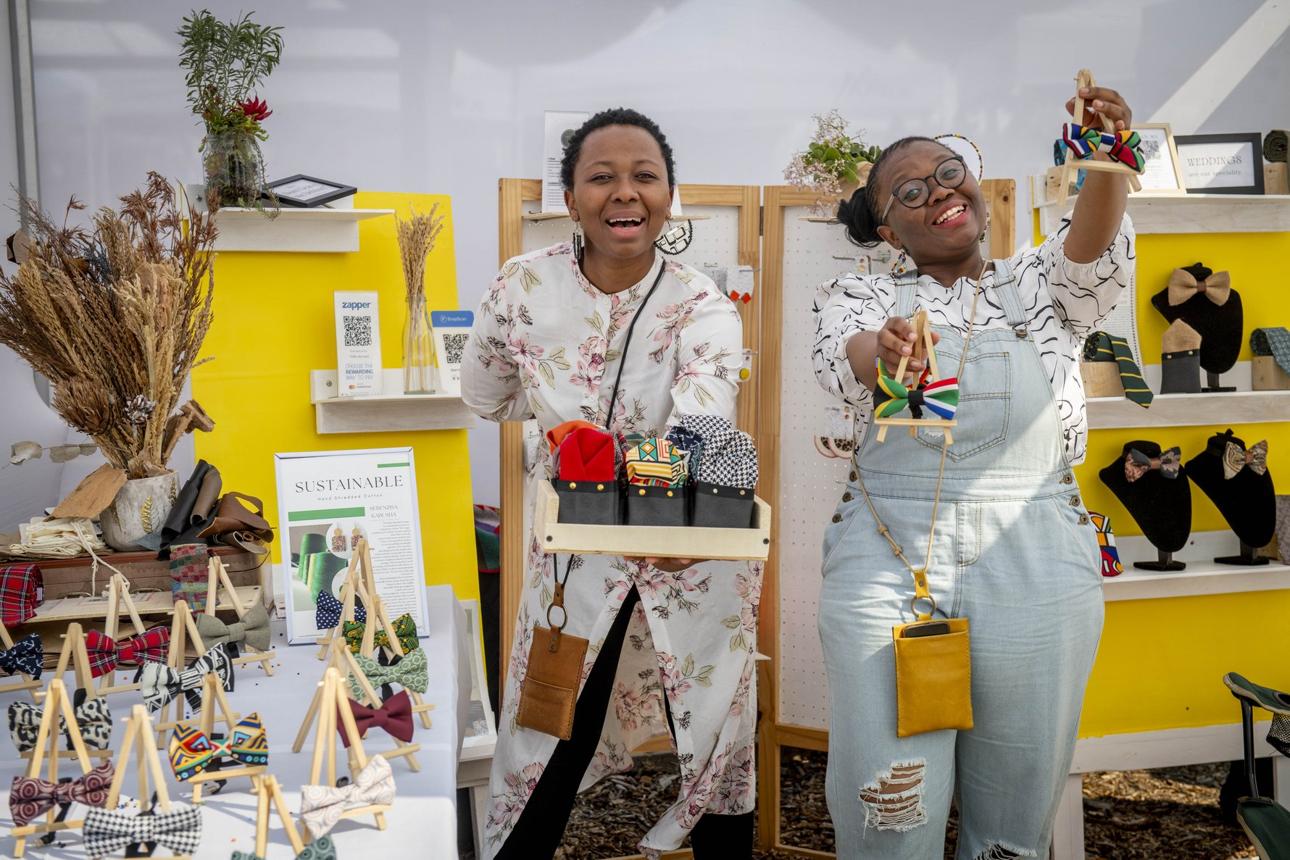
“The Jazzy Joburg Market has returned alongside the 27th Standard Bank Joy of Jazz in Johannesburg, bringing local fashion, jewellery, art, crafts and other locally produced goods into the spotlight on 25 and 26 September 2026. The event is also creating market-access opportunities for Johannesburg-based small businesses while connecting fashion and creative entrepreneurship with music, tourism and the city’s broader cultural economy.”
Johannesburg’s fashion and creative scene is getting a platform this weekend as the Jazzy Joburg Market returns alongside the Standard Bank Joy of Jazz. The market, running at the Sandton International Convention Centre on 25 and 26 September, brings fashion, jewellery, art, crafts, home décor and other locally made products into the festival experience. The latest development was reported on 26 September, placing the market among the most immediate fashion-related event stories emerging in South Africa today nationally.
The return is significant because the market is not simply a retail add-on to a major music festival. Organisers and city tourism officials describe it as a meeting point between creativity, entrepreneurship, tourism and audiences. For fashion businesses, that creates a physical environment where independent labels, makers and designers can introduce products directly to consumers while benefiting from the attention generated by one of Johannesburg’s established cultural events.
A Growing Platform for Local Fashion
The Jazzy Joburg Market is now in its second year. According to BuzzLife News, the 2025 edition gave 25 local small, medium and micro enterprises an opportunity to showcase their businesses to people attending Joy of Jazz. The 2026 edition continues that model, with Johannesburg-based SMMEs receiving trading opportunities as the festival brings audiences into Sandton.
Fashion is one part of a broader creative mix. Visitors are expected to encounter locally produced clothing and accessories alongside jewellery, art, crafts, décor and other artisanal products. That variety matters because contemporary fashion events increasingly overlap with lifestyle, design, music and cultural experiences. A shopper may arrive for the music, discover an emerging fashion label, meet its creator and leave with a product connected to Johannesburg’s creative economy.
The model also changes the relationship between fashion brands and audiences. Instead of relying entirely on online discovery or traditional retail channels, participating businesses can speak to customers face to face. That interaction allows entrepreneurs to explain how products are made, tell brand stories and receive immediate responses from potential buyers.
Where Fashion Meets Music and Culture
The market forms part of the 27th edition of the Standard Bank Joy of Jazz, taking place on 25 and 26 September at the Sandton Convention Centre. Official festival information confirms the two-day programme and describes Joy of Jazz as a long-running cultural event in Johannesburg. The festival brings together South African and international performers, while the market adds another layer of creative activity around the main stages.
This combination reflects how modern fashion events often operate within larger cultural ecosystems. Clothing is not experienced in isolation. Music, food, art, design and social gatherings influence what people wear, how brands communicate and how audiences discover new creative businesses. By placing local fashion and craft businesses inside a major festival environment, the Jazzy Joburg Market gives entrepreneurs access to an audience already interested in culture and entertainment.
Creating Market Access for Entrepreneurs
One of the clearest themes surrounding the 2026 market is market access. Many smaller creative businesses face the challenge of reaching large numbers of potential customers without the marketing budgets available to established brands. A curated event can reduce that barrier by placing entrepreneurs in an environment where audiences are already gathering.
The City of Johannesburg says the festival partnership is intended to support local businesses, tourism and emerging entrepreneurs. Joburg Tourism reported that the 2025 festival attracted more than 30,000 attendees and generated an estimated R99.2 million in economic impact, while supporting approximately 320 employment opportunities and providing market access to 50 SMMEs. For 2026, the city expects more than 30,000 visitors and says the Jazzy Joburg Market will create trading opportunities for 25 Johannesburg-based SMMEs.
A designer or jewellery maker participating in the event is not only displaying products; the business is entering a network involving customers, tourism, organisers, other entrepreneurs and potential commercial partners. Even when an immediate sale does not occur, exposure can contribute to future enquiries, social media visibility, partnerships and repeat customers.
A Contemporary Expression of Johannesburg
The market also arrives during a year in which Joy of Jazz is connecting its cultural programme to important South African historical anniversaries. The latest report says the 2026 festival is reflecting on 50 years since the 1976 Soweto Uprising and 70 years since the 1956 Women’s March. These commemorations give the wider festival a focus on heritage, memory and social change.
Within that context, the presence of contemporary designers, artists and makers adds another dimension. Fashion can communicate identity through colour, fabric, silhouette, craft and visual storytelling. Local fashion businesses often draw inspiration from communities, histories and everyday experiences while adapting those influences into products for modern consumers.
Why the Event Matters for Fashion Audiences
For fashion consumers, the attraction is the opportunity to discover products outside conventional shopping environments. Independent businesses can offer distinctive designs, limited-run products and direct conversations with creators. For emerging designers, the value lies in visibility and access to an audience that may include Johannesburg residents, visitors from elsewhere in South Africa and international guests.
The event also demonstrates how fashion discovery is becoming increasingly experience-driven. Consumers may encounter a brand through a social event, music festival, pop-up market or cultural activation before following it online or visiting a permanent store. This can be valuable for small labels that depend on community recognition and direct customer relationships.
For Johannesburg, the market contributes to the city’s effort to position itself as a destination for culture, lifestyle and business tourism. Joburg Tourism has described its partnership with Joy of Jazz as a way to connect visitors with local businesses and creative experiences. The market is therefore part of a destination strategy as well as a fashion and retail opportunity.
The Wider Economic Picture
Joburg Tourism says the Joy of Jazz ecosystem has historically generated more than R34.5 million in direct spending, contributed approximately R86 million to the Gauteng economy and supported more than 1,200 temporary and permanent jobs across its value chain. Standard Bank has similarly highlighted the festival’s contribution to artists, audiences, small businesses and the broader economy.
These figures are reported economic-impact estimates rather than a guarantee of revenue for every participating business. They nevertheless show why a creative market attached to a major festival can be relevant to entrepreneurs. Concentrated visitor traffic creates opportunities for sales and exposure, while multiple creative categories can encourage visitors to spend more time engaging with local businesses.
What to Watch as the Market Develops
The 2026 Jazzy Joburg Market will be worth watching beyond this weekend because its continued development could show how South African fashion and creative enterprises use cultural events to reach consumers. Its second edition suggests that the concept is developing into a recurring platform within the Joy of Jazz ecosystem.
The immediate story is therefore about more than a weekend market. It is about the growing overlap between fashion, music, tourism, entrepreneurship and local culture. By placing independent businesses alongside a major festival, the initiative gives Johannesburg-based creatives a public stage and gives audiences another way to experience the city.
As the 27th Standard Bank Joy of Jazz continues its September programme, the Jazzy Joburg Market adds a distinctly local commercial and creative dimension to the event. For fashion audiences, its importance lies in the visibility it creates for designers, makers and small brands. For entrepreneurs, it offers direct market access. And for Johannesburg, it provides another example of how cultural events can connect creative expression with tourism and economic activity.
The market’s return on 25 and 26 September 2026 consequently stands out as a timely fashion-events story in South Africa: a local platform using a major cultural gathering to place fashion, craftsmanship and independent enterprise directly in front of audiences. Its longer-term impact will depend on the businesses involved and the relationships created, but the event reflects a broader movement toward fashion experiences that combine commerce, culture and community.



