




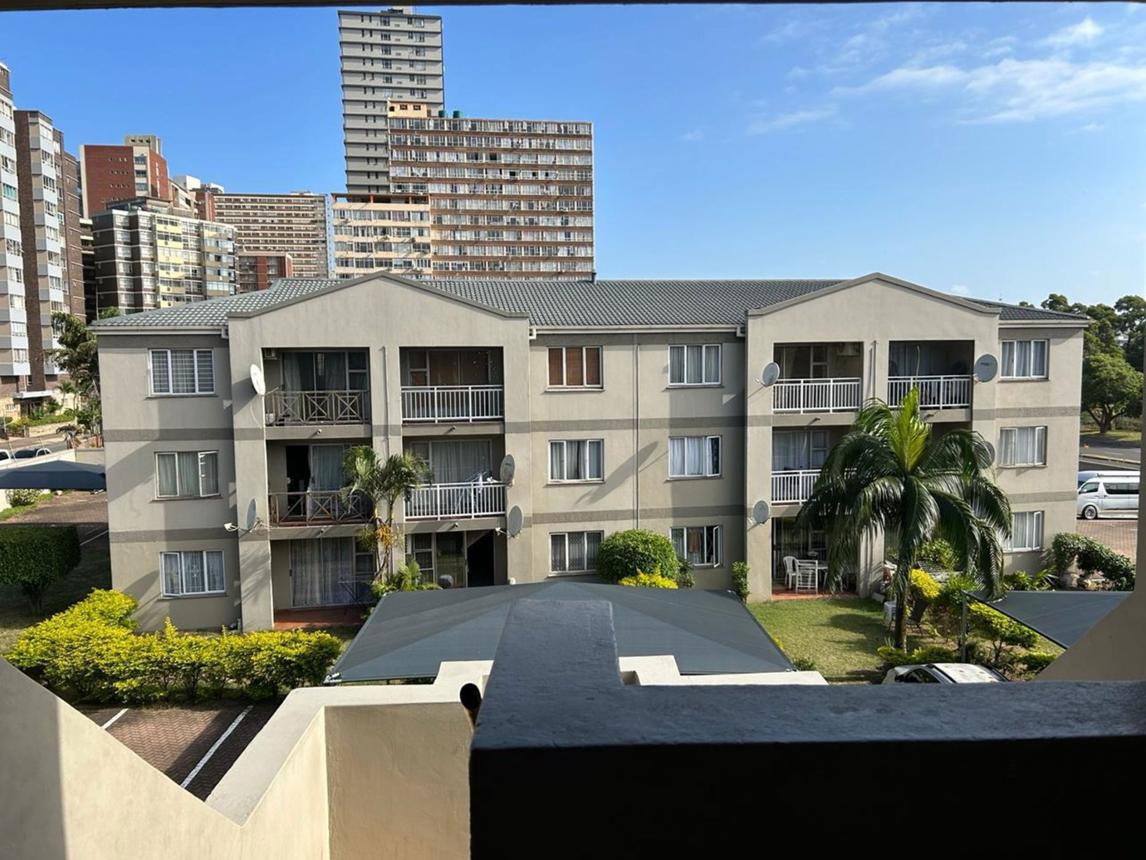
“South Africa’s residential rental market is facing continued affordability pressure, with rising average rents and a significant proportion of tenants falling behind on payments. Recent High Court cases reported by IOL show that non-payment can eventually result in eviction, but landlords must follow the legally required process and obtain the appropriate court order.”
South Africa’s Rental Market Under Pressure
South Africa’s residential rental market is entering a period in which affordability pressures, rising rental costs and disputes over unpaid rent are increasingly colliding with the legal protections governing evictions. An IOL report published on 22 September highlights the issue through recent High Court cases, showing that tenants may ultimately face eviction after failing to pay rent, while landlords must follow a defined legal process before removing occupants.
The report comes against a wider rental-market backdrop. PayProp’s second-quarter 2026 Rental Index put the national average residential rent at R9,715 a month, up R133 from the first quarter and 5.2% year on year. At the same time, 16.9% of tenants were in arrears, slightly higher than the 16.7% recorded during the first quarter. Tenants who were behind owed an average equivalent to 73.5% of one month’s rent.
These figures indicate that payment difficulties remain an important issue for the rental sector. For households already managing food, transport, electricity and other living expenses, increases in housing costs can reduce the amount of income available for other necessities.
Durban Eviction Case Highlights Rental Risks
One of the cases highlighted by IOL involves a Newlands East family in Durban that occupied a rental property for more than 12 years without paying rent. The KwaZulu-Natal High Court ordered the family to vacate the property by 15 October 2026. If they fail to comply, the sheriff is authorised to enforce the eviction from 20 October.
According to the judgment, the lease began in 2014 and rent was not paid from that year onward. An earlier attempt to cancel the lease was challenged successfully in 2019 because the landlord had not given sufficient time to remedy the breach. The later proceedings were based on a new breach. In 2025, the applicants issued a new notice, allowed a month for the non-payment to be addressed and subsequently cancelled the lease when the arrears remained unresolved.
The distinction between the two proceedings was important. The court considered the legality of the later cancellation separately from the earlier cancellation. This meant the 2019 finding did not prevent the court from considering whether the 2025 cancellation had been properly undertaken.
Housing Rights Remain Relevant
The family argued that eviction could leave them homeless. South Africa’s Prevention of Illegal Eviction from and Unlawful Occupation of Land Act, commonly known as PIE, requires courts to consider whether an eviction would be just and equitable.
The circumstances of occupants, including the presence of children and the availability of alternative accommodation, can be relevant. In the Durban case, however, the court found that the evidence presented did not sufficiently demonstrate that the family could not afford alternative accommodation or that eviction would necessarily leave them homeless.
The court also considered the nature of the property. It was rental accommodation rather than free housing, and the owner was not required to provide housing without payment. The property owner, FMHC Rental SA NPC, was also under business rescue. The judgment considered the financial consequences of continued occupation without rent before concluding that the occupants had no valid basis to remain after the lease had been lawfully cancelled.
Landlords Cannot Simply Remove Tenants
The recent cases also demonstrate that rental arrears do not give landlords permission to bypass the legal system. Residential evictions governed by PIE require a court process and, ultimately, a court order.
IOL reported another Johannesburg matter in which a tenant disputed the amount of arrears, which had reached almost R188,580 according to the landlord’s account. The tenant also raised concerns about the treatment of prepaid electricity payments. The court treated the eviction question separately from the exact calculation of the debt, illustrating that a disagreement over an account does not necessarily determine whether a tenant can remain indefinitely after a lease has been cancelled.
At the same time, landlords who attempt to remove tenants without following the required process can face legal consequences. In a Randburg case referred to by IOL, occupants were removed while an eviction application was still pending. The Gauteng High Court found the removal unlawful and ordered possession to be restored. The owners were prohibited from interfering through actions such as changing locks, disconnecting utilities or removing belongings while the proceedings continued.
Proper Notice Is Essential
Another 2026 case reinforces the importance of correct eviction notices. In Dikgwathle v Phetheni, the North West High Court overturned an eviction after finding that a private notice to vacate did not meet the statutory requirements. PIE requires written and effective notice of eviction proceedings to the occupier and municipality at least 14 days before the hearing.
This notice must provide important information about the proceedings, including the hearing details, grounds for the proposed eviction and the occupier’s opportunity to appear before the court and defend the matter. The case demonstrates why procedural requirements are not merely technical details in rental disputes.
Rental Affordability Is Also Changing
The legal disputes are taking place alongside significant regional differences in rental prices. Eyewitness News reported in September that Cape Town’s average monthly rent had increased to R12,561, according to PayProp’s second-quarter 2026 index. That represented an increase of R1,107, or 9.7%, compared with the previous year. The Western Cape remained South Africa’s most expensive province for renters in that report.
PayProp attributed part of the pressure to population growth and semigration. Eyewitness News also reported that some households were responding by downsizing, moving to less expensive locations or sharing accommodation.
The trend illustrates why rental affordability remains closely connected to broader property-market conditions. When demand rises in popular urban areas while housing supply remains constrained, rental costs can increase, putting additional pressure on households that depend on the rental market.
Responsibilities for Landlords and Tenants
For landlords, the recent court cases underline the importance of proper documentation. Lease agreements should clearly identify the rental amount, payment dates, responsibilities and procedures for dealing with breaches. When rent is not paid, landlords should retain records of notices, correspondence and payments and ensure that the required legal steps are followed. The Durban case demonstrates how an earlier procedural error can significantly complicate an eviction.
For tenants, the message is equally practical. Rent arrears should not simply be ignored. Tenants experiencing payment difficulties can communicate with landlords, review their lease and seek appropriate assistance before disagreements escalate. At the same time, landlords retain legal responsibilities even when tenants are behind on payments.
Maintenance disputes can add another layer of tension. Property24 recently advised tenants to report major defects in writing and keep photographs, emails and other records. Its guidance also cautions tenants against simply withholding rent without proper legal grounds, because doing so can potentially create a breach of the lease.
Rental Housing Tribunals Offer Another Route
South Africa’s provincial Rental Housing Tribunals can also play an important role in resolving rental disputes. Eyewitness News recently reported that the Gauteng Rental Housing Tribunal deals with matters including unpaid rent, deposits, maintenance problems, unlawful lockouts and disconnection of services. The service is free, and the tribunal aims to resolve matters as efficiently as possible.
This provides landlords and tenants with an alternative dispute-resolution mechanism in appropriate circumstances, although serious eviction proceedings remain subject to the applicable court process.
What the Latest Rental News Means
The latest rental developments present a market under pressure from both financial and legal challenges. National average rent reached R9,715 in PayProp’s second-quarter data, while 16.9% of tenants were recorded as being in arrears. At the same time, recent court cases demonstrate that landlords have legal remedies when contractual obligations are seriously breached, but those remedies must operate within established eviction procedures.
For South Africa’s rental sector, the central issue is therefore the relationship between affordability, contractual obligations and housing rights. A rental agreement creates financial responsibilities, but a rented property is also a person’s home, making eviction a legally significant process.
As rental prices, household costs and housing demand continue to change, both landlords and tenants have an interest in understanding their obligations and keeping accurate records. The recent High Court decisions show that proper notices, court procedures and consideration of individual circumstances remain central to rental disputes across South Africa.



