




“Twelve-year-old Johannesburg entrepreneur Lubanzi Dube has reportedly won the 2026 Startup World Cup Championship with SolEase, a business developing supportive footwear and insoles for people with flat feet. Inspired by his own difficulties finding comfortable shoes, Dube transformed a personal challenge into an entrepreneurial solution, demonstrating the potential of youth-driven innovation in South Africa.”
Lubanzi Dube’s SolEase puts South African youth innovation on the global stage
South Africa’s innovation landscape received an inspiring spotlight on 10 November 2026 following renewed coverage of Johannesburg entrepreneur Lubanzi Dube, whose SolEase footwear business earned international recognition at the 2026 Startup World Cup Championship in Davos, Switzerland. The 12-year-old’s achievement highlights the growing potential of youth entrepreneurship, problem-solving and practical business education to contribute to the country’s innovation economy.
Dube’s success demonstrates that innovation is not necessarily driven by sophisticated laboratories or large corporate budgets. It can also begin with a simple observation about everyday life, followed by the determination to develop a practical solution. In SolEase’s case, that observation emerged from Dube’s own experience living with flat feet and struggling to find comfortable footwear.
A personal challenge becomes an entrepreneurial opportunity
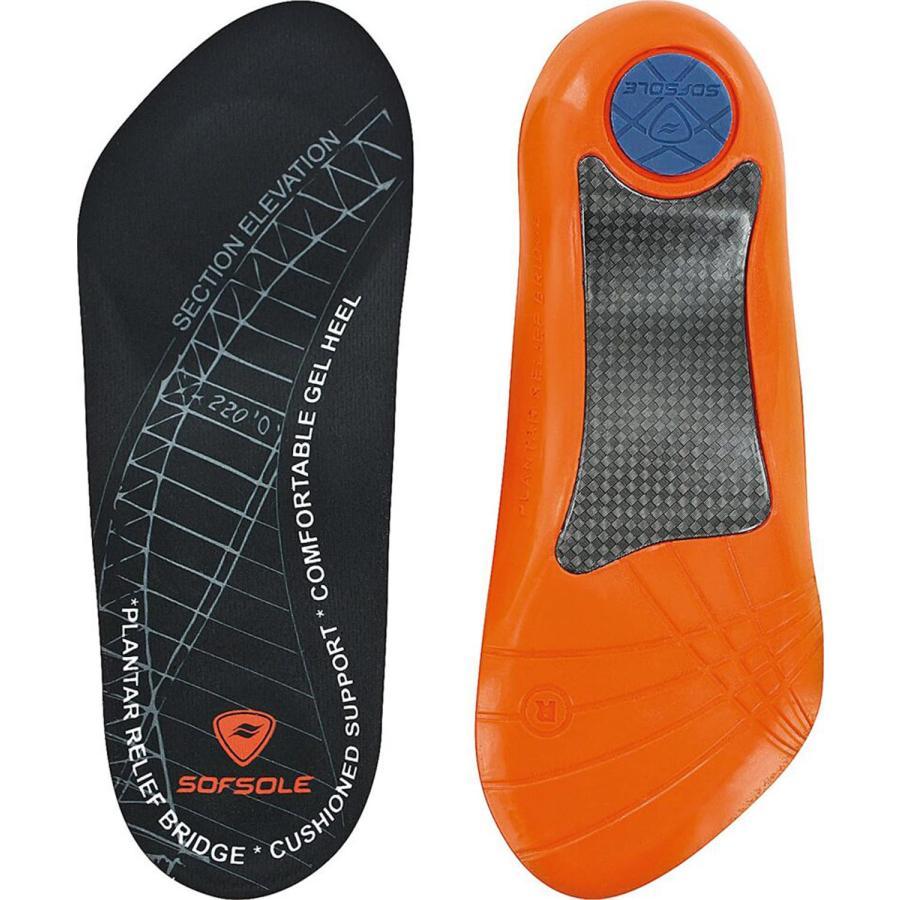
SolEase focuses on supportive footwear and orthotic insoles designed for people with flat feet. The business idea originated when Dube encountered difficulties finding shoes that fitted comfortably and supported his feet appropriately.
Rather than accepting the challenge as an inconvenience, the young entrepreneur began exploring ways to address it. His experience provided a direct understanding of the problem and encouraged him to think about others facing similar difficulties.
This approach reflects an important principle in entrepreneurship: identifying a genuine problem can provide the foundation for developing a meaningful product or service.
According to coverage by Kaya 959, Dube explained that some shoes he liked did not fit his feet properly. That experience encouraged him to turn the difficulty into a business opportunity and investigate possible solutions.
The concept subsequently developed into SolEase, a venture focused on supportive footwear and insoles. The business illustrates how personal experiences can inspire innovations with wider relevance.
International recognition in Davos
Dube’s achievement at the Startup World Cup Championship in Davos represents a significant milestone for South African youth entrepreneurship.
Kaya 959 reported that he became the first South African team to win the competition’s championship title and that the achievement also marked a first for Africa. The recognition placed a young Johannesburg entrepreneur among internationally recognised participants in a global business competition.
The achievement attracted attention because it challenged assumptions about the age at which meaningful entrepreneurial work can begin.
At 12, Dube demonstrated that young people can identify business opportunities, develop product concepts and communicate their ideas in competitive environments.
The accomplishment also provides an encouraging example for South African learners who may have entrepreneurial interests but lack confidence, mentorship or exposure to business opportunities.
The role of business education
Dube’s journey has been supported by MiniBoss Business School Johannesburg, an institution that introduces children and teenagers to entrepreneurship, business development and leadership.
The programme gives learners opportunities to move beyond theoretical discussions and explore how businesses operate in practice. Participants develop ideas, consider potential customers and learn how to present their concepts to others.
According to Kaya 959, MiniBoss Johannesburg director Wendy Silinyana established the school after observing the limited representation of African children in international youth entrepreneurship environments.
The institution seeks to provide young learners with opportunities to develop their abilities and participate in business competitions.
Dube’s experience demonstrates how entrepreneurship education can help young people recognise their potential.
Instead of waiting until adulthood to explore business, learners can begin developing practical skills while still attending school.
Such opportunities may contribute to building a stronger pipeline of future entrepreneurs, innovators and business leaders.
Developing the SolEase product
Transforming the original idea into a product required experimentation and practical involvement.
Dube and his mother reportedly tested different varieties of insoles to determine which designs offered greater comfort. This process helped them explore possible product solutions based on personal experience and practical testing.
The development journey illustrates an important aspect of innovation: ideas often require repeated testing and refinement before they become useful products.
A promising concept is only the beginning. Entrepreneurs must investigate materials, product design, customer needs, manufacturing requirements and commercial viability.
SolEase’s development also highlights the importance of family support in youth entrepreneurship. Parents and guardians can provide guidance, encouragement and practical assistance while helping young innovators navigate business responsibilities.
The venture’s progress demonstrates how collaboration between young entrepreneurs and supportive adults can create opportunities for meaningful business development.
From competition to commercial opportunity
International recognition can provide young businesses with visibility, credibility and opportunities to connect with potential partners.
For SolEase, the championship achievement may help introduce the product to customers and encourage discussions about manufacturing, distribution and investment.
Earlier reporting by Sowetan described the business’s ambitions to increase production and develop its manufacturing capabilities. The report also highlighted interest in the product and the family’s efforts to explore potential investment opportunities.
Commercialisation, however, involves challenges that extend beyond winning competitions.
A business must establish dependable manufacturing processes, maintain product quality, manage costs and understand the needs of its customers.
SolEase will also need to communicate clearly about the intended use of its footwear and insoles. Product development involving foot support requires appropriate testing and responsible claims about comfort, fit and performance.
As the venture develops, careful attention to these considerations could help strengthen consumer confidence and its long-term prospects.
Why youth innovation matters to South Africa
South Africa faces the ongoing challenge of expanding economic opportunities for young people.
Youth entrepreneurship can contribute to addressing this challenge by encouraging individuals to develop businesses, create products and explore new markets.
However, innovation requires more than enthusiasm. Young entrepreneurs need access to education, mentorship, funding, business networks and practical opportunities to test their ideas.
Dube’s achievement illustrates the value of creating environments in which young people can develop these capabilities.
Schools, universities, entrepreneurship programmes and private-sector organisations can help strengthen the country’s innovation ecosystem by supporting learners who demonstrate curiosity and initiative.
The example also challenges the belief that innovation belongs exclusively to adults or highly specialised professionals.
Children and teenagers can contribute valuable ideas when they are encouraged to observe problems, ask questions and explore solutions.
Building a stronger innovation ecosystem
South Africa’s innovation ambitions depend on cooperation between educational institutions, businesses, government agencies, investors and communities.
Youth entrepreneurship programmes can complement formal education by introducing learners to practical business skills.
Mentorship can help young innovators understand financial management, customer engagement, product development and responsible business practices.
Investors and established companies can also contribute by providing guidance, resources and opportunities for promising ventures.
Nevertheless, support systems should recognise that young entrepreneurs require appropriate safeguards. Their education, well-being and development must remain central as businesses grow.
SolEase provides an example of how entrepreneurial ambition can be encouraged while young people continue their schooling.
The venture also highlights the importance of identifying innovation opportunities within local communities rather than assuming that successful ideas must originate elsewhere.
Lessons for aspiring entrepreneurs
Dube’s experience offers several lessons for individuals interested in entrepreneurship.
First, meaningful business opportunities can emerge from everyday problems. Observing challenges experienced by oneself or others can help identify areas where products or services may provide value.
Second, innovation requires experimentation. Developing a product involves testing ideas, learning from mistakes and improving designs.
Third, education and mentorship can strengthen entrepreneurial confidence. Access to supportive learning environments can help young people develop skills and understand how to turn ideas into businesses.
Finally, international recognition is an important milestone, but long-term success depends on building a sustainable enterprise.
For SolEase, the next stages involve continuing product development, strengthening production capabilities and responding to customer needs.
A promising example of African innovation
Lubanzi Dube’s success provides an encouraging example of innovation emerging from Johannesburg and reaching an international audience.
His achievement is significant not simply because of his age, but because it demonstrates how a personal challenge can become the starting point for a business concept with potential social value.
SolEase’s journey also reinforces the importance of investing in young people’s creativity and entrepreneurial development.
As South Africa continues working to strengthen its innovation economy, stories such as Dube’s offer a reminder that future innovators may already be developing their ideas in classrooms, homes and community environments.
The challenge for the country’s innovation ecosystem is to ensure that talented young people receive opportunities to learn, experiment and grow.
From a footwear problem experienced in Johannesburg to recognition in Davos, Dube’s journey illustrates the possibilities that emerge when curiosity meets practical support.
His story offers a powerful message to aspiring entrepreneurs across South Africa and the wider African continent: innovation can begin at any age, and a solution to an everyday problem may become the foundation of an extraordinary business journey.



