




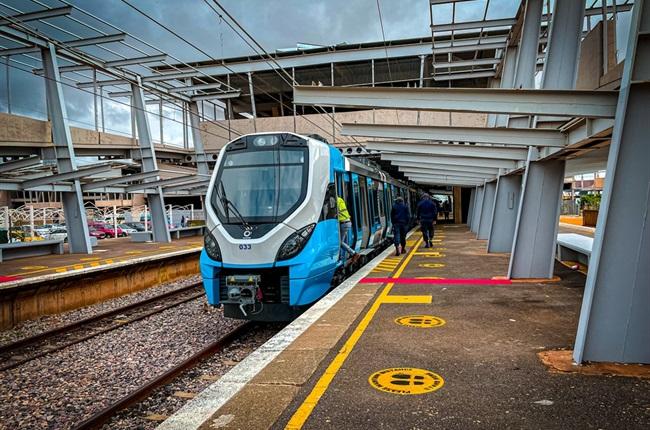
“South Africa is continuing efforts to restore passenger rail services and improve long-distance road transport, with Transport Minister Barbara Creecy highlighting railway infrastructure improvements and the introduction of 17 new City to City buses. The developments are intended to improve commuter experiences, expand travel options and strengthen the transport network, although long-term success will depend on reliable services, effective maintenance, passenger safety and affordability.”
Introduction: A transport system undergoing change
South Africa is pursuing a renewed effort to improve public transport, restore passenger railway services and modernise long-distance bus travel. These priorities have received particular attention during October Transport Month 2026, an annual campaign intended to demonstrate the importance of transport infrastructure to economic development, public safety and everyday mobility.
The recent programme of activities led by Transport Minister Barbara Creecy has highlighted two important developments: improvements to the Passenger Rail Agency of South Africa (PRASA) network and the introduction of 17 new buses for long-distance journeys. The initiatives reflect the government’s broader objective of building a transport system that is safer, more sustainable, reliable and affordable.
For millions of South Africans, public transport is more than a means of travelling between destinations. It determines how much money households have available for essential expenses, whether employees can reach work on time, and whether students can access educational opportunities. Consequently, improvements to trains, stations and buses could have significant social and economic benefits.
However, infrastructure announcements alone cannot resolve every challenge. Passengers ultimately need dependable timetables, safe facilities, affordable fares and services that operate consistently. South Africa’s transport recovery will therefore depend on whether the current improvements translate into measurable benefits for people across the country.
PRASA’s continuing passenger rail recovery
The restoration of passenger rail services remains central to the government’s transport strategy. For years, South Africa’s railway network has faced challenges involving infrastructure deterioration, vandalism, theft, operational disruptions and declining service reliability. These problems reduced the availability of affordable rail travel and forced many commuters to depend on alternative transport.
According to figures highlighted by the Department of Transport during October Transport Month, PRASA has restored 35 of its 40 priority passenger rail lines. Passenger journeys reportedly increased from approximately 10 million in the 2020/21 financial year to an audited 101 million in the 2025/26 financial year. These figures indicate a substantial recovery in rail usage, although passenger numbers alone cannot establish whether every service is reliable or accessible.
The recovery programme involves repairing railway infrastructure, improving signalling systems, upgrading stations and supporting safer train operations. These measures are essential because railway services depend on several interconnected systems functioning together.
For example, trains cannot operate reliably if signalling equipment fails, tracks require urgent repairs or stations are inaccessible. Likewise, infrastructure improvements offer limited benefits if passengers cannot obtain accurate information about delays or feel unsafe travelling to and from stations.
The government’s emphasis on restoring rail services reflects the importance of creating a transport network that can carry large numbers of passengers efficiently. Trains can provide an alternative to congested roads, particularly on corridors connecting residential communities with employment centres.
Nevertheless, continued investment and maintenance will be necessary to protect the progress already achieved. Rail recovery should be evaluated through punctuality, service frequency, safety incidents, passenger satisfaction and the affordability of regular journeys.
Mabopane corridor improvements and passenger affordability
Developments around Pretoria and the Mabopane corridor illustrate how railway improvements can influence daily travel.
During an oversight visit reported on 15 October 2026, Creecy visited the Gauteng rail network and the refurbished Kopanong station in Mabopane. The minister also travelled by train towards Pretoria, highlighting a reported single-ticket fare of R7 for the journey from Kopanong station to Pretoria.
The reported fare demonstrates the potential affordability of passenger rail for commuters travelling between outlying residential areas and major employment centres. However, the R7 fare should not be assumed to apply to every route or passenger journey.
Transport costs are a significant consideration for households that must travel repeatedly for work, education, healthcare and other essential activities. Where reliable rail services are available at affordable prices, commuters may be able to reduce their reliance on more expensive alternatives.
Lower transport expenses can also support local economic participation. Workers may find it easier to accept employment farther from home, while students can access institutions without spending an excessive proportion of their budgets on travel.
However, affordability must be considered alongside service quality. A low fare is less valuable if trains are frequently cancelled, stations are difficult to reach or passengers experience unsafe conditions. For this reason, investment in station facilities, signalling, security and operational management is as important as maintaining competitive ticket prices.
The Mabopane corridor also demonstrates the importance of connecting residential communities with city centres. Effective public transport can reduce pressure on road infrastructure while helping commuters plan their daily schedules with greater confidence.
New City to City buses expand long-distance travel options
Alongside the railway recovery programme, the government has introduced a new fleet of 17 City to City buses intended to improve long-distance passenger services.
The buses are intended to serve routes connecting Gauteng with destinations in Limpopo and the Eastern Cape. Reported features include air conditioning, reclining seats, onboard toilets, Wi-Fi, charging ports and enhanced safety features.
These facilities represent an effort to improve the experience of passengers undertaking longer journeys. Travel comfort matters particularly on routes where passengers may spend several hours on the road.
Air conditioning can make journeys more comfortable during hot weather, while charging ports help passengers keep their devices powered. Wi-Fi may support communication and access to information, although its availability and performance will depend on operational conditions.
Onboard toilets can also improve convenience, particularly for passengers travelling long distances between major towns. Similarly, driver-assistance technology may support safer operations, although its effectiveness depends on appropriate training, vehicle maintenance and responsible driving.
The fleet renewal programme is intended to replace older buses gradually. Nevertheless, introducing new vehicles is only one component of a sustainable long-distance transport service. Operators must also maintain appropriate schedules, employ qualified drivers, manage fuel and maintenance costs and provide clear information about fares and routes.
Passengers will need reliable booking systems, accessible customer support and consistent service standards to benefit fully from the investment.
Why an integrated transport network matters
South Africa’s transport challenges cannot be addressed through railways or buses in isolation. Effective mobility requires different modes of transport to complement one another.
Rail services can carry large passenger volumes along established corridors, while buses provide flexibility for journeys between towns and locations without convenient railway access. Minibus taxis also remain a major part of everyday public transport, especially where passengers need connections between neighbourhoods and railway stations.
An integrated system would make it easier for commuters to move between these services without unnecessary delays, excessive costs or confusing arrangements.
For example, a passenger travelling from a residential community to a workplace in Pretoria might use a minibus taxi to reach a railway station, board a train into the city and walk or take another connection to the final destination. If each stage is dependable, the complete journey becomes more practical.
However, poorly coordinated timetables, inadequate pedestrian facilities and unreliable connections can undermine the benefits of individual transport improvements.
The government has identified integration, sustainability, fairness, safety and affordability as important principles in its wider public transport reform programme. Proposed reforms to transport support also seek to improve the way assistance is provided to bus and minibus taxi operators.
Successful integration would require coordination among national government, provincial authorities, municipalities and transport operators. It would also require consultation with passengers and communities to identify the routes and facilities that need attention most urgently.
Economic implications for businesses and communities
Transport improvements have implications that extend beyond passenger convenience. Efficient transport supports businesses by helping workers reach employment, customers access services and goods move through supply chains.
Reliable commuter rail can reduce pressure on major roads, particularly during peak periods. If more people can depend on trains for daily journeys, road users may experience less congestion on some corridors. The scale of this benefit will depend on how many passengers shift modes and whether services remain dependable.
Long-distance buses can strengthen connections between provinces, supporting visits to family, tourism, education and business travel. Better passenger connections may also benefit accommodation providers, retailers and other businesses that depend on visitors.
For smaller communities, transport availability can influence access to employment and essential services. People who cannot afford private vehicles often depend on public transport to reach hospitals, schools, administrative offices and commercial centres.
However, the economic benefits will not be distributed equally unless transport services reach communities that have historically experienced limited access. Rural areas, smaller towns and lower-income neighbourhoods need appropriate connections rather than improvements concentrated exclusively around major urban centres.
Investment decisions should therefore consider passenger demand, community needs, accessibility and the long-term operating costs of services.
Passenger safety and infrastructure maintenance
Safety remains a fundamental test of South Africa’s transport recovery.
Railway theft and vandalism can damage essential equipment, interrupt services and expose passengers and workers to risks. The government has reported plans to strengthen railway corridor security, including the construction of security walls along sections of the network.
Physical barriers may help restrict unauthorised access, but security also requires monitoring, maintenance, staff training and effective responses to reported incidents. Stations must remain accessible to legitimate passengers, including people with disabilities.
Bus safety requires equally consistent attention. Vehicles need regular inspections, properly maintained braking systems, safe tyres and functioning safety equipment. Drivers must receive appropriate training and comply with driving and rest requirements.
Authorities and operators should also provide passengers with reliable information about delays, disruptions and alternative travel arrangements. Clear communication can help people make informed decisions when services are interrupted.
Long-term maintenance is particularly important because transport infrastructure can deteriorate when repairs are postponed. Preventive maintenance may require sustained expenditure, but it can reduce the risk of expensive failures and prolonged service interruptions.
Challenges that could affect future progress
Despite encouraging signs, important challenges remain.
First, restoring railway infrastructure across an extensive network requires funding, skilled workers, effective procurement and long-term planning. Second, maintaining affordable services while meeting operational costs can create financial pressure for transport operators.
Third, improvements must extend beyond launching new equipment. Passengers need evidence that services operate according to published schedules and that reported problems receive timely attention.
Coordination presents another challenge. Railways, buses and taxis frequently operate under different arrangements, which can make integrated journeys difficult to organise. Better coordination would require practical agreements on routes, schedules, passenger information and appropriate connections.
Finally, the needs of rural communities and passengers with disabilities must remain part of transport planning. An efficient network should provide meaningful access to opportunities rather than simply improve travel along already well-served corridors.
Conclusion: Turning transport investment into dependable services
South Africa’s passenger rail recovery and the introduction of 17 new City to City buses represent important elements of its wider transport improvement programme.
The reported restoration of priority rail lines, growth in passenger journeys and refurbishment of facilities such as Kopanong station provide evidence of progress. Meanwhile, modern long-distance buses offer the prospect of more comfortable journeys between Gauteng, Limpopo and the Eastern Cape.
Nevertheless, the ultimate measure of success will be the everyday experience of passengers. Trains must arrive reliably, buses must operate safely, fares must remain affordable and infrastructure must receive consistent maintenance.
During October Transport Month 2026, the challenge is therefore to demonstrate not only that investment is taking place, but also that it improves people’s ability to travel, work, study and participate in economic life.
If these initiatives are supported by effective management, transparent reporting and sustained investment, they could contribute to a more accessible and efficient national transport network. The task ahead is to turn infrastructure improvements and new vehicles into lasting public benefits for communities throughout South Africa.



