




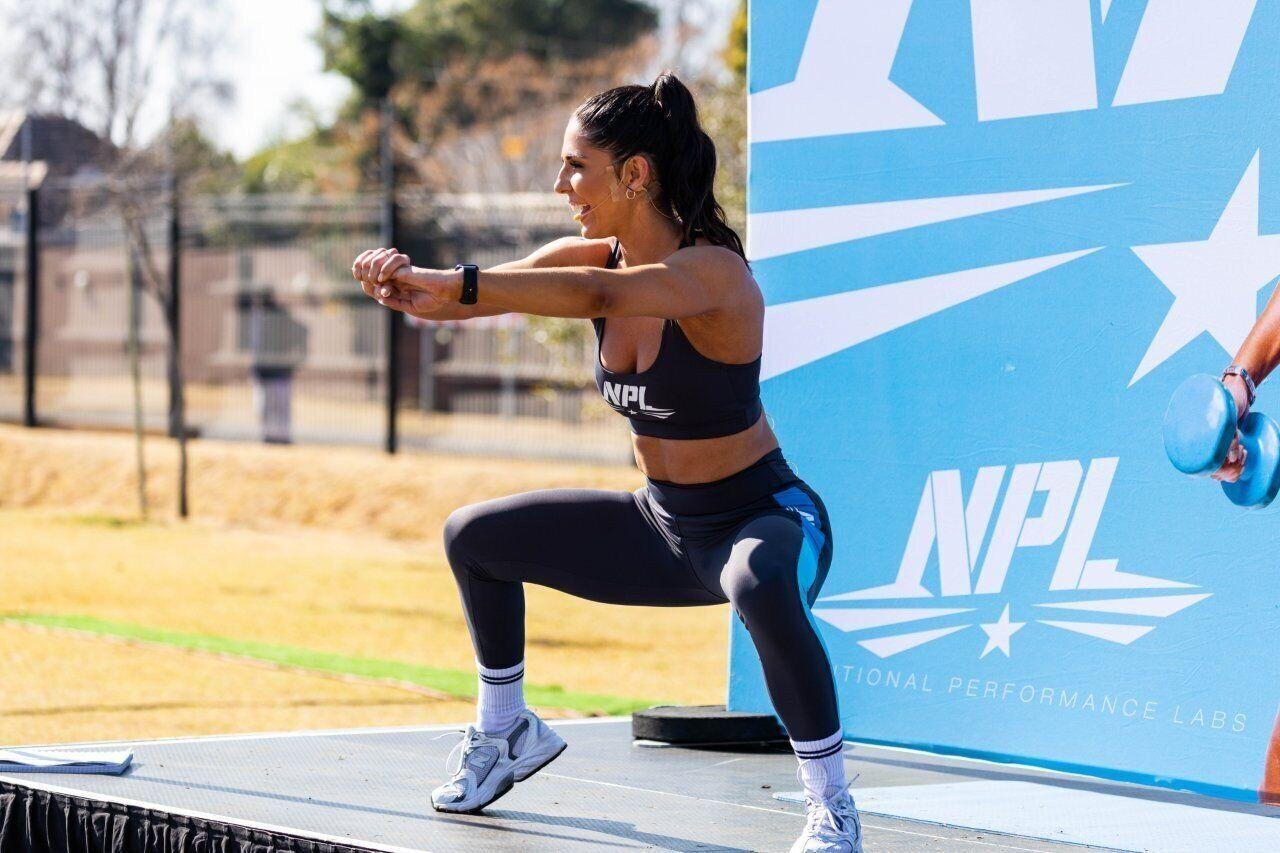
“International fitness entrepreneur Kayla Itsines is bringing her workout and wellness influence to South Africa through fitness activities and events that combine exercise, community engagement and women’s wellbeing. The development highlights growing interest in accessible fitness experiences that encourage people to become physically active while connecting exercise with healthier lifestyles.”
Kayla Itsines Brings Fitness Momentum to Johannesburg as South Africans Embrace Accessible Exercise
International fitness influence meets South African wellness ambitions
South Africa’s fitness and wellness landscape is receiving renewed attention as internationally recognised fitness entrepreneur Kayla Itsines brings her exercise philosophy and community-focused fitness experiences to the country. Her Johannesburg appearance and associated PowerHER Fit Fest activities reflect a growing interest in fitness programmes that combine physical activity, motivation, social interaction and women’s wellbeing.
The development comes at a time when exercise is increasingly recognised as an important component of preventive healthcare. Rather than treating fitness exclusively as a pursuit of athletic performance or physical appearance, wellness initiatives are encouraging people to view regular movement as a practical investment in long-term health.
Itsines, internationally known for her fitness programmes and training initiatives, has built a global following through structured workouts and community participation. Her South African activities provide an opportunity to introduce more people to organised exercise while encouraging existing fitness enthusiasts to reconnect with their health goals.
Coverage by The Citizen and Cape Town ETC has highlighted her South African fitness activities, including the PowerHER Fit Fest initiative. These developments place women’s fitness, motivation and community engagement firmly within the country’s contemporary wellness conversation.
Fitness events are expanding beyond traditional gym environments
One of the most important developments in modern fitness is the movement away from exclusively gym-based exercise.
Traditional fitness facilities remain important, offering equipment, professional instruction and structured training programmes. However, community workouts, outdoor activities, fitness festivals and organised exercise sessions provide additional opportunities for people who may find conventional gym environments intimidating or inaccessible.
Fitness events can create welcoming spaces where participants exercise together, exchange experiences and establish relationships with others pursuing similar health objectives.
For beginners, this social environment may reduce anxiety about exercising in public. Participants can discover that fitness does not necessarily require expensive equipment, advanced athletic ability or previous experience.
Community-focused exercise can also encourage consistency. When people participate alongside friends, relatives or other members of a group, they may develop stronger motivation to maintain their routines.
South Africa’s diverse communities present opportunities for fitness organisers to develop programmes suited to different circumstances, including urban neighbourhoods, townships, rural communities and workplaces.
Nevertheless, the accessibility of fitness programmes depends on their design. Registration costs, transportation, location, language and scheduling can influence whether people are able to participate.
Consequently, the long-term value of fitness initiatives should be measured not only by attendance at major events but also by whether participants continue exercising afterwards.
Why regular physical activity matters for public health
The significance of fitness extends well beyond recreational activities.
Regular physical activity contributes to cardiovascular health, muscular strength, mobility, balance and psychological wellbeing. It can also help people manage weight and reduce the risk of developing several chronic health conditions.
Adults who maintain active lifestyles generally have more opportunities to improve their physical capacity and preserve independence as they age.
However, physical activity should not be understood as an exclusive responsibility for people already experiencing health problems. Exercise can form part of everyday life for individuals across different ages and fitness levels.
Walking, cycling, dancing, swimming, resistance exercises and recreational sports offer different ways of incorporating movement into daily routines.
The World Health Organization recommends that adults undertake between 150 and 300 minutes of moderate-intensity aerobic physical activity each week, or an equivalent amount of vigorous activity. Muscle-strengthening exercises are also recommended on at least two days weekly.
Importantly, people who currently undertake little physical activity can benefit from beginning with manageable amounts of movement.
A short walk, a brief home workout or a gradual increase in daily activity may provide a more sustainable starting point than immediately attempting demanding training sessions.
Women’s wellbeing remains an important part of the fitness conversation
The PowerHER Fit Fest initiative connects exercise with a broader discussion about women’s wellbeing.
Women frequently manage competing responsibilities involving employment, family, education and caregiving. These demands can reduce opportunities for personal exercise and make consistent participation in fitness programmes difficult.
Events that explicitly encourage women to prioritise their wellbeing can provide both practical and social encouragement.
They also create opportunities to discuss the relationship between physical activity, confidence, stress management and personal health.
However, women’s fitness should not be limited to appearance-focused messaging. A comprehensive approach includes strength, cardiovascular endurance, flexibility, mobility, recovery and the ability to participate confidently in everyday activities.
Exercise programmes should also recognise that women have different needs depending on age, pregnancy status, postpartum recovery, medical conditions and previous physical activity experience.
Professional guidance may be appropriate when individuals have specific health concerns or require modifications to exercise.
The broader objective is to make fitness supportive, inclusive and sustainable rather than presenting exercise as a competition over body shape or athletic performance.
South Africa’s fitness industry faces an accessibility challenge
Although fitness events attract attention, maintaining participation remains a significant challenge.
Commercial gyms, specialist studios and professionally organised wellness programmes may involve costs that are difficult for some households to accommodate.
Membership fees, transportation, equipment purchases and additional expenses can discourage people from participating consistently.
This creates an important opportunity for community-based exercise programmes.
Public parks, walking groups, school facilities, community centres and local sports organisations can provide practical alternatives to expensive training environments.
Simple activities such as walking, jogging, skipping, dancing and bodyweight exercises require relatively little equipment.
Community organisations can also support participation by organising supervised sessions, establishing beginner-friendly programmes and encouraging participants to exercise together.
Local government, schools, employers and health organisations have opportunities to strengthen these initiatives through accessible facilities and appropriate safety measures.
The development of sustainable fitness participation requires cooperation between the commercial fitness sector and organisations working directly with communities.
Building sustainable exercise habits beyond fitness festivals
Major fitness events can generate excitement, but lasting health improvements depend on what happens afterwards.
Participants who attend a workout or fitness festival may experience temporary motivation. Maintaining physical activity, however, requires routines that fit comfortably into everyday life.
Health professionals generally encourage people to establish realistic goals and increase activity gradually.
For someone beginning an exercise programme, consistency may be more important than intensity during the early stages.
A practical routine could involve walking several days each week, incorporating strength exercises and gradually increasing the duration or difficulty of activities.
Rest and recovery are also important. Excessive training without sufficient recovery may contribute to fatigue, injuries and reduced motivation.
Individuals should pay attention to their bodies and seek appropriate professional advice when experiencing persistent pain, unusual breathlessness or other concerning symptoms.
Exercise should be adapted to individual circumstances rather than approached through a universal training prescription.
The importance of fitness education and responsible messaging
Fitness personalities and exercise events have considerable influence over public attitudes towards health.
Their platforms can help communicate positive messages about physical activity, healthy routines and personal wellbeing.
Nevertheless, responsible fitness communication should distinguish between general motivation and professional medical advice.
Training recommendations that work for experienced athletes may not be appropriate for beginners or people with underlying health conditions.
Similarly, claims about rapid weight loss, guaranteed transformations or exceptional results should be approached cautiously.
People should be encouraged to evaluate fitness information critically and seek qualified guidance where necessary.
Fitness organisers can strengthen public confidence by promoting realistic expectations, safe exercise practices and inclusive participation.
The strongest programmes are those that make physical activity enjoyable while helping participants understand how to exercise safely and consistently.
An opportunity to strengthen South Africa’s active lifestyle culture
Kayla Itsines’ South African fitness activities illustrate the potential of combining international fitness influence with local participation.
The Johannesburg workout attention and PowerHER Fit Fest coverage provide examples of how exercise can be presented as a social and wellness experience rather than simply an individual pursuit.
For South Africa, the opportunity extends beyond attracting international personalities.
Communities can build on this momentum by developing local walking groups, recreational sports programmes, affordable exercise sessions and opportunities for people of different ages to participate.
Employers can encourage movement during the working day, while schools can help young people develop positive attitudes towards physical activity.
Health organisations can also support fitness education that explains the relationship between exercise, chronic disease prevention and healthy ageing.
These initiatives may be particularly valuable when they accommodate different levels of physical ability and provide welcoming environments for beginners.
Conclusion: Turning fitness inspiration into everyday health practice
The growing visibility of fitness events and wellness initiatives in South Africa highlights an important public-health opportunity.
International fitness personalities can attract attention and encourage participation, but the lasting value of their influence depends on whether individuals develop sustainable exercise habits.
Accessible community programmes, realistic training goals and inclusive fitness environments can help transform temporary enthusiasm into consistent physical activity.
South Africans do not need to wait for major fitness festivals or expensive gym memberships to begin improving their activity levels.
Walking more frequently, strengthening muscles, participating in recreational sports and finding enjoyable ways to move can all contribute to healthier lifestyles.
Ultimately, the most meaningful measure of fitness success is not the size of an event or the popularity of a personality. It is whether more people become physically active, maintain their participation and experience the benefits of movement throughout their lives.



