




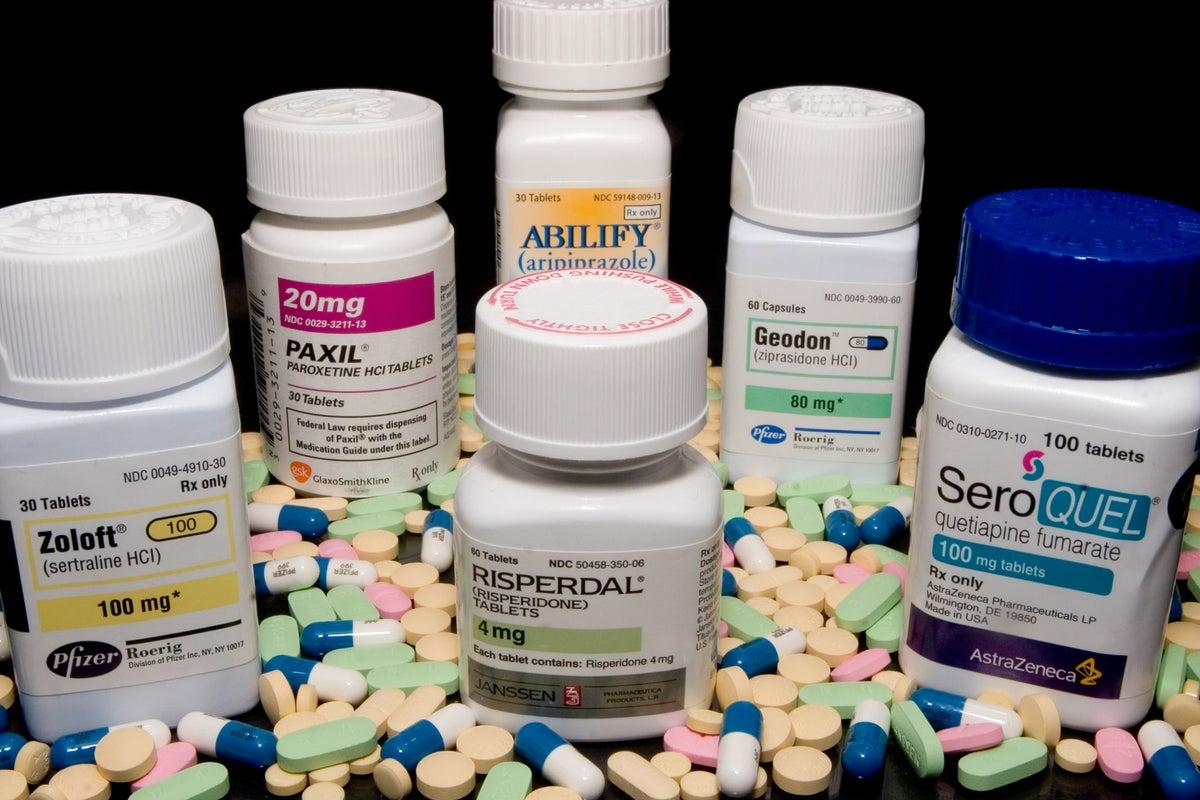
“South African patients living with schizophrenia, bipolar disorder and major depressive disorder face increased risks of relapse as essential psychiatric medicines become increasingly difficult to obtain at public hospitals and clinics. Psychiatric professionals and pharmaceutical experts are calling for urgent intervention, improved medicine supply monitoring and coordinated action to protect patients whose treatment depends on uninterrupted access to medication.”
South Africa’s Psychiatric Medicine Shortages Raise Alarm as Vulnerable Patients Face Relapse Risks
South Africa is facing mounting concerns over the availability of essential psychiatric medicines in public hospitals and clinics, with healthcare professionals warning that vulnerable patients could experience serious relapses if treatment interruptions continue. The shortages, reported across several provinces, have placed renewed attention on the country’s mental healthcare system, pharmaceutical supply chains and the challenges facing people living with severe mental illnesses.
The South African Society of Psychiatrists (Sasop) has expressed concern about shortages affecting medicines used to treat schizophrenia, bipolar disorder and major depressive disorder. Reports have emerged particularly from Gauteng, KwaZulu-Natal, the Western Cape and the Eastern Cape, although the shortages appear to extend beyond these provinces.
According to psychiatric professionals, the situation is particularly concerning because some patients depend on specific medicines that cannot easily be substituted without careful medical supervision.
Psychiatric Medication Shortages Threaten Treatment Continuity
Dr Mvuyiso Talatala, a representative of the South African Society of Psychiatrists, has warned that shortages of psychotropic medicines are placing patients, healthcare facilities and communities under increasing pressure.
Medicines reportedly affected include antipsychotics such as haloperidol, olanzapine, risperidone, quetiapine and amisulpride. Some antidepressants, including fluoxetine and amitriptyline, have also experienced supply difficulties.
These medications are important components of treatment for people experiencing serious mental health conditions. Depending on individual circumstances, patients may require long-term medication to maintain stability, manage symptoms and reduce the likelihood of psychiatric emergencies.
Consequently, interruptions in treatment can have serious consequences.
Patients who are unable to obtain their prescribed medication may experience worsening symptoms, psychological distress or relapse. In severe circumstances, deterioration can result in emergency medical treatment or hospital admission.
Sasop has therefore urged the national health authorities to investigate the shortages and establish an effective response.
Relapses Could Increase Pressure on Psychiatric Hospitals
South Africa’s psychiatric facilities already face significant pressure from limited beds, shortages of specialised healthcare professionals and increasing demand for mental healthcare services.
When patients experience relapses because their medication becomes unavailable, additional pressure is placed on psychiatric hospitals.
According to psychiatric professionals, patients who require admission may spend hours or even days waiting in hospital emergency departments for appropriate psychiatric care.
Emergency departments are not designed to provide prolonged psychiatric inpatient treatment. Furthermore, healthcare workers in these facilities may not have the specialised resources required to manage complex psychiatric conditions over extended periods.
The situation raises concerns about patient dignity, safety and access to appropriate healthcare.
It also affects other patients requiring emergency medical services, as overcrowded facilities must accommodate individuals experiencing psychiatric crises alongside people with other medical emergencies.
The medication shortages therefore represent more than a pharmaceutical supply problem. They threaten the functioning of several interconnected parts of the healthcare system.
Changing Medication Is Not Always a Simple Solution
Healthcare professionals have emphasised that replacing unavailable psychiatric medicines is not necessarily straightforward.
Although alternative medicines may exist, individual patients can respond differently to different treatments.
A medication that successfully controls symptoms for one patient may be less effective for another. Additionally, medicines used to treat similar conditions can have different side effects, dosage requirements and clinical characteristics.
For example, a patient who has achieved stability through a particular antipsychotic may experience difficulties when switched to another medicine.
Changing treatment may require careful monitoring, dosage adjustments and specialist consultation.
Some patients may also have previously tried alternative medications without achieving satisfactory results.
Consequently, healthcare professionals warn against treating medication shortages as problems that can automatically be resolved through substitution.
The importance of continuity of treatment remains particularly significant for people living with chronic psychiatric conditions.
Financial Pressure on Patients and Families
The shortages have also raised concerns about financial inequality in South Africa’s healthcare system.
Patients who cannot obtain prescribed medication from public facilities may sometimes consider purchasing it privately.
However, psychiatric medicines can impose significant financial burdens on households, particularly families already struggling with unemployment, poverty and limited income.
For patients requiring several medicines, purchasing treatment privately may become increasingly difficult.
The situation creates an additional challenge for people who depend entirely on public healthcare services.
Some psychiatrists have reportedly raised concerns about restrictions preventing them from issuing private prescriptions when public-sector medicines are unavailable.
Sasop has highlighted the importance of ensuring that patients are not unnecessarily prevented from accessing alternative supply arrangements where clinically appropriate and legally permitted.
However, privately purchasing medication cannot provide a sustainable solution for patients who lack sufficient financial resources.
Supply Chain Problems Under Investigation
The shortages have prompted questions about procurement systems, manufacturing capacity, distribution arrangements and pharmaceutical regulation.
South African health authorities have attributed medicine supply challenges to several factors, including international shipping disruptions, manufacturing difficulties and regulatory compliance problems affecting certain local pharmaceutical producers.
Geopolitical tensions and disruptions affecting international transport routes have also been cited as contributing factors.
The Department of Health has indicated that it is engaging with suppliers to address shortages and secure additional medication supplies.
Nevertheless, pharmaceutical experts argue that the simultaneous shortage of numerous medicines produced by different manufacturers requires a coordinated investigation.
Professor Renier Coetzee, president of the Pharmaceutical Society of South Africa, has emphasised the importance of reliable supply information and better coordination between healthcare facilities, suppliers and government authorities.
Experts have also highlighted the importance of addressing procurement and payment challenges that could affect suppliers’ ability to deliver medicines.
Improving these systems could help reduce interruptions and strengthen the resilience of the country’s pharmaceutical supply chain.
Western Cape Concerns Ahead of the Festive Season
The Western Cape has also raised concerns about the availability of antidepressants and other chronic medicines ahead of the festive season.
Dr Saadiq Kariem, Chief of Operations at the Western Cape Department of Health, has warned that medicine shortages are affecting several categories of chronic illness treatment.
The department has reported approximately 120 to 130 medicine line items experiencing supply difficulties.
According to Kariem, the challenges affect both public and private healthcare sectors.
The festive season can be particularly difficult for people experiencing depression, loneliness or psychological distress.
Healthcare professionals have therefore emphasised the importance of ensuring patients receive their prescribed medicines during this period.
Patients experiencing depression may require additional emotional support, appropriate clinical monitoring and continued access to treatment.
The combination of medication shortages and increased mental health pressures could create additional challenges for healthcare facilities.
Community Mental Healthcare Remains Essential
The medicine shortage crisis has renewed attention on the importance of community-based mental healthcare.
South African mental health advocates have repeatedly called for stronger support systems outside psychiatric hospitals.
Community recovery programmes can help people living with severe mental illnesses maintain relationships, develop coping strategies and participate in everyday activities.
Peer support programmes also provide opportunities for individuals with lived experience to assist others experiencing similar challenges.
Research conducted in Nelson Mandela Bay has suggested that peer-led recovery groups could contribute to improved outcomes for people living with psychosis.
These programmes can complement medication and professional treatment by addressing social isolation, stigma and practical challenges associated with recovery.
However, community mental healthcare also requires sustainable funding, trained personnel and accessible facilities.
Without these resources, patients may continue experiencing repeated hospital admissions because adequate support is unavailable after discharge.
Addressing Mental Health Stigma
Mental health stigma remains another major obstacle to effective treatment in South Africa.
People living with schizophrenia, bipolar disorder and other psychiatric conditions frequently experience discrimination, misunderstanding and social exclusion.
Such attitudes can discourage individuals from seeking assistance or continuing treatment.
Families may also experience emotional and financial pressure while supporting relatives living with severe mental illnesses.
Mental health advocates have called for greater public awareness, improved education and more inclusive community support.
They argue that psychiatric conditions should be understood as health conditions requiring treatment, compassion and appropriate professional care.
Reducing stigma could encourage earlier intervention and improve the willingness of communities to support people experiencing psychological difficulties.
Calls for Urgent Government Intervention
The South African Society of Psychiatrists has called on Health Minister Aaron Motsoaledi to investigate the shortages and identify practical solutions.
Healthcare professionals have emphasised that the government must prioritise continuity of treatment for patients whose mental health depends on consistent medication access.
Potential interventions include strengthening procurement processes, improving pharmaceutical stock monitoring, coordinating alternative supplies and increasing communication between healthcare facilities.
Experts have also called for more transparent information about medicine availability.
Accurate national and provincial stock data could help authorities identify emerging shortages earlier and direct available medicines towards facilities experiencing the greatest demand.
Such measures would support better planning and reduce the likelihood of patients discovering that essential medication is unavailable only when they arrive for treatment.
Protecting Patients Must Remain the Priority
South Africa’s psychiatric medicine shortages highlight the importance of reliable healthcare systems and sustained investment in mental health services.
For patients living with severe mental illnesses, access to medication can make an important difference in maintaining stability, relationships, independence and quality of life.
The shortages also demonstrate how pharmaceutical supply problems can affect emergency services, hospitals, families and communities.
Addressing the crisis will require cooperation between government departments, healthcare professionals, pharmaceutical manufacturers, suppliers and mental health organisations.
Ultimately, ensuring uninterrupted access to essential psychiatric medicines must remain a public health priority.
Patients should not be forced to choose between abandoning treatment, travelling repeatedly between facilities or purchasing medicines they cannot afford.
South Africa’s response to the crisis will be an important test of its commitment to equitable healthcare and the protection of people living with mental health conditions.
As healthcare authorities work to restore medicine supplies, patients, families and mental health advocates will be watching closely for practical improvements that ensure treatment remains accessible, reliable and safe.



