




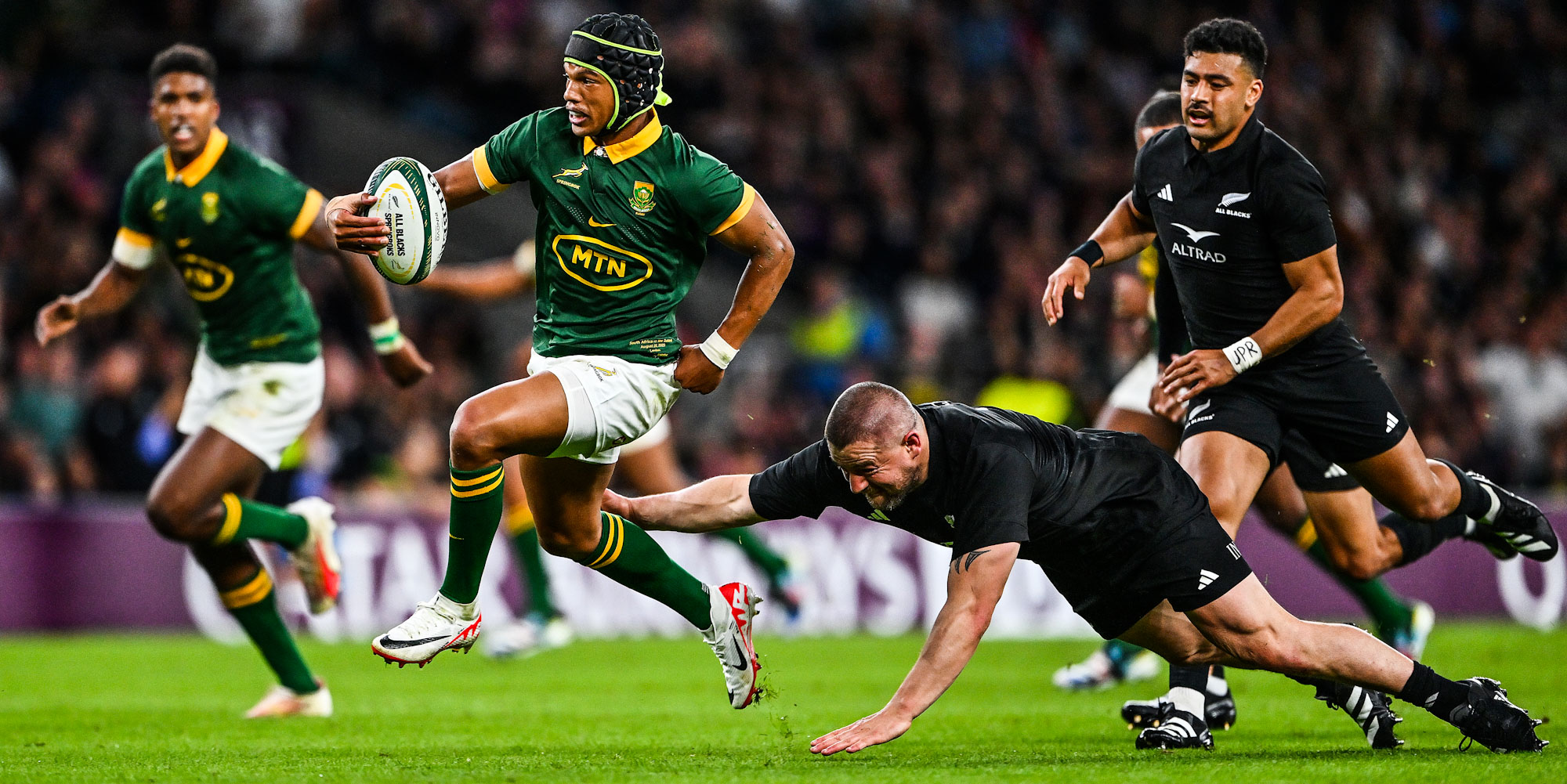
“South Africa’s highly anticipated Rugby’s Greatest Rivalry 2026 Tour faces a legal storm as the government seeks to grant it protected event status under the Merchandise Marks Act. While aimed at safeguarding branding and combating counterfeit merchandise, critics argue the move imposes unnecessary procurement and B-BBEE obligations on what should remain a privately organized sporting event.”
The countdown to the Rugby’s Greatest Rivalry 2026 Tour—a blockbuster series between the Springboks and the All Blacks—has ignited excitement across South Africa. Yet, behind the scenes, a legal and political battle is unfolding that could reshape how major sporting events are managed in the country. At the heart of the dispute lies the Department of Trade, Industry and Competition’s (DTIC) proposal to grant the tour “protected event status,” a designation that carries significant commercial and regulatory implications.
What Protected Event Status Means
Protected event status, under Section 15A of the Merchandise Marks Act of 1941, is designed to safeguard the commercial identity of major events. It prevents unauthorized use of logos, slogans, and trademarks, thereby protecting official sponsors and organizers from counterfeit merchandise and ambush marketing. This status has previously been applied to global spectacles such as the FIFA World Cup and the Olympic Games, ensuring exclusivity for official partners.
For the Rugby’s Greatest Rivalry 2026 Tour, this would mean that only authorized vendors could sell merchandise bearing the Springboks, All Blacks, or tour branding. Organizers would gain stronger legal powers to prosecute counterfeiters and protect the integrity of sponsorship deals.
Government’s Economic Vision
The DTIC argues that beyond protecting commercial rights, the designation should serve broader national goals. The proposal requires the South African Rugby Union (SARU), as the tour’s organizer, to conduct procurement in line with constitutional principles of fairness, transparency, equity, and competitiveness. Importantly, SARU would need to comply with the Preferential Procurement Policy Framework Act and apply B-BBEE codes of good practice when selecting suppliers.
This means that companies bidding for contracts—whether in logistics, catering, or merchandising—would be evaluated not only on pricing and quality but also on their B-BBEE status. The government hopes this will create meaningful opportunities for historically disadvantaged businesses, ensuring that the economic benefits of the tour extend beyond elite sponsors to grassroots enterprises.
Criticism and Opposition
Trade union Solidarity has voiced strong opposition, arguing that the government is overreaching into what should be a privately organized sporting event. Critics contend that imposing B-BBEE obligations risks politicizing rugby and could deter international sponsors who prefer streamlined procurement processes. They warn that excessive regulation might slow down preparations and inflate costs, potentially undermining the tour’s success.
Solidarity further argues that rugby, while a national passion, should not be burdened with obligations that belong to broader economic policy debates. For them, the tour should remain focused on sport, not social engineering.
Impact on SARU and Organizers
For SARU, the proposal presents both opportunities and challenges. On one hand, protected status would strengthen their ability to combat counterfeit merchandise—a persistent problem that erodes revenue and damages brand integrity. On the other hand, compliance with procurement regulations could complicate operations, requiring additional oversight and reporting.
Organizers would also need to submit an impact assessment to the Minister of Trade, Industry and Competition within six to twelve months after the tour concludes. This report would outline both economic and social benefits, including how local businesses and disadvantaged suppliers participated. Such accountability could set a precedent for future sporting events in South Africa.
Broader Context: Rugby and National Identity
Rugby in South Africa is more than just a sport—it is a cultural touchstone that reflects the nation’s history and aspirations. The Springboks’ clashes with the All Blacks are legendary, symbolizing not only athletic excellence but also national pride. The government’s involvement in regulating the tour underscores how deeply intertwined rugby is with South Africa’s socio-economic landscape.
The debate highlights a growing trend: major sporting events are increasingly viewed as vehicles for economic transformation. While this aligns with South Africa’s broader policy goals, it raises questions about the balance between sport and politics.
Fan and Market Reactions
Fans are divided. Many welcome efforts to crack down on counterfeit merchandise, which often leaves supporters with poor-quality products. Others worry that government intervention could dampen the spirit of the tour, turning a celebration of rugby into a bureaucratic exercise.
Market analysts note that sponsors may hesitate if procurement processes become too complex. However, they also acknowledge that aligning the tour with national development goals could enhance its legitimacy and broaden its appeal.
Conclusion
The Rugby’s Greatest Rivalry 2026 Tour promises unforgettable clashes between the Springboks and the All Blacks. Yet, its legacy may be defined as much by legal and political battles as by on-field heroics. Whether the DTIC’s proposal strengthens the tour’s integrity or burdens it with unnecessary regulation remains to be seen. What is clear is that rugby in South Africa continues to be a powerful arena where sport, commerce, and national identity collide.



