




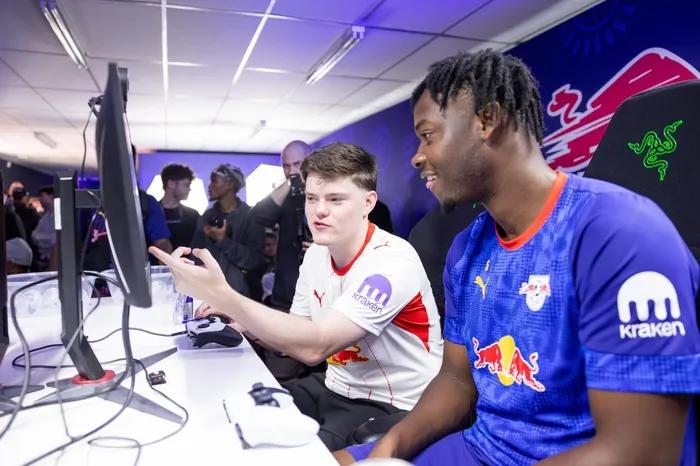
“South Africa’s competitive gaming community is preparing for the Red Bull Wings Cup National Final on 1 November 2026 at Loftus Versfeld Stadium in Pretoria, where 16 EA SPORTS FC 27 players will compete for the national championship and an opportunity to represent the country internationally. The competition is bringing together online competitors, university gamers and wildcard qualifiers, demonstrating the growing popularity of organised esports in South Africa.”
South African Esports Takes Centre Stage as Red Bull Wings Cup Heads Towards National Final at Loftus Versfeld
Introduction: A major moment for South African competitive gaming
South Africa’s esports industry is approaching an important competitive milestone as the Red Bull Wings Cup prepares to host its National Final at Loftus Versfeld Stadium in Pretoria on Sunday, 1 November 2026. The tournament, centred on EA SPORTS FC 27, has brought together players from different competitive backgrounds, providing a pathway for talented gamers to progress from online and university competitions towards international esports opportunities.
The competition represents an important development for South African gaming because it demonstrates how organised esports can connect amateur players, university communities, established competitors and international gaming platforms. Furthermore, hosting the national championship at a recognised sporting venue gives competitive gaming an opportunity to reach audiences beyond traditional gaming communities.
According to the tournament organisers, 16 players will participate in the national championship, with the winner earning the opportunity to progress towards the Red Bull Wings Cup World Final, expected to take place in Miami in January 2027.
A national competition connecting different gaming communities
One of the most significant features of the Red Bull Wings Cup is its qualification structure. Instead of relying on a single tournament or one competitive community, the organisers have established different pathways through which players can demonstrate their abilities.
The competition includes an Open League, which provides an online route through PlayStation Tournaments and FACEIT, as well as a University League that creates opportunities for students to compete through campus-based activities.
This structure is particularly important because esports participation often depends on access to suitable equipment, reliable internet connectivity, competitive platforms and organised events. By establishing different entry routes, the tournament creates additional opportunities for players who might otherwise struggle to access professional gaming environments.
The final qualification structure includes eight players from the University League leaderboard, six players from the Open League closed qualifiers, one Comic Con Africa wildcard qualifier and one Makro wildcard qualifier.
Consequently, the national final will bring together competitors who have progressed through different stages of the tournament, creating a diverse field of players with different competitive experiences.
Loftus Versfeld prepares to host competitive gaming
Loftus Versfeld Stadium is widely associated with South African sporting history, particularly football and rugby. Its selection as the venue for the Red Bull Wings Cup National Final provides an interesting connection between traditional sporting environments and modern digital competition.
The tournament is scheduled to take place at the stadium’s Broadhall Suite. According to the official competition information, the event will feature a 16-player single-elimination bracket.
The scheduled programme begins with doors opening and player briefings at 15:00, followed by player warm-ups at 15:15. The tournament draw is scheduled for 15:45, with the round of 16 beginning at 16:00.
Quarterfinals are scheduled for 16:40, followed by the semifinals at 18:00. The third-place match is scheduled for 18:40, while the championship final is scheduled for 19:15.
These arrangements give the competition a structured event format, allowing players and spectators to follow the progression from the opening knockout matches through to the championship encounter.
Understanding the tournament format
The Red Bull Wings Cup National Final will use a single-elimination structure. This means that competitors must win their knockout matches to remain in contention for the championship.
An important feature of the competition is its two-game aggregate format. Players compete in home-and-away matches, with the combined score determining which competitor advances to the next round.
This format places additional emphasis on consistency, tactical preparation and the ability to adapt during multiple encounters. A player who performs well in the first match must still maintain concentration in the return encounter.
In competitive EA SPORTS FC gaming, players need more than an understanding of football formations. They must also demonstrate effective passing, defensive organisation, attacking movement, game management and decision-making under pressure.
The aggregate format therefore creates an opportunity to distinguish competitors who can maintain their performance across two matches rather than relying on one exceptional performance.
Where aggregate scores are tied, the tournament rules provide for a tiebreaking procedure.
Kennedy Kapembwa’s Comic Con Africa breakthrough
An important earlier development in the competition was the Comic Con Africa activation, where Kennedy Kapembwa emerged as the winner after competing against 255 other participants.
His performance secured an opportunity to advance towards the national championship, making him one of the competitors to watch as the tournament reaches its final stage.
The Comic Con Africa competition also demonstrated the potential of gaming activations to introduce esports to wider audiences. Events of this nature allow spectators to experience competitive gaming in person, interact with players and gain a better understanding of the skills involved.
Kapembwa’s achievement is particularly significant because it illustrates how players can use public gaming events as opportunities to demonstrate their abilities and progress towards larger competitions.
His qualification also highlights the importance of wildcard opportunities in creating alternative routes into national esports championships.
The international opportunity: A potential journey to Miami
Beyond the national championship, the Red Bull Wings Cup offers an international opportunity for the South African winner.
The tournament forms part of a wider international competition involving players from almost 80 countries. The national champions are expected to progress towards the World Final in Miami in January 2027.
This international dimension gives the South African competition additional importance. Winning the national title would provide the successful player with an opportunity to compete against representatives from other participating countries.
The global final is also expected to introduce physical football challenges alongside digital gaming. This approach creates an interesting connection between traditional sporting abilities and the strategic skills required in esports.
For South African competitors, international participation could provide valuable exposure to different playing styles, competitive environments and gaming communities.
It could also help raise the profile of South African esports internationally by demonstrating the country’s ability to produce competitive players capable of representing its gaming community on a larger stage.
Why university esports matters
The University League is another important component of the tournament because it connects esports with higher education.
University students increasingly participate in organised gaming competitions, creating communities around popular competitive titles. These activities can encourage teamwork, communication, strategic thinking and responsible participation in digital environments.
The eight University League representatives in the national final demonstrate the importance of providing students with competitive opportunities beyond informal gaming sessions.
University esports can also help institutions build stronger relationships with students who have an interest in gaming, technology, digital entertainment and creative industries.
Moreover, organised competitions can introduce young people to possible career pathways, including professional gaming, coaching, tournament organisation, broadcasting, commentary, content creation and esports management.
However, developing these opportunities requires more than hosting competitions. Institutions and organisers must continue investing in accessible facilities, reliable technology, training opportunities and sustainable partnerships.
The Red Bull Wings Cup provides an example of how university participation can become part of a wider national competitive structure.
Sponsorship and the commercial development of esports
Commercial partnerships are increasingly important to the development of competitive gaming. The Red Bull Wings Cup demonstrates how brands, gaming publishers and tournament platforms can work together to create organised competitive opportunities.
Red Bull’s involvement, alongside EA SPORTS and PlayStation’s gaming ecosystem, connects the tournament to established international gaming audiences.
These partnerships can support tournament promotion, player participation, event production and opportunities for wider audience engagement.
For South African esports, commercial investment is particularly important because professional gaming requires infrastructure, equipment, internet connectivity, competition management and consistent opportunities for players to compete.
Furthermore, sponsorship can help tournament organisers introduce new formats, reach different communities and improve the overall spectator experience.
However, the long-term success of esports will depend on building sustainable structures rather than relying exclusively on individual promotional events. Developing local talent, supporting emerging players and creating opportunities for different communities should remain important priorities.
The challenges facing South African esports
Despite its growing popularity, South African esports still faces several challenges.
Access to suitable gaming equipment remains an important consideration. Competitive players require capable computers or consoles, appropriate displays, controllers and reliable internet connections.
Internet affordability and connectivity can also influence participation, particularly for players living in communities where digital infrastructure remains limited.
Another challenge is the development of consistent competitive opportunities. Although major tournaments attract attention, emerging players need regular competitions that allow them to improve their abilities and gain experience.
There is also an opportunity to increase participation among women and other underrepresented groups. Accessible training programmes, community competitions and inclusive gaming initiatives could help broaden the country’s competitive talent pool.
South Africa has already seen community-focused initiatives designed to make esports more accessible. The development of these programmes alongside national tournaments could help establish a stronger foundation for future generations of competitors.
What the National Final means for the future
The Red Bull Wings Cup National Final represents more than an opportunity to crown an EA SPORTS FC 27 champion.
It provides a platform for demonstrating the competitive potential of South African gamers and the opportunities that can emerge when different gaming communities participate in an organised national competition.
The combination of online qualifiers, university participation, wildcard opportunities and an international progression pathway offers an example of how esports competitions can create structured opportunities for emerging talent.
The event also demonstrates how traditional sporting venues can accommodate modern forms of competition, bringing together audiences who may have different interests but share an appreciation for competitive entertainment.
As the South African gaming industry continues developing, organisers, educational institutions, sponsors and gaming communities will have important roles in maintaining this momentum.
The future of the industry will depend on whether today’s competitions can translate into lasting opportunities for players, businesses and aspiring esports professionals.
Conclusion: South Africa’s gaming talent prepares for a national showdown
With the Red Bull Wings Cup National Final scheduled for 1 November 2026, South African esports is approaching an important weekend of competitive gaming.
Sixteen players will compete at Loftus Versfeld for the national championship, with the successful competitor earning an opportunity to progress towards the international competition in Miami.
The tournament’s different qualification pathways demonstrate how online gaming, university participation and public gaming events can work together to create opportunities for competitive players.
Ultimately, the significance of the competition extends beyond the final result. It highlights the potential of esports to develop talent, strengthen gaming communities, create commercial opportunities and introduce South African competitors to international audiences.
As attention turns towards Pretoria, the Red Bull Wings Cup offers an important opportunity to showcase the country’s growing competitive gaming community and its ambitions on the global esports stage.



