




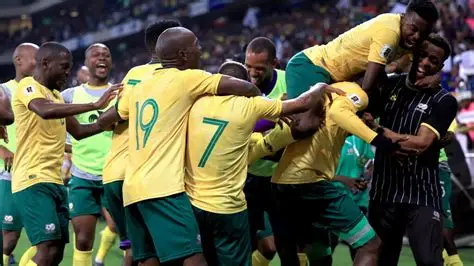
“South African giants Mamelodi Sundowns and Kaizer Chiefs have announced significant squad and staff changes, signaling a new phase in their domestic campaigns. At the same time, FIFA President Gianni Infantino faces a deepening leadership crisis after UEFA declared a loss of confidence in his governance.”
South African football is entering a pivotal moment as two of its most storied clubs, Mamelodi Sundowns and Kaizer Chiefs, finalize crucial squad and backroom adjustments ahead of the new season. These domestic developments unfold against the backdrop of a global football governance crisis, with FIFA President Gianni Infantino under severe pressure following the collapse of a controversial investment proposal. The dual narrative—local restructuring and international turmoil—underscores the interconnected nature of modern football.
Mamelodi Sundowns: Strategic Scouting Overhaul
The reigning Premier Soccer League champions, Sundowns, have appointed Pedro Dias as their new Head of Scouting. This move reflects the club’s ambition to strengthen its recruitment pipeline, ensuring a balance between marquee signings and emerging talent. Dias, known for his analytical approach, is expected to modernize Sundowns’ scouting operations by integrating data-driven methodologies with traditional talent-spotting.
Sundowns’ dominance in recent years has been built on a combination of financial muscle and tactical innovation. However, critics argue that the club’s reliance on high-profile acquisitions risks overshadowing its academy system. Dias’ appointment could signal a recalibration, with greater emphasis on sustainable talent development.
Kaizer Chiefs: Player Departures and Squad Adjustments
Meanwhile, Kaizer Chiefs confirmed the departure of winger Glody Lilepo, who has joined Libyan side Al Ahly Benghazi. Lilepo’s exit is part of a broader restructuring under new head coach Fernando Da Cruz, who is determined to reshape the squad to fit his tactical vision. Chiefs’ management has hinted at further signings before the transfer window closes, underscoring the urgency to restore the club’s competitive edge.
Chiefs’ supporters remain divided: some welcome the changes as overdue, while others fear instability. The Soweto giants have endured a turbulent period, marked by inconsistent performances and managerial turnover. Da Cruz’s challenge lies in balancing immediate results with long-term squad cohesion.
FIFA’s Global Leadership Crisis
While South African clubs recalibrate, the international football community is grappling with a governance storm. FIFA President Gianni Infantino faces mounting opposition after scrapping a controversial private investment proposal for major competitions. The plan, criticized for lacking transparency, triggered backlash from member associations and UEFA.
UEFA’s declaration of loss of confidence in Infantino has intensified calls for leadership change. Potential successors include Victor Montagliani (CONCACAF President) and Sheikh Salman bin Ebrahim Al Khalifa (AFC President). Former Arsenal manager Arsène Wenger, now FIFA’s Chief of Global Football Development, endorsed the withdrawal of the investment plan, framing it as a necessary step toward transparency.
Implications for South African Football
The leadership crisis at FIFA has direct implications for South African football. Governance instability at the global level could affect funding, tournament structures, and youth development programs. For clubs like Sundowns and Chiefs, navigating these uncertainties requires strategic foresight.
South African Football Association (SAFA) officials are closely monitoring developments, aware that FIFA’s decisions influence continental competitions and grassroots initiatives. The crisis also raises questions about Africa’s representation in global football governance, with calls for stronger continental voices in decision-making.
Fan Reactions and Media Coverage
Local media outlets have framed the dual developments—club reshuffles and FIFA turmoil—as emblematic of football’s volatility. Fans on social platforms express mixed emotions: optimism about Sundowns’ scouting overhaul, skepticism about Chiefs’ squad changes, and frustration with FIFA’s governance failures.
The narrative resonates beyond football, touching on broader themes of accountability, transparency, and institutional trust. In South Africa, where football is deeply intertwined with national identity, these issues carry significant weight.
Conclusion
The convergence of domestic restructuring and global governance crisis highlights the dynamic landscape of football in 2026. Mamelodi Sundowns and Kaizer Chiefs are recalibrating their squads to remain competitive, while FIFA faces existential questions about leadership and transparency. For South African football, the challenge lies in leveraging local reforms while navigating international instability.
As the new season approaches, one thing is clear: football’s future—both in South Africa and globally—will be shaped not only by goals scored on the pitch but also by decisions made in boardrooms.



