




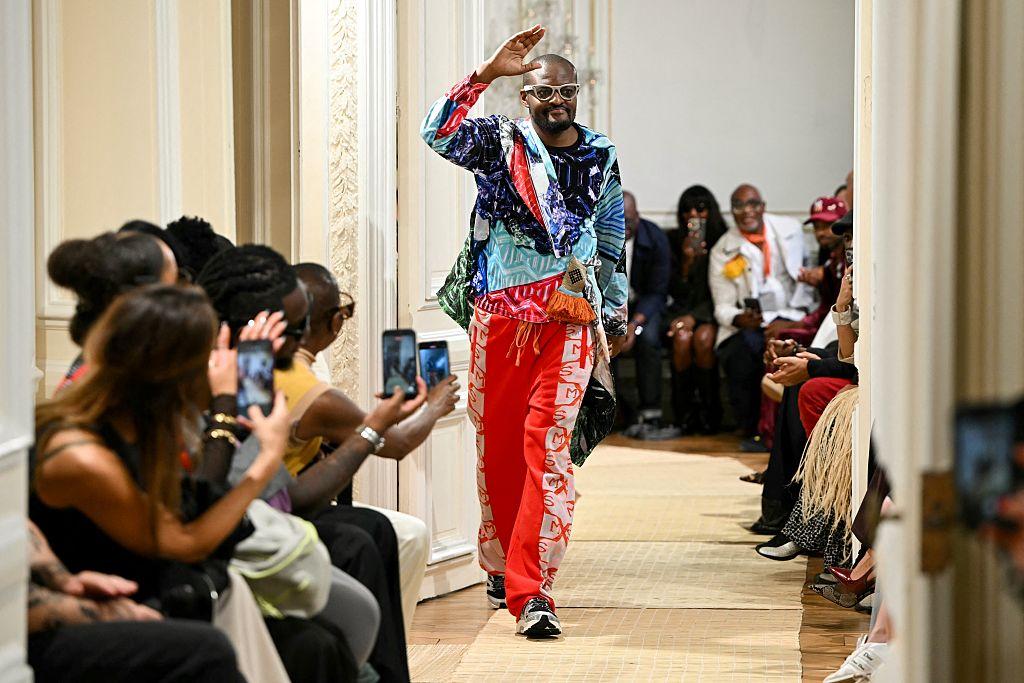
“MaXhosa Africa’s first runway show on the official Paris Fashion Week calendar has highlighted the growing international visibility of South African fashion, with designer Laduma Ngxokolo combining cultural heritage, innovative textiles and contemporary luxury. The milestone reflects broader trends towards African-inspired design, distinctive craftsmanship, versatile silhouettes and greater recognition of African designers in the international fashion industry.”
South African fashion trends enter a new era of global recognition
South African fashion is gaining greater international visibility as local designers demonstrate that cultural identity, innovative craftsmanship and commercial ambition can work together to create distinctive luxury products. One of the most significant recent developments is MaXhosa Africa’s first runway show on the official Paris Fashion Week calendar, a milestone that places South African creative talent within a highly influential international fashion environment.
Founded by designer Laduma Ngxokolo, MaXhosa Africa has built its identity around knitwear, geometric patterns, bold colour combinations and visual references associated with Xhosa cultural traditions. The label has developed a recognisable design language that connects heritage with contemporary clothing, challenging the assumption that African fashion must follow established European luxury conventions to compete internationally.
The Paris appearance is important because fashion weeks influence conversations among retailers, buyers, journalists, stylists and consumers. Although a runway appearance does not automatically guarantee commercial success, it can increase awareness, create new business opportunities and introduce a designer’s work to audiences who might otherwise never encounter the brand.
For South African fashion, this development illustrates an important trend: local designers are increasingly seeking international recognition while maintaining creative independence and a strong connection to their origins.
Cultural heritage becomes a contemporary luxury statement
One of the clearest trends emerging from MaXhosa Africa’s success is the transformation of cultural heritage into contemporary luxury fashion. Rather than treating tradition as something that belongs exclusively to museums or ceremonial occasions, designers are translating cultural references into garments suitable for modern wardrobes.
MaXhosa Africa’s signature visual language includes geometric patterns, carefully developed knitwear, striking colours and references to Xhosa cultural expression. These elements make the label identifiable while creating opportunities to explore how traditional aesthetics can evolve through new materials, construction techniques and silhouettes.
The significance of this approach extends beyond appearance. Cultural references can give fashion products a meaningful identity, allowing customers to connect with the stories, communities and creative philosophies behind the garments.
For South African consumers, this trend offers an opportunity to support brands that reflect local experiences and histories. For international shoppers, it introduces alternative perspectives on luxury, design and craftsmanship.
However, successful cultural fashion requires sensitivity and research. Designers must understand the traditions informing their work, avoid reducing complex cultures to decorative patterns and ensure that cultural inspiration is handled with respect.
When this balance is achieved, heritage can become a source of innovation rather than a limitation. MaXhosa Africa’s international journey demonstrates how a distinctive creative identity can provide a foundation for global expansion.
African craftsmanship attracts international attention
A second major trend is the increasing emphasis on craftsmanship and production quality. Consumers are exposed to a large volume of clothing through digital platforms, fast-fashion retailers and international shopping websites. Consequently, brands need to offer compelling reasons for customers to choose their products.
Distinctive textiles, precise construction, carefully considered patterns and thoughtful finishing can help establish that value.
MaXhosa Africa has highlighted its production capabilities as part of its broader business identity. Reporting on the brand’s Paris presentation noted that approximately 90% of its products were produced in-house, illustrating its emphasis on developing manufacturing expertise alongside design.
This focus has implications for the wider South African fashion industry. Manufacturing knowledge can support better quality control, greater consistency and more opportunities to develop specialised products. It can also help designers retain creative control as their businesses grow.
Nevertheless, scaling production remains challenging. Fashion businesses must manage material costs, skilled labour, reliable equipment, distribution and changing customer demand. A brand that receives international attention must also ensure that increased orders do not compromise the quality that helped establish its reputation.
For emerging South African labels, the lesson is that craftsmanship should be treated as a commercial asset as well as a creative principle. A recognisable design may attract attention, but reliable quality and delivery are essential for building lasting customer relationships.
Modern silhouettes and versatile styling shape the trend
Another development is the movement towards more contemporary silhouettes that preserve a designer’s identity while making garments relevant to a wider range of occasions.
The recent MaXhosa collection was described as having a cleaner aesthetic, with a strong monochrome direction and an emphasis on silhouette, textiles, construction and artistry.
This approach illustrates how fashion houses can evolve without abandoning their signature characteristics. Patterns and heritage references remain important, but the overall presentation can become more restrained, allowing texture, proportion and garment construction to take centre stage.
For consumers, versatile silhouettes can make distinctive designer clothing easier to incorporate into everyday wardrobes. A carefully constructed jacket, knitwear piece or coordinated outfit may be styled for professional occasions, social events or more relaxed settings, depending on its design.
The broader international fashion conversation also reflects interest in adaptable clothing, fluid silhouettes, lighter materials and creative approaches to traditional wardrobe staples.
South African designers can respond to these developments by creating collections that combine local identity with practical considerations. Climate, comfort, durability and ease of styling are particularly relevant in a diverse market where consumers need clothing for different environments and budgets.
The opportunity is not to copy international trends indiscriminately. Instead, designers can interpret global influences through South African materials, cultural references and everyday experiences.
African luxury moves beyond traditional fashion centres
The growing visibility of South African designers also reflects a broader reconsideration of where luxury fashion originates.
For decades, international fashion coverage has concentrated heavily on established European fashion houses and their creative directors. These institutions continue to influence the industry, but designers from Africa and other regions are expanding the range of perspectives represented on international runways.
MaXhosa Africa’s official Paris Fashion Week appearance is significant in this context because it creates a platform for a South African brand to present its work alongside internationally recognised labels. The event also builds on the brand’s earlier Paris presentations and its continuing international development.
This visibility may encourage international retailers and fashion professionals to investigate additional African brands, including businesses working in leather goods, accessories, tailoring, footwear, jewellery and contemporary ready-to-wear.
South Africa already has a diverse creative landscape, encompassing established designers, independent labels, traditional craftspeople and emerging entrepreneurs. Greater international attention could create opportunities for collaboration across these groups.
However, visibility alone is insufficient. Designers need access to finance, manufacturing facilities, export expertise, reliable logistics, suitable retail partners and intellectual-property protection.
Without these foundations, international interest may remain temporary rather than translating into sustainable business growth.
Industry organisations, investors, retailers and public-sector partners can contribute by supporting skills development, showcasing emerging designers and improving access to commercial opportunities.
South African Fashion Week strengthens the local industry
International runways are only one part of the fashion ecosystem. Domestic platforms remain essential because they provide opportunities for designers to introduce collections, connect with buyers and develop relationships with the local creative community.
South African Fashion Week has announced its Autumn/Winter 2027 programme for 21–25 October 2026 at The Forum, Hyde Park Corner, Johannesburg. The announced line-up includes established designers and emerging talent across areas such as couture, tailoring, menswear, streetwear, heritage and contemporary African design.
The programme illustrates how the local fashion calendar can support several different creative directions rather than concentrating on a single aesthetic.
Heritage-focused collections can coexist with experimental streetwear, sophisticated tailoring, handmade garments and collaborations connecting fashion with art or sport. This variety gives consumers more ways to engage with local designers while helping businesses distinguish themselves in a competitive market.
Fashion events can also stimulate activity beyond the runway. Photographers, models, makeup artists, stylists, event organisers, manufacturers and digital content creators contribute to the industry surrounding a collection.
For young designers, these networks may be as important as the public presentation itself. Connections made through an event can lead to mentorship, production partnerships, freelance work or future retail opportunities.
The challenge is ensuring that these platforms offer tangible benefits beyond publicity. Designers need access to customers, transparent participation arrangements and opportunities to convert attention into revenue.
Digital platforms change how fashion trends spread
Digital media is another force shaping South African fashion trends. Social networks, online publications, short-form video and creator partnerships allow designers to reach audiences without depending entirely on traditional fashion magazines or physical retail stores.
A runway presentation can now generate photographs, interviews, styling videos and behind-the-scenes content that circulates long after the event ends. For a brand with a distinctive visual identity, these formats can introduce its products to potential customers across different countries.
Digital communication also gives designers more control over their narratives. They can explain the cultural references behind a collection, introduce the artisans involved in production and show how garments can be styled in everyday life.
For South African labels, this creates an opportunity to build international audiences while maintaining a strong domestic customer base.
Nevertheless, digital visibility does not automatically translate into sales. Brands need clear product information, accessible purchasing options, reliable customer service and delivery arrangements that match their target markets.
They must also protect their designs from unauthorised copying and ensure that online storytelling accurately represents their products.
A balanced strategy combines compelling visual content with commercial infrastructure. Social media can attract attention, but customers also need a trustworthy way to discover, evaluate and purchase clothing.
Sustainability and responsible production remain important
As South African fashion develops, sustainability presents another opportunity for differentiation. Consumers and industry professionals are increasingly discussing garment longevity, material choices, waste reduction and the environmental consequences of clothing production.
For independent designers, creating durable pieces with distinctive identities may encourage customers to retain and repeatedly wear garments rather than treating them as disposable purchases.
Craftsmanship can support this approach when it results in well-constructed products designed for extended use. However, sustainability should not be assumed simply because a garment is handmade, expensive or inspired by tradition. Brands need evidence to support specific environmental claims.
Practical measures can include reducing unnecessary production, improving material utilisation, repairing garments, reusing suitable textile offcuts and communicating honestly about sourcing.
South African designers may also benefit from exploring partnerships with local textile producers and skilled craftspeople where these arrangements are commercially viable and responsibly managed.
The main challenge is balancing environmental objectives with affordability. Responsible materials and specialised production can increase costs, potentially putting certain products beyond the reach of ordinary consumers.
Businesses therefore need realistic approaches that reflect their scale, resources and customer expectations.
Commercial opportunities and challenges for emerging designers
The international attention surrounding MaXhosa Africa highlights the potential rewards of building a strong fashion identity. However, emerging designers should recognise that the journey from creative concept to sustainable business requires more than a successful collection.
Product development, pricing, production planning, marketing, customer service and cash-flow management all influence whether a fashion business can survive.
Designers must understand their target customers and decide which products provide the strongest commercial opportunities. A label might begin with knitwear, accessories or a limited ready-to-wear collection before expanding into additional categories.
International growth also requires careful consideration of shipping costs, import duties, retailer margins, currency fluctuations and consumer expectations in different markets.
Collaborations can provide access to new audiences, but they must be aligned with the designer’s identity and business objectives. Expanding too quickly can create operational pressure, particularly for small teams with limited production capacity.
Support from established retailers, experienced manufacturers, investors and industry mentors can help emerging labels navigate these challenges.
Importantly, success should not be measured only by international runway appearances. Consistent sales, repeat customers, responsible employment and the ability to sustain creative production are equally meaningful indicators of progress.
What South African consumers can expect next
The latest developments suggest that South African fashion will continue to draw on a mixture of cultural identity, contemporary design, craftsmanship and international influences.
Consumers can expect designers to experiment with how heritage patterns, traditional techniques and distinctive textiles appear in modern wardrobes. At the same time, practical considerations such as comfort, versatility, garment quality and value will remain important purchasing factors.
Local fashion platforms may also help broaden the range of available styles by introducing new designers and encouraging collaboration between different creative disciplines.
For shoppers, supporting South African brands can provide access to products with distinctive stories and design perspectives. Nevertheless, consumers should evaluate each garment on its individual merits, including quality, fit, price and suitability for their needs.
For designers, the opportunity lies in creating products that feel authentic without becoming predictable. Cultural identity can provide inspiration, but continued innovation is necessary to keep collections relevant.
Conclusion: A defining moment for South African fashion
MaXhosa Africa’s Paris Fashion Week breakthrough provides a compelling example of how South African designers can bring local cultural identity into an international luxury conversation.
The development highlights several important fashion trends: the modern interpretation of heritage, the value of craftsmanship, evolving silhouettes, digital visibility and the potential for African brands to expand into new markets.
South African Fashion Week’s forthcoming programme further demonstrates the importance of domestic platforms in nurturing established labels and emerging talent.
Yet the long-term success of the industry will depend on more than international attention. Designers need sustainable business models, reliable production capabilities, access to customers and the freedom to develop distinctive creative identities.
Ultimately, South African fashion’s strongest advantage may be its ability to combine locally rooted perspectives with contemporary innovation. If designers can maintain that balance while building commercially resilient businesses, the country’s fashion industry will be better positioned to compete internationally, create employment and inspire the next generation of African creative entrepreneurs.
The message for October 2026 is clear: South African fashion is not simply following global trends. Its designers are increasingly contributing their own ideas, craftsmanship and cultural perspectives to the wider fashion conversation.



