




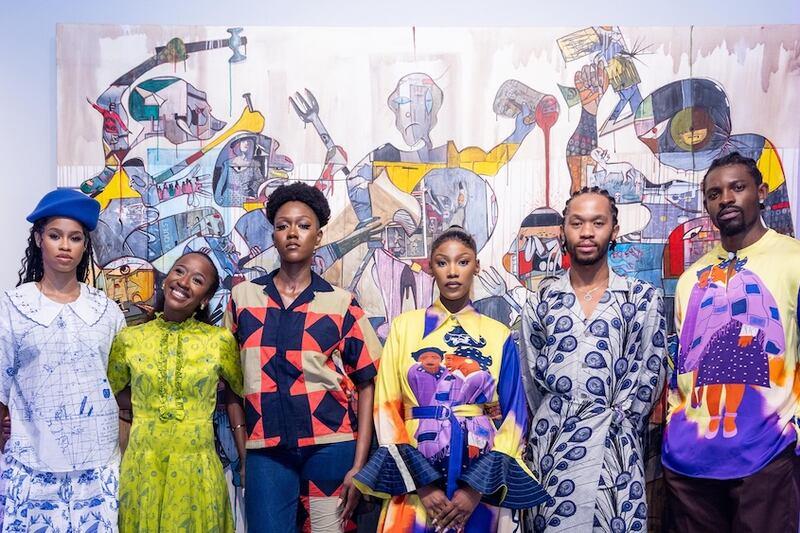
“Design Week South Africa 2026 runs from 8 to 11 October across Johannesburg, bringing designers, artists, architects, makers and creative businesses together through exhibitions, workshops, studio visits, talks and product launches. Its programme highlights the relationship between South African identity, contemporary design and commercial opportunity, with fashion and independent creative practices forming part of the wider celebration.”
Design Week South Africa 2026 Highlights Fashion Design, Local Craftsmanship and Creative Enterprise
JOHANNESBURG, South Africa — 11 October 2026
Johannesburg’s creative industries take centre stage
South Africa’s fashion and design industries are receiving fresh attention as Design Week South Africa 2026 concludes in Johannesburg on Sunday, 11 October. The programme, presented by Pinterest, has brought together designers, artists, architects, independent makers, brands and creative businesses for four days of exhibitions, workshops, discussions, studio visits and product launches.
Running from Thursday, 8 October, through Sunday, 11 October, the event has positioned design as an essential part of everyday life rather than an activity limited to fashion runways, galleries or specialist studios. Its programme explores how creativity influences clothing, architecture, furniture, crafts, food, music and the broader cultural identity of contemporary South Africa.
According to the published programme, this year’s theme, The Shape of Us, examines the different forms South African creativity can take and the histories, experiences and perspectives that influence creative expression. The event’s multidisciplinary approach offers an opportunity to consider how fashion designers can draw inspiration from local communities while developing commercially relevant products.
The programme was reported by CEC on 6 October 2026. Although the event concludes today, that publication date should be distinguished from the date of this article.
Fashion design connects heritage with contemporary expression
Fashion design occupies an important position within South Africa’s wider creative economy. Designers work with fabric, colour, silhouette, texture and construction to create clothing that communicates individual style and cultural identity. Their work can also reflect social change, technological developments and shifting consumer expectations.
South Africa’s fashion landscape brings together traditional craftsmanship and contemporary design approaches. Designers may incorporate locally inspired patterns, handwoven textiles, beadwork, embroidery and traditional garment-making techniques into modern collections. Others explore minimalism, experimental tailoring, streetwear, sustainable materials and innovative textile applications.
Design Week’s multidisciplinary format provides an environment in which these approaches can be considered alongside architecture, art and product design. Connections between disciplines can encourage designers to explore new materials, develop collaborative projects and find different ways to communicate their creative ideas.
The event’s emphasis on the people and histories shaping South African creativity is particularly relevant to fashion businesses seeking to establish distinctive identities. A designer’s understanding of local influences can help create collections that feel authentic rather than simply reproducing international trends.
However, cultural inspiration also requires responsibility. Designers should understand the histories behind the visual references they use, recognise the communities contributing to their work and seek appropriate collaboration when incorporating culturally significant techniques or symbols.
Independent designers gain opportunities for visibility
Independent designers frequently face challenges that extend beyond producing attractive garments. They must also establish their brands, find customers, manage production costs, develop reliable supply chains and compete for attention in a crowded market.
Creative programmes such as Design Week can help address some of these challenges by bringing designers into contact with potential customers, collaborators, retailers and other industry participants.
The Johannesburg programme includes product launches, open studios and creative presentations. Among the independent practices and projects highlighted in the published report are Bumba Souled ceramics, BCKRDS, Pattern Lab, ballo and Studiooo. Although not all these practices are fashion labels, their inclusion illustrates the broader network of creative businesses within which fashion designers operate.
For emerging fashion professionals, visibility can be an important first step towards commercial growth. Meeting buyers and collaborators can lead to future opportunities, while presenting work in person allows designers to explain their creative processes and the thinking behind their collections.
Nevertheless, participation in a creative event does not automatically guarantee sales or long-term success. Designers still need clear pricing, dependable production, effective communication and a realistic understanding of their target markets.
The most useful outcome may therefore be the relationships and knowledge that participants develop, rather than the immediate attention generated by a single presentation.
Craftsmanship remains important to South African design
Craftsmanship is a defining consideration across many areas of fashion. The quality of a garment depends not only on its appearance but also on pattern development, cutting, stitching, finishing, fabric selection and durability.
These practical skills determine whether a creative concept can become a well-made product that customers are willing to purchase and wear repeatedly.
South Africa has an opportunity to strengthen the relationship between creative design and local manufacturing. Supporting skilled garment workers, textile specialists, pattern makers and small production businesses can help establish stronger connections between the people who develop collections and those who manufacture them.
For smaller fashion labels, working with local production partners may also provide greater opportunities to monitor quality and refine designs during development. However, local production can involve significant costs, and businesses must balance workmanship, production volumes, delivery schedules and retail prices.
Design education and professional mentorship are therefore important. Students and emerging designers need opportunities to develop both their creative abilities and their understanding of the commercial processes involved in running a fashion business.
The broader design programme offers a useful context for these discussions because it brings creative practitioners together across disciplines. Shared experiences can encourage participants to exchange knowledge about materials, production techniques, marketing and business development.
Johannesburg provides a platform for creative collaboration
Johannesburg’s diverse creative communities make the city a significant setting for a multidisciplinary design programme. Its studios, shops, galleries, cultural institutions and independent businesses provide spaces where designers can present work and engage with audiences.
Design Week South Africa 2026 has spread its activities across several districts, including Braamfontein and the central business district, Rosebank and surrounding areas, The Parks, and Kramerville and the northern suburbs.
This city-wide approach encourages visitors to encounter design in different environments. Rather than attending a single exhibition, participants can move between studios, workshops, talks and installations, gaining insight into the people and processes behind creative work.
For fashion designers, these encounters can provide inspiration beyond conventional runway presentations. An architectural exhibition may prompt new ideas about structure and proportion, while a ceramics workshop may encourage experimentation with texture, surface treatment or colour.
Such cross-disciplinary exchanges can be especially valuable for independent designers who may not have access to large research teams or extensive development budgets.
The approach also creates opportunities for local creative districts to attract visitors and strengthen their identities as places where design, culture and commerce intersect. Its long-term impact, however, depends on whether the relationships established during the programme continue after the event.
Digital discovery meets physical creative experiences
Pinterest’s involvement in the 2026 programme connects digital inspiration with in-person experiences. The published schedule includes a Pinterest Predicts activation titled An Invitation to Travel: An Olfactory Adventure, developed with Gozdava 1590 and focused on fragrance, scent materials and sensory exploration.
Although this particular activation is not exclusively about fashion, it demonstrates how contemporary design increasingly draws on multiple senses and forms of creative storytelling.
Fashion brands similarly use digital platforms to communicate their identities, introduce collections and reach potential customers. Images, short videos, behind-the-scenes content and designer interviews can help audiences understand how garments are conceived and produced.
For emerging South African labels, digital visibility may provide access to customers beyond their immediate geographical markets. However, effective online marketing requires more than posting attractive images. Brands must communicate product information clearly, maintain consistent visual identities, provide reliable customer service and make purchasing straightforward.
Physical events remain valuable because they allow visitors to experience materials, craftsmanship and garment construction directly. Digital channels can extend that experience by helping audiences discover designers before an event and continue engaging with them afterwards.
Combining these approaches can help creative businesses build stronger relationships with customers.
Sustainability requires practical action
Sustainability remains an important consideration for fashion designers, particularly as the industry faces questions about waste, material sourcing, product longevity and manufacturing practices.
A sustainable approach may involve selecting durable materials, improving cutting efficiency, repairing garments, reusing textiles, producing smaller quantities or designing collections intended to remain wearable beyond a single season.
Local production and traditional craftsmanship can contribute to these objectives, but neither automatically guarantees sustainability. Businesses must consider material origins, energy use, transport, working conditions and the lifespan of finished products.
Independent designers can experiment with smaller production runs and direct customer relationships, potentially reducing the need to manufacture large quantities before demand is established. Nevertheless, limited production may increase unit costs and make it harder to compete with mass-market clothing.
Creative events can help bring these challenges into industry discussions. They also provide opportunities for designers, educators and manufacturers to share practical knowledge about responsible sourcing, material innovation and business models that support long-term viability.
For South African fashion businesses, the challenge is to integrate these considerations into everyday decisions rather than treating sustainability as a marketing slogan.
Building commercially sustainable fashion businesses
Creative recognition is valuable, but the long-term strength of South African fashion depends on whether designers can establish financially sustainable businesses.
Designers must understand their customers, calculate production costs, establish suitable price points and develop distribution strategies. They also need to protect their intellectual property, maintain production standards and respond to changes in consumer demand.
Collaboration between designers, manufacturers, retailers, educators and creative organisations can help strengthen the industry. Mentorship and practical training may be particularly useful for emerging professionals who have strong creative abilities but limited experience in business management.
Events such as Design Week can contribute by creating opportunities for networking and exposure. However, lasting progress also requires continued investment in skills, access to finance, manufacturing infrastructure and reliable routes to market.
South African designers must additionally consider how to present local creativity to international audiences without losing the distinctive qualities that make their work recognisable.
International expansion can introduce new customers, but it may also require adaptation to different sizing expectations, shipping requirements, retail structures and price sensitivities. Designers must weigh these opportunities against their production capacity and existing commitments.
What the event means for the future of fashion design
As Design Week South Africa 2026 concludes, its wider significance lies in the relationships it encourages between creative disciplines and commercial activity.
Fashion does not develop in isolation. It is influenced by architecture, visual art, technology, music, cultural history and changing patterns of everyday life. Programmes that bring these fields together can help designers question established approaches and identify new possibilities.
For Johannesburg’s independent creative businesses, the event offers a platform for visibility and exchange. For students and emerging professionals, it provides examples of how creative ideas can be developed, presented and connected with audiences.
Its theme, The Shape of Us, also invites a broader reflection on how South African identity is represented through design. The country’s fashion industry can draw strength from its cultural diversity, skilled practitioners and capacity for experimentation while continuing to address the practical challenges of manufacturing and business development.
The programme’s conclusion does not, by itself, establish measurable changes in sales, employment or investment. Those outcomes would require further reporting and evidence. Nevertheless, the event highlights the importance of creating spaces where designers can meet, exchange knowledge and present their work.
Ultimately, the future of South African fashion design will depend on more than creative inspiration. It will require craftsmanship, education, responsible production, commercial discipline and sustained opportunities for emerging talent.
By connecting these elements, the country’s fashion and wider design industries can work towards a more visible, resilient and internationally competitive creative economy.



