




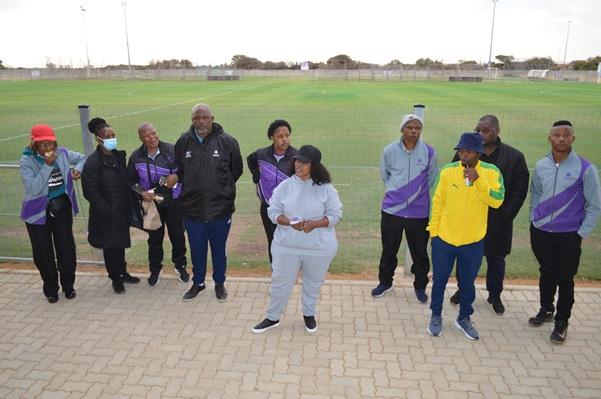
“Cape Peninsula University of Technology has highlighted the importance of men’s physical, mental and emotional wellbeing through its Men’s Wellness Day, organised under the theme “Nurture Your Health. Own Your Journey.” The initiative encouraged male employees to seek health information, participate in recreational activities, access screenings and employee support services, while challenging the belief that men must silently endure emotional distress or health difficulties.”
Introduction: A renewed focus on men’s wellbeing
The Cape Peninsula University of Technology (CPUT) has renewed attention on men’s health and wellbeing through its Men’s Wellness Day initiative, encouraging male employees to prioritise their physical, mental and emotional health. The programme reflects growing recognition that wellness requires more than the absence of illness, but also involves emotional resilience, healthy relationships, regular physical activity and access to appropriate healthcare services.
Published on 11 November 2026, the university’s report highlights an initiative designed to encourage men to take responsibility for their wellbeing while creating supportive environments where seeking help is viewed as a positive and responsible decision.
Organised through CPUT’s Human Capital: Lifestyle and Wellness Office, the event offered employees opportunities to participate in sporting activities, access wellness information, receive health screenings and connect with support services. The initiative also challenged traditional perceptions of masculinity that can discourage men from acknowledging emotional difficulties or seeking assistance.
The event’s theme, “Nurture Your Health. Own Your Journey,” emphasised that wellbeing is an ongoing process involving personal responsibility, awareness and practical action.
Building a culture of wellness among men
Men’s health has increasingly become an important component of workplace wellness programmes, particularly because cultural expectations can influence how men respond to physical illness, emotional distress and psychological difficulties.
In many communities, men are expected to demonstrate strength, provide financial support and manage family responsibilities without expressing vulnerability. Although these expectations can encourage responsibility and resilience, they may also discourage individuals from discussing anxiety, depression, stress or other health concerns.
CPUT’s Men’s Wellness Day sought to challenge this perception by promoting a more balanced understanding of masculinity.
According to the university’s Deputy Vice-Chancellor for Operations, Professor Sibusiso Chalufu, men should recognise that being strong does not require suffering in silence.
His message encouraged male employees to understand that personal wellbeing is not incompatible with leadership, responsibility or providing for others.
Instead, taking care of one’s health can strengthen an individual’s ability to contribute positively to family life, professional responsibilities and community development.
The programme also acknowledged that wellness is personal and continuous. Individuals experience different physical, emotional and social challenges, meaning that healthy lifestyles and support systems must accommodate diverse needs.
Physical activity as a foundation for healthier living
Physical activity was one of the central components of the CPUT wellness programme.
Employees participated in sporting activities, including soccer, rugby and cricket, providing opportunities for movement, recreation and social interaction.
These activities can contribute to improved physical fitness, cardiovascular health, muscular strength and general wellbeing when undertaken regularly and appropriately.
Furthermore, recreational sport can create opportunities for individuals to connect with colleagues outside their usual workplace responsibilities.
This social dimension is particularly valuable because supportive relationships can contribute to emotional resilience and reduce feelings of isolation.
Physical activity does not necessarily require expensive equipment, professional sporting facilities or demanding exercise routines.
Walking, cycling, dancing, recreational games and other accessible activities can also support healthier lifestyles.
For employees who spend extended periods sitting at desks, incorporating regular movement into the working day can help reduce sedentary behaviour.
Nevertheless, physical activity should be appropriate to individual abilities and health conditions. Employees with existing medical concerns may benefit from professional guidance before beginning strenuous exercise.
The CPUT initiative demonstrated how workplace wellness programmes can combine recreational activities with broader health education.
Mental wellness and the importance of asking for help
One of the most important messages emerging from the event was the need to recognise mental health as an essential component of overall wellness.
Mental health challenges can affect individuals across different occupations, income groups, educational backgrounds and age categories.
Work-related pressure, financial difficulties, family responsibilities, relationship problems and personal experiences can contribute to emotional distress.
However, individuals may hesitate to discuss these difficulties because they fear being judged, misunderstood or perceived as weak.
CPUT’s message directly challenged this attitude.
Professor Chalufu encouraged men to recognise that pain and emotional difficulties are human experiences rather than personal failures.
The university also reminded employees about the availability of its Employee Assistance Programme, providing an avenue through which staff members can access support.
Employee assistance services can help individuals navigate personal challenges, emotional distress and other circumstances affecting their wellbeing.
Importantly, seeking assistance early may help individuals address difficulties before they become more complicated.
Mental wellness should therefore be approached through supportive relationships, accessible services, awareness and appropriate professional care.
The initiative also reinforces the importance of creating workplaces where employees can discuss their concerns without fear of discrimination or embarrassment.
Workplace wellness and healthier organisations
Workplace wellness programmes are increasingly recognised as important elements of organisational health.
Employees who experience excessive stress, poor physical health or unresolved emotional difficulties may struggle with concentration, motivation and productivity.
Consequently, wellness initiatives can benefit both employees and organisations.
At CPUT, the programme combined recreational activities, wellness information and opportunities to access health services.
This approach demonstrates how employers can integrate wellbeing into everyday workplace culture rather than treating health promotion as an occasional activity.
A supportive workplace can encourage employees to take breaks, participate in physical activity, access health screenings and seek assistance when necessary.
Moreover, workplace programmes can improve awareness of preventable health conditions and encourage employees to take practical steps towards healthier living.
However, wellness programmes should not replace professional medical treatment or appropriate organisational responses to workplace stress.
Employers must also consider workloads, working conditions, psychological safety and the availability of support services.
A comprehensive approach recognises that employee wellbeing depends on both individual behaviour and the environment in which people work.
Health screenings and preventive healthcare
Another important element of CPUT’s Men’s Wellness Day was access to health and wellness stalls hosted by service providers.
Employees could obtain health information, screenings and resources intended to support informed healthcare decisions.
Preventive healthcare is important because some chronic conditions can develop gradually without immediately noticeable symptoms.
Routine health assessments can help individuals identify potential concerns and seek appropriate medical attention.
Depending on individual circumstances, preventive healthcare may include assessments of blood pressure, blood glucose, cholesterol, weight-related health risks and other relevant indicators.
Men should also remain attentive to changes in their physical health, including persistent pain, unusual fatigue, changes in sleep patterns and symptoms requiring medical evaluation.
Screening recommendations vary according to age, personal medical history, family history and other risk factors.
Therefore, individuals should consult qualified healthcare professionals about appropriate screening schedules and follow-up care.
The availability of wellness information at workplace events can help employees become more familiar with preventive healthcare and understand where to obtain assistance.
Social connection and recreational activities
The programme also included chess, dominoes, table tennis and free haircuts, broadening participation beyond traditional sporting activities.
These options allowed employees with different interests and physical abilities to participate in the event.
Social activities can contribute to workplace belonging and provide opportunities for colleagues to interact in relaxed environments.
Such interaction may strengthen professional relationships and create informal support networks.
Furthermore, recreational activities can provide opportunities to reduce stress and take breaks from demanding work schedules.
Wellness initiatives are often more effective when they recognise that individuals have different preferences.
Some employees may enjoy competitive sports, while others may prefer quiet games, social activities or health information sessions.
Offering different activities can therefore make workplace wellness programmes more inclusive.
Addressing barriers to men’s healthcare
CPUT’s initiative also raises broader questions about how South African workplaces and communities can encourage men to engage more actively with healthcare.
Barriers may include stigma, financial pressures, limited healthcare access, time constraints and misconceptions about illness.
Some men may delay medical consultations until symptoms become severe, potentially increasing the complexity of treatment.
Others may struggle to access appropriate mental healthcare because of limited resources or uncertainty about available services.
Addressing these barriers requires sustained awareness, accessible services and supportive environments.
Workplace wellness programmes can contribute by providing information, encouraging preventive healthcare and making support services easier to access.
However, employers, healthcare providers, families and communities all have roles in promoting healthier attitudes towards men’s wellbeing.
Public health communication should emphasise that seeking assistance is a responsible action that can protect individuals and their families.
Practical lessons for healthier lifestyles
The CPUT Men’s Wellness Day offers several practical lessons for men seeking to improve their wellbeing.
First, physical activity should become part of everyday life. Individuals can begin with manageable activities and gradually build routines appropriate to their abilities.
Second, mental health deserves the same attention as physical health. Discussing concerns with trusted individuals or qualified professionals can provide valuable support.
Third, preventive healthcare should not be neglected. Regular medical consultations and appropriate screenings can help identify health risks early.
Fourth, social relationships matter. Maintaining connections with family, friends and colleagues can strengthen emotional wellbeing.
Fifth, individuals should make time for rest and recovery. Adequate sleep, manageable workloads and healthy routines can support physical and psychological functioning.
Finally, men should become familiar with available healthcare and employee support services rather than waiting until they experience serious difficulties.
These measures do not eliminate every health risk, but they can contribute to healthier and more sustainable lifestyles.
Conclusion: Making men’s wellness a lasting priority
CPUT’s Men’s Wellness Day represents an important contribution to workplace health promotion in South Africa.
Through physical activities, recreational opportunities, health information and access to support services, the initiative encouraged male employees to recognise the importance of their overall wellbeing.
Its central message is particularly significant: strength should not be defined by the ability to endure difficulties silently, but also by the willingness to recognise personal needs and seek appropriate assistance.
As South Africa continues to address healthcare challenges, workplace wellness programmes can complement broader public health efforts by encouraging preventive healthcare, mental health awareness and healthier lifestyles.
Ultimately, men’s wellbeing requires sustained commitment from individuals, employers, healthcare professionals and communities.
CPUT’s initiative provides a practical example of how organisations can create opportunities for men to take meaningful steps towards better health while strengthening a culture of care, inclusion and personal responsibility.
The message is clear: nurturing physical, mental and emotional health is not a weakness. It is an essential investment in healthier individuals, stronger workplaces and more resilient communities.



