




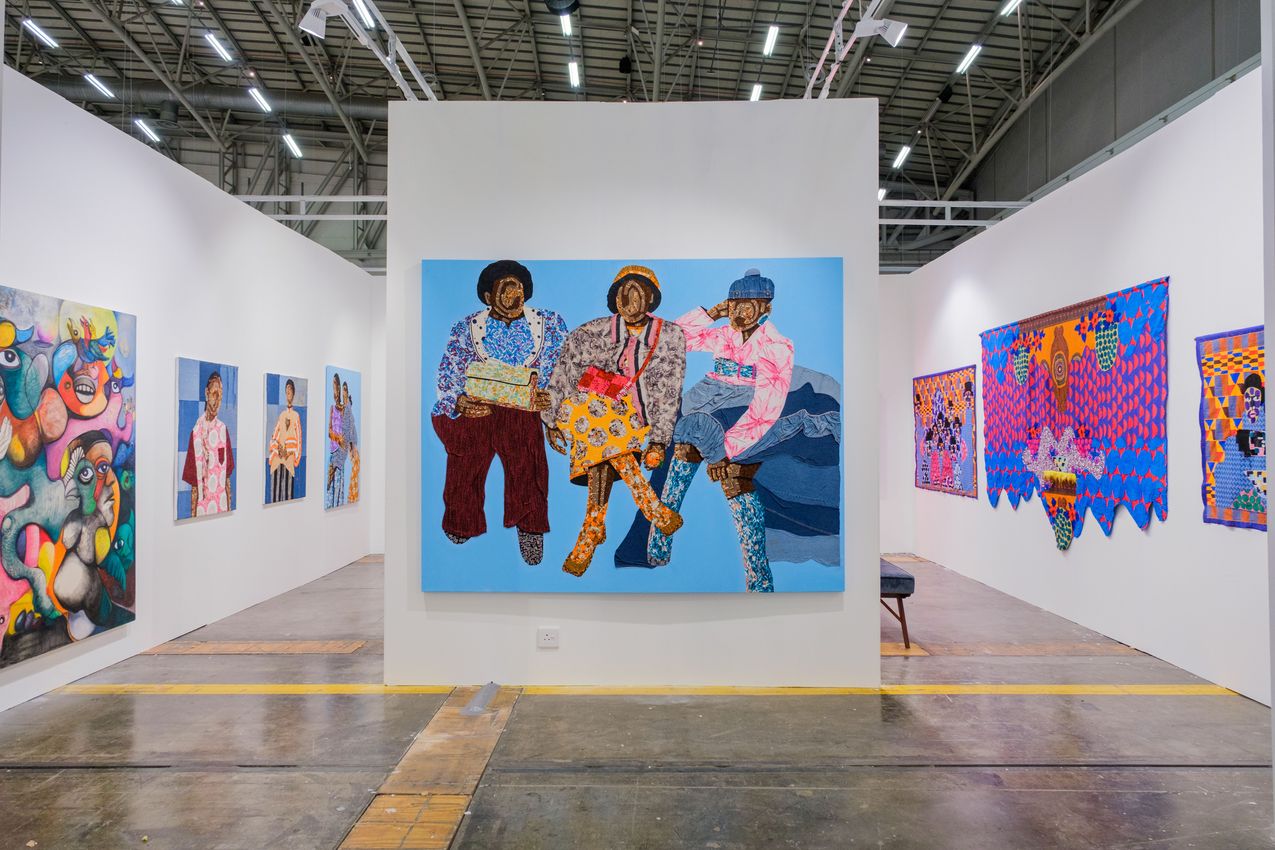
“Mount Nelson, Cape Town’s iconic Belmond Hotel, has launched three groundbreaking exhibitions that highlight portraiture, political imagination, and the city’s evolving cultural identity. The reopening positions the hotel as both a luxury destination and a cultural hub, attracting international travelers and local art enthusiasts alike.”
Introduction
Cape Town’s Mount Nelson Hotel, a historic landmark in South Africa’s hospitality sector, has reopened with a bold cultural statement: three new art exhibitions that redefine the intersection of travel, heritage, and contemporary creativity. This initiative not only revitalizes the hotel’s legacy but also strengthens Cape Town’s position as a global cultural tourism destination.
Historical Context
Founded in 1899, Mount Nelson has long been a symbol of colonial-era luxury, hosting dignitaries, celebrities, and travelers from across the world. Over the decades, it has evolved into a space that reflects South Africa’s layered history, from apartheid struggles to democratic transformation. Its latest exhibitions represent a conscious effort to align heritage hospitality with modern cultural narratives.
The Exhibitions
- Portraiture and Identity
- Focuses on South African artists exploring themes of race, gender, and belonging.
- Highlights how portraiture has evolved from colonial depictions to contemporary self-expression.
- Political Imagination
- Examines the role of art in shaping political discourse.
- Features works that critique governance, democracy, and social justice in post-apartheid South Africa.
- Cape Town: A City That Changed the Map
- Chronicles the city’s transformation into a cosmopolitan hub.
- Uses multimedia installations to showcase migration, urban development, and cultural diversity.
Cultural Tourism Impact
- Boost to Travel Sector: The exhibitions are expected to attract international tourists seeking meaningful cultural experiences.
- Local Engagement: Cape Town residents gain access to world-class art without leaving the city.
- Economic Ripple Effect: Increased visitor numbers benefit restaurants, galleries, and nearby attractions.
Hospitality Meets Culture
Mount Nelson’s strategy reflects a growing global trend where luxury hotels double as cultural institutions. By integrating exhibitions into its hospitality offering, the hotel appeals to travelers who value immersive experiences over traditional tourism. This aligns with the rise of “conscious travel,” where visitors seek deeper connections with local communities and histories.
Voices from the Community
- Artists: Many participating artists emphasize the importance of showcasing South African narratives on an international stage.
- Tourists: Early visitors describe the exhibitions as “transformative,” noting how they blend leisure with learning.
- Local Businesses: Entrepreneurs in Cape Town’s creative economy anticipate increased demand for cultural products and services.
Challenges and Opportunities
- Accessibility: Ensuring exhibitions remain affordable for local audiences is crucial.
- Representation: Curators must balance showcasing established artists with emerging voices.
- Sustainability: Integrating eco-conscious practices into cultural tourism remains a priority.
Conclusion
Mount Nelson’s reopening with these exhibitions signals a new era for South African cultural tourism. By merging heritage hospitality with contemporary art, Cape Town positions itself as a destination where travelers can experience both luxury and cultural depth. This initiative underscores the power of culture to drive tourism, foster dialogue, and shape national identity.



