




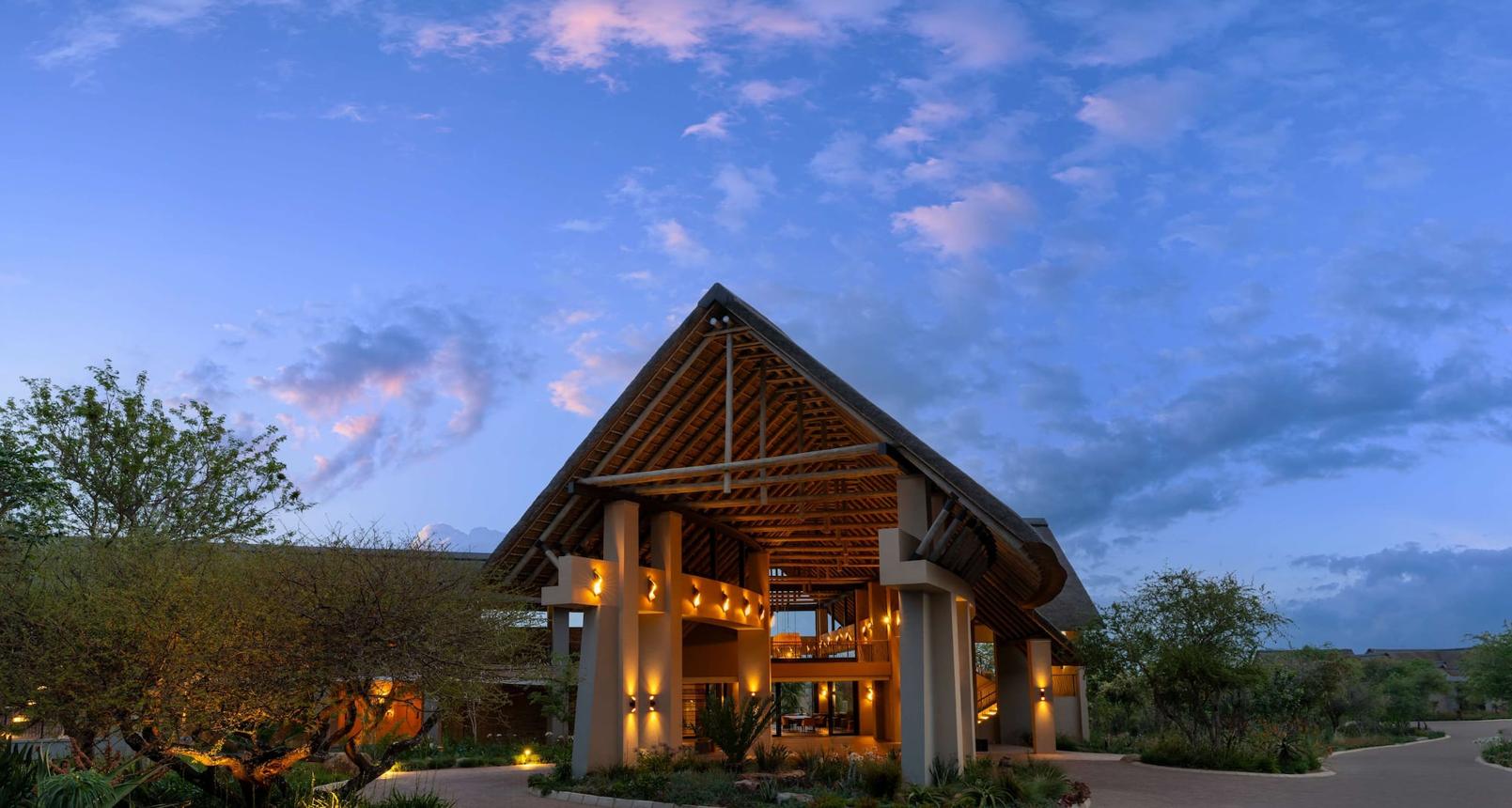
“Radisson Safari Hotel Hoedspruit in Limpopo has achieved Africa’s first Verified Net Zero hotel status, following independent verification of its efforts to address emissions across hotel operations, energy use and its wider supply chain. The milestone highlights how South Africa’s hospitality sector is increasingly combining comfortable accommodation, access to major safari destinations and environmental responsibility to appeal to travellers seeking more sustainable experiences.”
South Africa’s Luxury Travel Sector Enters a New Era as Hoedspruit Hotel Achieves Verified Net-Zero Status
South Africa’s luxury travel industry is gaining another important sustainability milestone following the announcement that Radisson Safari Hotel Hoedspruit in Limpopo has become Africa’s first hotel to receive Verified Net Zero status under Radisson Hotel Group’s programme. The achievement, reported on 28 October 2026, places environmental performance at the centre of a growing discussion about the future of premium accommodation, wildlife tourism and responsible travel across the continent.
The development is particularly significant for South Africa, where tourism experiences are closely connected to wildlife reserves, natural landscapes, cultural heritage and outdoor recreation. Visitors travelling to the Hoedspruit region often seek access to safari experiences, the Greater Kruger area and the dramatic scenery of the Blyde River Canyon. Consequently, how hotels manage their environmental impact is increasingly relevant to the long-term appeal of the destinations they serve.
The achievement also illustrates a broader transformation in international hospitality. Luxury accommodation is no longer defined exclusively by impressive rooms, attentive service, fine dining and convenient access to attractions. For a growing segment of travellers, environmental responsibility, transparent sustainability measures and a meaningful connection with nature are also important considerations when choosing where to stay.
A landmark for sustainable hospitality in Africa
Radisson Safari Hotel Hoedspruit is a 138-room property in Limpopo province, close to Kruger National Park and the Blyde River Canyon. According to reports published on 28 October, the hotel has achieved Verified Net Zero status through a programme that assesses emissions associated with its direct operations, purchased energy and wider value chain. Independent verification was conducted by TÜV Rheinland.
The designation represents a notable development for South African hospitality because it demonstrates an attempt to address environmental performance across multiple areas of hotel management rather than relying on one visible initiative, such as installing solar panels.
Hotels consume energy around the clock. Guest accommodation requires lighting, hot water, cooling and cleaning, while restaurants, kitchens, laundry facilities, transport and maintenance all contribute to the environmental footprint of daily operations. In addition, products purchased from suppliers and services delivered by outside businesses can create emissions beyond the property’s immediate control.
For this reason, credible net-zero programmes must consider a hotel’s broader operational system. Measuring emissions, implementing reductions and accounting for remaining emissions are different but related responsibilities. Independent verification provides an additional level of scrutiny beyond a hotel’s own sustainability statements.
Radisson Hotel Group has set a target of reaching 100 Verified Net Zero hotels by 2030. The Hoedspruit achievement extends the programme’s presence into Africa and gives the regional hospitality sector an example of how established hotel operations can pursue more comprehensive environmental management.
Renewable energy becomes central to hotel operations
One of the most important elements of the Hoedspruit hotel’s strategy is its approach to electricity. The property combines on-site solar generation with renewable electricity procurement supported by guarantees of origin. It also plans to introduce a solar wheeling agreement in 2027.
Solar wheeling enables electricity generated by a renewable energy producer to enter the electricity grid, with a corresponding contracted quantity allocated to a customer under the relevant commercial and grid arrangements. For hotels, this can offer another way to obtain renewable electricity when rooftop installations alone cannot meet all their requirements.
The approach may be relevant to other hospitality businesses across South Africa. Hotels need reliable electricity to maintain guest comfort, operate kitchens, protect food supplies and deliver consistent services. Renewable energy procurement can therefore form part of a wider strategy addressing energy security, operating costs and emissions.
The property has also introduced electrification measures within its daily operations. These include electric kitchen equipment, heat pumps for supplying hot water to guest rooms, and electric golf carts and three-wheel utility vehicles.
Such changes illustrate how environmental improvements can be integrated into ordinary hospitality functions. Instead of treating sustainability as a separate activity, a hotel can incorporate it into engineering, transport, food preparation and facilities management.
However, renewable energy alone does not eliminate every environmental impact. The effectiveness of a comprehensive programme depends on energy efficiency, continued emissions measurement, appropriate procurement and the management of remaining emissions.
Water conservation and waste reduction support the strategy
Water is another important consideration for accommodation providers operating in destinations where wildlife, vegetation and natural landscapes are central to tourism.
The Hoedspruit property reports that its on-site wastewater treatment plant recycles all wastewater. This measure forms part of a broader approach to resource management, helping the hotel reduce the need to treat water as a single-use resource.
Waste management is also central to the hotel’s environmental programme. The property works with recycling partners to process materials such as paper, glass and plastic. Food waste is handled through composting and worm-farming initiatives, while other measures aim to reduce the volume of material sent to landfill.
These systems demonstrate why sustainability in hospitality requires coordination between different departments and external service providers. Housekeeping teams influence the consumption of cleaning products and bathroom amenities, kitchens determine how ingredients are purchased and handled, and engineering teams oversee water and energy systems.
The hotel has introduced bulk bathroom amenities using containers returned to suppliers through a closed-loop recycling arrangement. Glass water bottles and the provision of additional amenities on request are also intended to reduce unnecessary packaging and waste. Guests are encouraged to reuse towels and choose flexible housekeeping options.
Digital guest services provide another opportunity to reduce paper consumption. The hotel plans to use the STAY e-concierge application to make information and guest requests available digitally, reducing dependence on printed materials in bedrooms.
Although these individual measures may appear modest, their cumulative impact can become significant when implemented consistently across a hotel.
Dining experiences become part of sustainable luxury
Food is an essential component of the luxury travel experience. Guests expect quality ingredients, carefully prepared dishes, attentive service and menus that reflect the character of their destination. At the same time, food purchasing, preparation, storage and waste management can influence a hotel’s environmental performance.
At Hoedspruit, the hotel is working with Klimato, a food sustainability platform, to introduce carbon-labelled menus. These labels provide information about the emissions associated with different dining choices and help the culinary team assess recipes and identify opportunities to offer lower-carbon alternatives.
This approach could help make sustainability more visible to guests without removing the personal enjoyment associated with dining. Travellers can explore a menu while gaining additional information about the environmental implications of their choices.
For the hospitality industry, the initiative also demonstrates how sustainability can influence product development. Chefs and procurement teams can evaluate ingredients, portion sizes, sourcing arrangements and food waste while maintaining culinary standards.
Responsible dining does not necessarily mean that every guest must choose the same meals. Rather, transparent information and thoughtful menu planning can expand the options available to customers while helping businesses make more informed decisions.
The hotel’s procurement initiatives also include a community project that repurposes used coffee bags into reusable shopping bags. Additional measures involve compostable coffee capsules and tea products designed to reduce packaging waste.
Together, these activities connect hotel operations with wider questions about resource use, local enterprise and community participation.
What the achievement means for luxury safari tourism
Hoedspruit occupies an important position within South Africa’s wildlife tourism landscape. Its location provides access to the wider Kruger region, private game reserves and natural attractions that draw domestic and international visitors.
Luxury safari travel depends on more than accommodation alone. The complete experience may include transfers, guided wildlife viewing, interpretation of ecosystems, meals, relaxation facilities and opportunities to understand conservation work. Visitors frequently select destinations because they want to experience nature while enjoying comfort and reliable service.
Environmental performance can therefore influence the reputation of a hospitality business, particularly when sustainability claims are supported by measurable results and independent assessment.
The net-zero milestone does not mean that every hotel in the region has achieved comparable standards, nor does it establish that all tourism activities around Hoedspruit have become environmentally neutral. Nevertheless, it provides an example of how an established property can approach emissions management through a combination of operational changes, renewable energy and waste reduction.
It also highlights the need to distinguish between a verified programme designation and general marketing language. Travellers evaluating sustainable accommodation should consider what has been assessed, which emissions are covered, how reductions are measured and how any remaining emissions are addressed.
For South African tourism businesses, clear information can help build confidence among guests who want to make responsible travel decisions.
Balancing guest comfort with environmental responsibility
A central challenge for premium hospitality is reducing environmental impacts without compromising the quality of the guest experience.
Luxury visitors typically expect comfortable temperatures, dependable hot water, well-maintained facilities, high-quality food and responsive service. Meeting these expectations requires careful planning because sustainability measures must work reliably under actual operating conditions.
Electrifying equipment, improving water systems, reducing packaging and changing procurement arrangements all require investment, staff training and monitoring. Some initiatives may also depend on the availability of suitable suppliers, technical support and infrastructure.
For example, renewable electricity agreements require appropriate contractual arrangements and access to a functioning electricity network. Recycling programmes depend on reliable collection and processing systems. Food sustainability measures require cooperation between chefs, suppliers and procurement teams.
The Hoedspruit example suggests that a comprehensive approach can bring these different responsibilities together within a single hotel strategy. It also reinforces the importance of maintaining environmental improvements after certification, rather than treating the achievement as the end of the process.
Staff members play a crucial role because sustainability policies become effective only when they are reflected in everyday decisions. Training, maintenance, monitoring and communication help ensure that environmental objectives remain part of normal business operations.
Economic opportunities for South Africa’s tourism industry
Sustainable hospitality can also create opportunities for suppliers, service providers and surrounding communities. Hotels need energy solutions, water treatment services, recycling partners, food suppliers, transport providers and skilled workers. Changes in procurement and operating practices can therefore influence economic activity beyond the hotel itself.
At Hoedspruit, the reported initiatives involving recycling, food waste, reusable materials and renewable energy illustrate several areas in which hospitality operations intersect with specialist businesses and community projects.
The wider economic benefits will depend on the scale of local participation, the availability of appropriate skills and the commercial sustainability of individual projects. Environmental initiatives should therefore be assessed not only by their stated intentions but also by their measurable results and long-term viability.
For destinations that depend heavily on nature-based tourism, maintaining healthy landscapes and protecting biodiversity are also important to the long-term appeal of the visitor experience. Effective environmental management can complement conservation efforts, although a hotel’s certification should not be confused with proof that all surrounding ecosystems are protected.
South Africa’s tourism industry can build on such developments by encouraging collaboration among accommodation providers, conservation organisations, local businesses and public authorities.
A new consideration for luxury travellers
The announcement arrives at a time when luxury travel is increasingly associated with privacy, personalisation and distinctive experiences. Environmental responsibility adds another dimension to that offering.
For some visitors, a premium holiday may involve a private safari, carefully prepared meals, peaceful accommodation and time spent in a natural setting. Knowing how a hotel manages energy, water and waste can provide additional context for the experience.
However, travellers should continue to assess accommodation according to their individual needs, budget, preferred activities and accessibility requirements. Net-zero status is one factor to consider alongside service quality, location, safety, wildlife experiences and transparent booking conditions.
The Hoedspruit achievement also gives travel advisers another subject to discuss with clients who ask about sustainability. Rather than relying on broad claims that a property is environmentally friendly, advisers can explain the specific measures reported and direct customers to the relevant verification and hotel information.
Outlook: a milestone, not the finish line
Radisson Safari Hotel Hoedspruit’s Verified Net Zero status represents a noteworthy development for South African hospitality and the wider African tourism industry. Its approach brings together renewable electricity, electrified equipment, wastewater recycling, waste reduction, procurement changes and carbon-conscious dining within an established hotel operation.
The next challenge is to sustain these measures, monitor performance and demonstrate that environmental objectives continue to be met. The broader industry will also need to consider how such approaches can be adapted to properties with different sizes, locations, infrastructure and financial resources.
For South Africa’s luxury travel sector, the lesson is that environmental responsibility can form part of the guest experience while also addressing the practical demands of hotel management. The country’s wildlife destinations, coastlines, mountains and cultural attractions remain central to its tourism appeal, and their long-term value depends in part on how tourism businesses manage their relationship with the environment.
As international travellers continue to evaluate what makes a holiday distinctive, credible sustainability practices may become an increasingly important consideration in accommodation decisions.
The Hoedspruit milestone does not settle every question about sustainable tourism, but it offers a concrete example of an African hotel pursuing independently verified net-zero status. Its significance lies both in the achievement itself and in the wider discussion it encourages about the future of luxury travel: one in which comfort, memorable experiences and environmental responsibility increasingly need to work together.



