




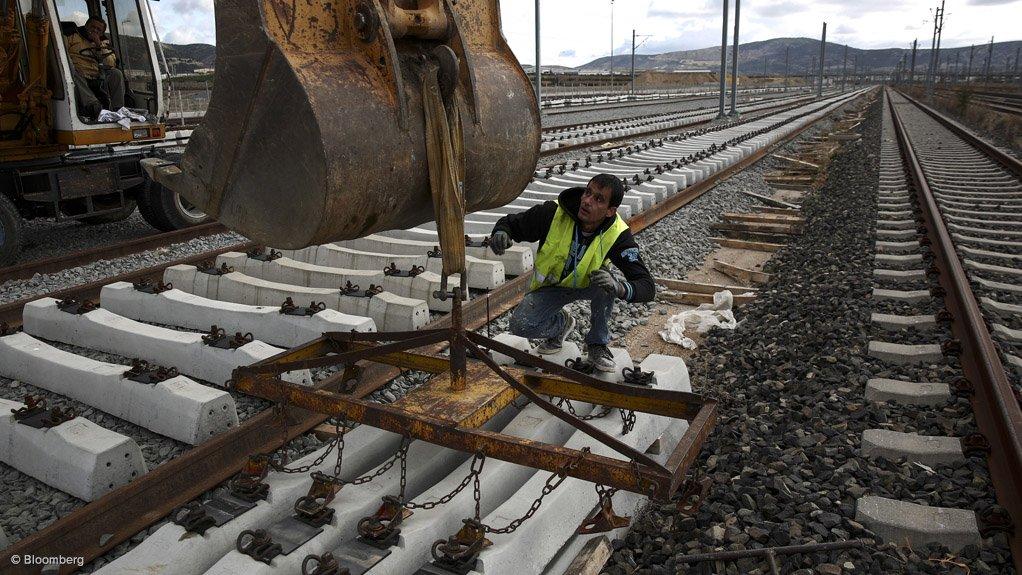
“South Africa’s transport infrastructure needs sustained maintenance, preventative repairs and long-term planning to protect existing investments and improve the reliability of roads, railways and public transport, according to AvenirHoldings chief executive Tshidi Mndzebele. As Transport Month draws to a close, the industry warning highlights the economic costs of deteriorating infrastructure and the importance of balancing new construction with the effective maintenance of existing transport networks.”
South Africa’s Transport Future Depends on Maintaining Existing Infrastructure, Industry Leader Warns
Introduction: A transport system at a critical crossroads
South Africa’s transport infrastructure requires more than new construction projects to meet the country’s growing economic and social needs. Roads, bridges, railway lines and public transport facilities must also receive consistent maintenance to remain safe, efficient and reliable. This is the central message emerging from a transport infrastructure warning published on 28 October 2026 by African Mining Market.
The report, featuring comments from Tshidi Mndzebele, chief executive of AvenirHoldings, argues that maintaining existing infrastructure should be treated as a fundamental part of national transport planning rather than an activity undertaken only when assets begin to fail.
The issue is significant as South Africa works to improve passenger transport, strengthen freight logistics, reduce travel costs and support economic growth. Although new roads, railway upgrades and public transport investments remain necessary, their long-term value depends on whether the infrastructure is properly operated, maintained and renewed.
The debate also comes as October Transport Month 2026 approaches its conclusion, providing an opportunity to examine whether the country’s transport priorities are delivering practical benefits to commuters, businesses and communities.
Why infrastructure maintenance matters
Transport infrastructure forms the backbone of South Africa’s economy. Roads connect residential communities with workplaces, schools, hospitals and commercial centres. Railways support commuter travel and the movement of bulk goods, while bridges and transport interchanges connect different parts of the national network.
When these assets deteriorate, the consequences extend far beyond the physical infrastructure itself.
Damaged roads can increase vehicle maintenance costs, cause delays and create hazards for motorists. Unreliable railway infrastructure can disrupt passenger services and freight movements. Poorly maintained bridges, drainage systems and supporting structures can also expose communities to safety risks and costly service interruptions.
Mndzebele’s argument is that infrastructure planning must recognise these consequences from the beginning of every project.
A road may be successfully constructed and formally opened, for example, but its usefulness will decline if potholes, drainage failures and surface deterioration are not addressed promptly. Similarly, a railway line cannot deliver dependable services simply because it has been upgraded once. Tracks, signalling equipment, electrical systems and associated facilities require continuing attention.
Consequently, infrastructure development should be evaluated through its entire operational life, not only through the initial construction budget or the number of kilometres completed.
The economic consequences of deteriorating roads and railways
South Africa’s transport challenges have direct implications for households and businesses.
For motorists, poorly maintained roads can mean more frequent tyre replacements, suspension repairs, increased fuel consumption and longer journeys. These additional expenses are particularly burdensome for households that depend on private vehicles because suitable public transport alternatives are unavailable.
Businesses face similar pressures. Delivery companies may experience longer turnaround times, while logistics operators can incur additional vehicle maintenance and fuel expenses. When these costs accumulate across supply chains, they can affect product prices, business profitability and the competitiveness of South African goods.
Rail infrastructure also plays a critical role in the movement of minerals, agricultural products, manufactured goods and other freight. Interruptions to rail operations can increase pressure on roads as businesses seek alternative ways to transport cargo.
South Africa’s government has consequently identified rail revitalisation, road maintenance and improved freight efficiency as important elements of its transport policy.
These challenges demonstrate why maintenance cannot be treated simply as an engineering expense. It is an economic investment that helps protect productive assets, limit avoidable costs and maintain connections between communities and markets.
Preventative maintenance can reduce long-term costs
One of the key principles highlighted in the report is preventative maintenance.
This approach involves identifying and addressing deterioration before it develops into a major failure. Instead of waiting until a road becomes severely damaged or railway equipment stops functioning, infrastructure managers undertake inspections, routine repairs and planned replacements.
Such measures can reduce the likelihood of expensive emergency interventions and unexpected service disruptions.
For example, repairing small areas of road damage before water penetrates the underlying structure may help prevent more extensive deterioration. Similarly, inspecting railway tracks, maintaining signalling systems and replacing worn components can reduce the risk of operational failures.
However, preventative maintenance requires effective planning, reliable funding and technical capacity. Authorities must know the condition of their infrastructure, understand which assets face the greatest risks and allocate resources according to clear priorities.
The challenge is particularly important where public authorities manage extensive networks with competing demands for funding.
Mndzebele’s position is that infrastructure maintenance must be integrated into project planning from the outset, with operating, rehabilitation and eventual replacement costs considered alongside initial construction expenses.
This lifecycle approach can help decision-makers assess whether proposed projects are financially sustainable over the long term.
Balancing new construction with existing infrastructure
New transport infrastructure remains essential for a country experiencing changing travel patterns, urban expansion and increasing demand for goods movement.
Growing communities need access to employment opportunities and public services. Businesses require efficient connections to ports, distribution centres and markets. Rural areas also need dependable transport links to support agriculture, tourism and local economic activity.
Nevertheless, expanding the network without maintaining existing assets can create a growing financial burden.
Every new road, bridge or railway introduces future responsibilities, including inspections, repairs, operational management and eventual rehabilitation. If these obligations are not adequately funded, infrastructure built to address today’s needs can become tomorrow’s maintenance problem.
Mndzebele therefore advocates a broader approach that protects existing infrastructure while planning intelligently for future demand.
For South African authorities, this means comparing the benefits of new construction with the potential gains from rehabilitating existing roads, restoring rail capacity or improving the efficiency of transport facilities already in operation.
In some circumstances, targeted maintenance may provide more immediate benefits than constructing an entirely new asset. In others, expansion will be necessary because existing infrastructure cannot safely or efficiently accommodate growing demand.
The objective should be to make investment decisions according to measurable public and economic benefits rather than treating construction activity as the sole measure of progress.
Passenger rail recovery illustrates the importance of maintenance
South Africa’s passenger rail network provides a useful example of the relationship between infrastructure condition and service performance.
The Passenger Rail Agency of South Africa, commonly known as PRASA, has been rebuilding railway infrastructure following years of deterioration, vandalism and operational disruption.
A report published by Daily Investor on 28 October 2026 stated that annual passenger journeys had risen from 39 million in the 2023/24 financial year to 101 million in 2025/26. It attributed the recovery to infrastructure modernisation and the replacement of failing equipment and machinery.
The increase indicates the potential benefits of restoring railway capacity. More dependable trains can give commuters another option for reaching work and other destinations, while helping reduce dependence on road-based transport.
However, rebuilding damaged infrastructure is only one part of the challenge. The long-term sustainability of the recovery depends on keeping tracks, signalling systems, stations and trains in working condition.
Security also remains important because theft and vandalism can damage essential equipment and reverse the benefits of rehabilitation.
This experience reinforces the wider message that transport recovery must include ongoing maintenance, operational monitoring and protection of public assets.
Road maintenance requires coordinated planning
Road infrastructure presents a similarly important challenge.
South Africa’s road network includes national highways, provincial roads and municipal streets, each serving different transport needs. National routes support long-distance travel and freight movements, while local roads connect communities to schools, businesses and public services.
Maintaining this network requires coordination between different levels of government and the institutions responsible for funding, managing and repairing roads.
The national government has identified road maintenance as a key transport priority, while also recognising difficulties relating to funding and technical capacity at provincial and municipal levels.
When maintenance responsibilities are divided among institutions, clear planning and accountability become particularly important. Authorities need to identify which roads require urgent intervention, establish realistic maintenance schedules and ensure that available resources are directed towards the highest-priority needs.
Drainage maintenance is also essential. Water damage can accelerate road deterioration, especially when drainage channels become blocked or infrastructure is poorly designed for local conditions.
Regular inspections, timely repairs and transparent reporting can help road authorities identify problems before they become more expensive to address.
Technology and infrastructure monitoring
Modern technology could strengthen South Africa’s maintenance efforts.
Digital asset registers, condition-monitoring systems and geographic information tools can help authorities record infrastructure conditions and identify emerging problems. Inspection data can also support more consistent decisions about repair schedules and investment priorities.
For railway infrastructure, monitoring equipment can help identify deterioration in tracks, electrical systems and signalling components. On roads, digital reporting systems can assist with identifying damaged surfaces, drainage failures and hazardous locations.
Technology alone, however, cannot resolve infrastructure problems. Monitoring systems must be supported by skilled personnel, functioning maintenance teams, sufficient budgets and the ability to act on identified risks.
Authorities should also measure whether maintenance programmes are delivering results. Useful indicators include infrastructure availability, the frequency of service interruptions, repair completion times, road conditions and the cost of maintaining assets over their operational lives.
Such measures would help government and the public distinguish between infrastructure that has merely been constructed and infrastructure that continues to perform effectively.
Skills, employment and local economic development
A stronger maintenance programme could also support employment and skills development.
Road repairs, railway rehabilitation, bridge inspections and infrastructure monitoring require engineers, technicians, construction workers and specialist service providers.
Consistent maintenance planning can give contractors and suppliers greater visibility of future work, potentially supporting more stable employment and investment in technical capabilities.
Where appropriate, projects can also create opportunities for small and medium-sized enterprises involved in construction, equipment supply and maintenance services.
Nevertheless, employment benefits depend on effective procurement, appropriate technical standards and responsible project management. Spending alone does not guarantee durable improvements.
The priority must remain delivering safe, reliable infrastructure while ensuring that public resources generate lasting value.
Conclusion: Measuring success by performance, not construction alone
South Africa’s transport infrastructure debate is increasingly about how to protect and maximise the value of existing assets while preparing for future demand.
The warning published by African Mining Market on 28 October 2026 highlights a fundamental principle: building new infrastructure is important, but maintaining what already exists is equally necessary.
For commuters, the benefits would be visible in safer roads, more dependable trains and fewer disruptions. For businesses, improved infrastructure could reduce logistics costs and strengthen access to markets. For government, preventative maintenance and lifecycle planning could help protect public investment and reduce the risk of expensive emergency repairs.
Achieving these outcomes requires reliable funding, coordination across institutions, technical expertise and transparent accountability.
Ultimately, South Africa’s transport progress should not be judged only by the number of roads constructed, railway lines upgraded or facilities opened. It should also be measured by whether those assets remain safe, operational, accessible and affordable throughout their useful lives.
The message from the industry is clear: a sustainable transport system must be built for the future and maintained for the present.



