




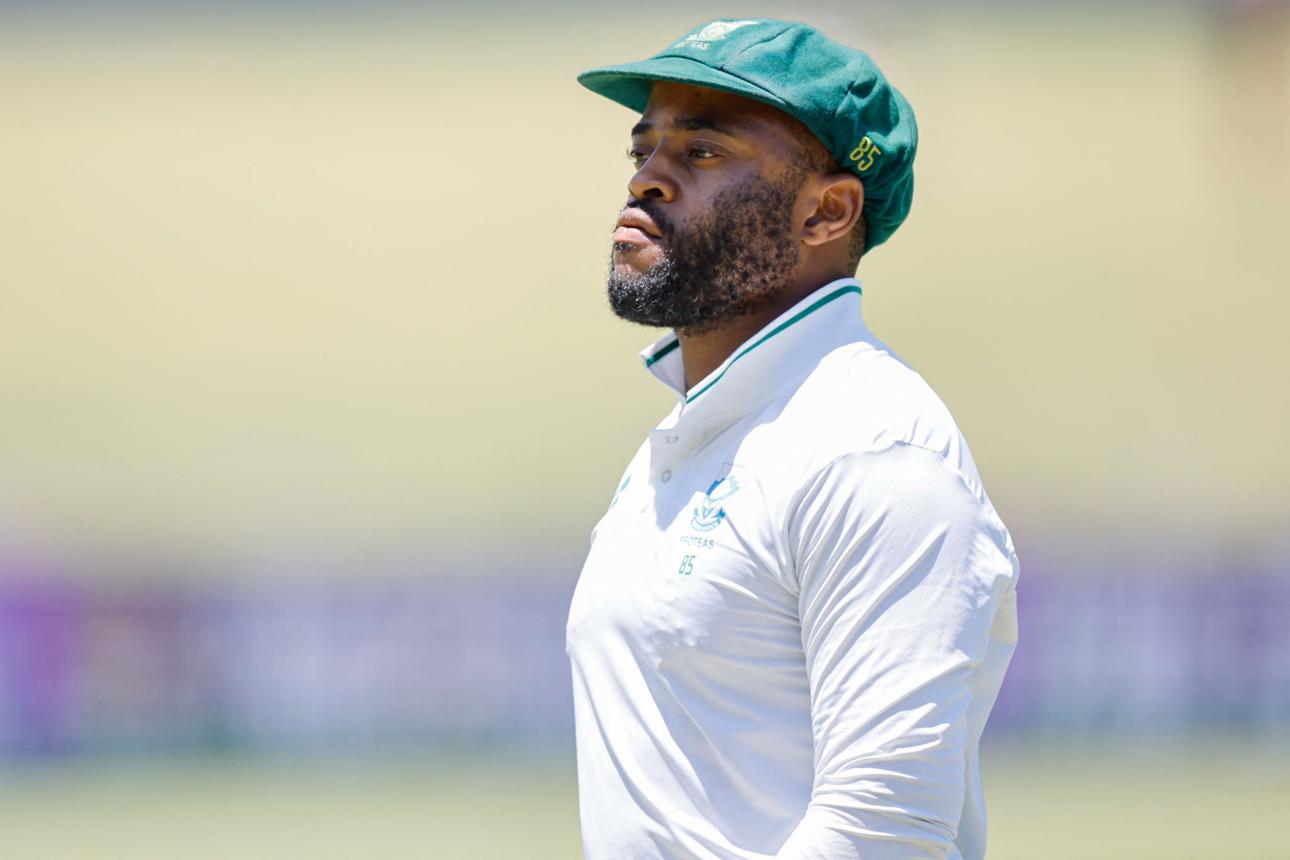
“South Africa’s coaching staff must address batting failures, inconsistent decision-making and missed opportunities after Australia secured a 214-run victory in Durban. Coach Shukri Conrad has urged the team to avoid panic, while the possible return of fast bowler Kagiso Rabada offers hope ahead of the second Test.”
Proteas Must Rebuild Confidence and Correct Batting Errors After Australia Defeat
South Africa’s men’s cricket team faces an important test of character after Australia defeated the Proteas by 214 runs in the opening Test at Kingsmead in Durban on 13 October 2026. The result gave Australia a 1–0 lead in the three-match series and forced South African captain Temba Bavuma, coach Shukri Conrad and the selection panel to consider how the team can respond before the second Test in Gqeberha.
The defeat was significant because South Africa had enjoyed a strong run of Test results, including their triumph over Australia in the 2025 World Test Championship final at Lord’s. However, the opening match of the new series exposed weaknesses in the Proteas’ batting, their ability to maintain pressure during important passages of play and their capacity to turn promising positions into sustained advantages.
Conrad has urged calm rather than dramatic changes, but he has also made it clear that the team must improve. With Australia carrying considerable momentum, South Africa now have limited time to identify their mistakes, prepare for different conditions and select a combination capable of challenging the visitors.
Australia Expose South Africa’s Batting Weaknesses
The first Test demonstrated how quickly a competitive contest can move beyond a team’s control when opportunities are wasted. South Africa had moments when they could have restricted Australia’s scoring, particularly during the visitors’ first innings. However, Australia recovered from early setbacks and established the platform for a commanding victory.
Matt Renshaw was central to that recovery. His first-innings 190 provided Australia with a substantial total, while his second-innings 82 strengthened the visitors’ position. His ability to occupy the crease, accumulate runs and frustrate the South African bowlers made him one of the defining performers of the match.
Australia’s first innings eventually reached 390, despite South Africa initially making inroads into the batting order. The home side had opportunities to prevent the innings from becoming so productive, but they could not consistently finish the job.
South Africa replied with 284 in their first innings. Although several batters made useful starts, none converted those opportunities into the commanding individual score needed to place their team in a stronger position.
That pattern became particularly damaging because Australia’s bowlers repeatedly capitalised when South African batters made mistakes. Instead of forcing the visitors to work through long partnerships, the Proteas surrendered wickets at crucial moments.
The second innings brought another difficult examination. Chasing a target of 421, South Africa were dismissed for 206. Aiden Markram scored 75, providing the clearest example of how patience and concentration could frustrate the Australian attack. Nevertheless, his resistance was insufficient to rescue the match.
The defeat therefore reflected more than a difference in individual ability. It showed how discipline, decision-making and partnerships can determine the outcome of a Test even when the pitch offers opportunities for substantial scores.
Conrad Calls for Composure Instead of Panic
Following the defeat, Conrad acknowledged the seriousness of the performance while cautioning against making changes simply because the team had lost. His position is that the Proteas must improve without abandoning every principle that helped them succeed previously.
According to Reuters reporting published on 14 October, Conrad stressed that the team needed to become better rather than treating one defeat as a reason for a complete overhaul. He also identified mental errors as an important factor behind the batting collapse.
This approach presents a challenge for the coaching staff. International cricket demands accountability, but excessive changes can undermine confidence and disrupt combinations before players have an opportunity to correct their mistakes.
South Africa must distinguish between players who have technical problems, those who misjudged particular situations and those whose poor decisions reflected pressure. Each problem requires a different response.
Technical difficulties may require adjustments to footwork, shot selection or movement against particular bowling lengths. Tactical weaknesses demand better planning against specific bowlers and conditions. Mental errors, meanwhile, require players to remain committed to a strategy even when scoring becomes difficult.
Conrad’s comments suggest that the coaching staff are considering these questions before deciding on the final team for Gqeberha.
The challenge is to turn the disappointment of Durban into practical improvements rather than allowing the result to create uncertainty throughout the squad.
Markram Provides an Example of Test Match Patience
Markram’s second-innings performance offered South Africa a valuable lesson. His 75 came from an extended period at the crease, during which he concentrated on defending his wicket and resisting the temptation to play attacking shots unnecessarily.
Test cricket rewards players who understand that scoring quickly is not always the immediate priority. When a team is attempting to save a match, occupying the crease can be as important as finding boundaries.
Markram demonstrated that the Australian bowlers could be resisted when a batter remained patient, selected deliveries carefully and accepted that some overs would produce few runs.
His innings also illustrated the importance of adapting after an unsuccessful first attempt. Rather than repeating the same approach, he showed greater determination to stay at the crease.
Conrad praised this persistence and suggested that other batters could learn from Markram’s approach.
For South Africa, the lesson is not that every batter must adopt an identical style. Instead, players need to understand the match situation and choose their scoring opportunities accordingly.
An aggressive batter can still play responsibly, while a naturally defensive player can score effectively when the opportunity arises. The essential requirement is to avoid giving wickets away through impatience.
If the Proteas can turn individual starts into substantial partnerships, they will have a better chance of competing against Australia’s experienced bowling attack.
Rabada’s Potential Return Could Strengthen the Attack
One of the most encouraging developments for South Africa is the possibility of Kagiso Rabada returning for the second Test. The fast bowler missed the Durban match while recovering from a hamstring injury sustained earlier in the year.
Captain Bavuma indicated that Rabada was progressing well and could be available for the match beginning on 18 October. The International Cricket Council also reported on 14 October that the pace spearhead was in contention for selection.
Rabada’s experience, pace and ability to challenge batters with different deliveries could provide an important boost. His presence would give South Africa another proven attacking option against an Australian batting line-up that demonstrated considerable resilience in Durban.
However, his selection must depend on fitness and readiness to perform at Test match intensity. Returning too early from a hamstring injury could create further complications, especially during a demanding series.
The selectors must therefore balance the immediate need for wickets against the longer-term importance of protecting a key fast bowler.
South Africa also have other bowling options, including Marco Jansen, Anrich Nortje, Keshav Maharaj and Wiaan Mulder. The combination chosen for Gqeberha will need to reflect the pitch, the likely workload of the seamers and the value of maintaining an effective spin option.
Rabada’s potential return cannot solve every problem. Even an excellent bowling performance will be insufficient if the batting order continues to surrender wickets cheaply.
Australia’s Experienced Bowlers Remain a Major Threat
Australia’s victory also highlighted the continuing effectiveness of its experienced bowling attack. Josh Hazlewood, Pat Cummins, Mitchell Starc and Nathan Lyon combined control, experience and tactical awareness to put South Africa under sustained pressure.
Hazlewood was particularly influential, taking six wickets for 49 runs in South Africa’s second innings. His performance demonstrated how disciplined bowling can expose batters who are uncertain about whether to attack, defend or leave deliveries outside the stumps.
Australia’s bowlers did not rely exclusively on speed. They varied their lengths, maintained pressure and waited for mistakes. That approach made it difficult for South Africa to settle into partnerships.
The Proteas must prepare for a similarly demanding challenge in Gqeberha. Their batters need clear plans against the short ball, a better understanding of when to leave deliveries and greater patience when conditions favour the bowlers.
Australia’s confidence will also make the second Test challenging. Having secured the opening match, the visitors can approach the next contest knowing their strategies have already troubled South Africa. Nevertheless, the Proteas have home conditions and an opportunity to respond.
Selection Decisions Could Shape the Series
South Africa’s selection meeting is likely to focus on finding the right balance between continuity and necessary change. Conrad has indicated that changes remain possible, while Rabada’s anticipated return creates an immediate question about the bowling combination.
There are also questions about the batting order. Several players failed to convert promising starts in Durban, leaving the team vulnerable to successive dismissals. The selectors must determine whether those performances justify changes or whether the existing players should receive another opportunity.
Former South African batter Herschelle Gibbs has advocated for changes, including bringing in uncapped batter Marques Ackerman. His suggestions represent one view in the wider selection debate, rather than a confirmed team decision.
Any replacement must be assessed against current form, first-class performances, technical suitability and the demands of the match. Selection should not become a reaction to public criticism alone.
Australia, meanwhile, are also considering their options. Coach Andrew McDonald has indicated that the batting order could change according to conditions in Gqeberha. Cameron Green’s fitness remains uncertain, while wicketkeeper-batter Josh Inglis has been progressing in his recovery from a broken finger.
Gqeberha Offers South Africa an Opportunity to Recover
The second Test at St George’s Park begins on Sunday, 18 October, and represents South Africa’s first opportunity to level the series. Cricket South Africa’s published schedule lists the match for a 10:00 local start.
The Proteas will need to improve several areas simultaneously. Their batters must show greater discipline, the bowlers must convert promising positions into wickets, and the fielders must support the attack by maintaining concentration throughout long periods.
South Africa also need to manage the psychological impact of the defeat. Confidence can suffer when a team loses heavily, particularly when the result exposes weaknesses across several departments. However, the squad’s previous achievements demonstrate that it possesses the experience to compete at the highest level.
A strong start in Gqeberha would help restore belief. Early wickets could place pressure on Australia, while a determined opening partnership would demonstrate that the batting group has learned from Durban.
Ultimately, the Proteas do not need to reinvent their entire approach. They need to execute their existing plans more consistently, recognise dangerous situations earlier and respond intelligently when Australia apply pressure.
Conclusion: The Proteas Must Turn Lessons Into Results
South Africa’s defeat in Durban has made the second Test an important moment in the series. Australia have demonstrated their batting resilience and bowling discipline, while the Proteas have been left to address missed opportunities and disappointing batting performances.
Conrad’s message is clear: the team must improve without making decisions in panic. Markram’s patient innings provides an example of the concentration required, while Rabada’s potential return could strengthen the bowling attack if he is fully fit.
The most important factor, however, will be collective execution. South Africa need meaningful partnerships, more disciplined shot selection and greater consistency across all five days.
Australia will arrive in Gqeberha with a 1–0 advantage and considerable confidence. The Proteas must respond with determination, thoughtful selection and improved performances if they hope to level the series.
The next Test will reveal whether the Durban defeat becomes a turning point for improvement or the beginning of a more difficult campaign. For South African supporters, the priority is a team that learns quickly, competes intelligently and demonstrates the resilience expected of international Test cricket.



