




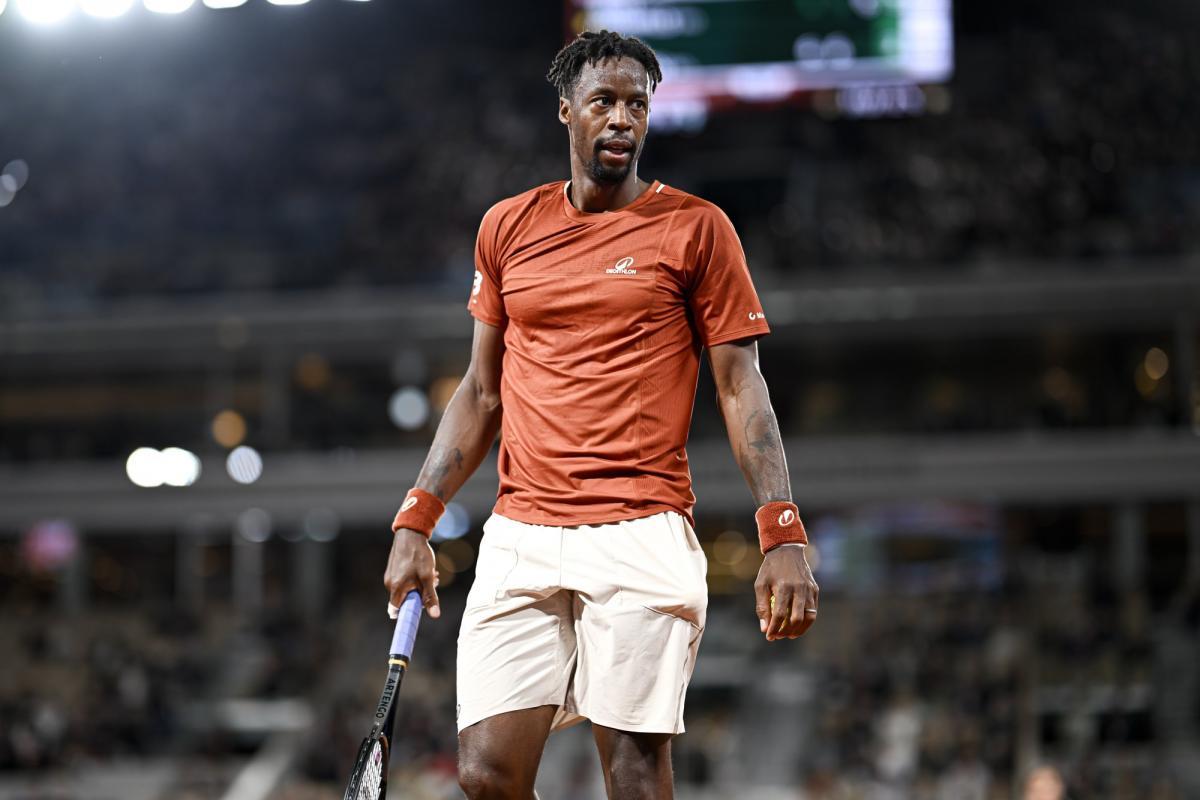
“French tennis star Gaël Monfils, a former world No. 6 renowned for his athleticism and entertaining playing style, has retired from professional tennis at the age of 40, according to the International Tennis Integrity Agency. His retirement comes earlier than expected, as he had planned to conclude his career after the 2026 season, with the Paris Masters previously anticipated to be his final tournament.”
Gaël Monfils Retires from Professional Tennis: The End of an Extraordinary Career
A Sudden Conclusion to a Remarkable Tennis Journey
Professional tennis has lost one of its most recognisable entertainers following the retirement of French star Gaël Monfils at the age of 40. The former world No. 6, celebrated for his exceptional athleticism, spectacular defensive skills and energetic personality, has officially stepped away from competitive tennis, according to information reported by Reuters and published through Flashscore South Africa on 15 October 2026.
The announcement has attracted attention across the international tennis community because Monfils had previously indicated that he intended to complete the 2026 season before retiring. Consequently, his departure before the Paris Masters, which had been expected to provide a fitting final appearance, marks an unexpected conclusion to a career spanning more than two decades.
According to the International Tennis Integrity Agency (ITIA), Monfils has been added to its official list of retired players. An agency spokesperson confirmed that his retirement removes him from the sport’s anti-doping protocols and makes him ineligible to enter professional tournaments.
Although the circumstances surrounding his decision remain limited in the published report, his departure represents an important moment for tennis supporters who have followed his career from his early breakthroughs to his final Grand Slam appearance.
A Player Who Made Tennis Spectacular
Monfils established himself as a distinctive figure in professional tennis through a playing style that combined physical power, remarkable speed and creativity. While many players build their strategies around consistent baseline exchanges and controlled aggression, the Frenchman frequently turned difficult defensive situations into opportunities to entertain spectators.
His athleticism enabled him to chase seemingly unreachable balls, recover from awkward positions and produce spectacular shots under pressure. Furthermore, his willingness to experiment during rallies made his matches unpredictable and memorable.
However, Monfils was more than an entertainer. Reaching sixth in the world rankings demonstrated his ability to compete among the leading players of his generation. His achievements reflected years of disciplined preparation, technical development and experience against elite opposition.
His career also illustrated the demanding balance required in modern tennis. Players must combine powerful groundstrokes with movement, endurance, tactical awareness and mental resilience. Monfils frequently relied on his exceptional movement to extend rallies, frustrate opponents and create opportunities to attack.
As a result, his contribution to the sport cannot be measured exclusively through tournament victories. His influence also lies in the distinctive style he brought to the court and the excitement he generated among tennis audiences.
Thirteen ATP Tour Titles and Major Tournament Success
Monfils collected 13 ATP Tour singles titles during his professional career. His first title came in Poland in 2005, while his final championship victory arrived in Auckland in January 2025.
That final triumph provided a significant reminder of his continued competitive ability late in his career. Winning an ATP Tour tournament requires sustained performance across multiple matches, including the ability to manage fatigue, adapt to different opponents and maintain concentration during important points.
His record at the Grand Slam tournaments also established his place among the leading players of his generation. Monfils reached the French Open semifinals in 2008 and the US Open semifinals in 2016.
The French Open achievement carried particular significance because the tournament is played on clay in Paris. Competing successfully on this surface requires patience, physical endurance and the ability to construct points carefully. For a French player, advancing deep into the country’s most prestigious tennis tournament also brings considerable public attention.
His 2016 US Open semifinal appearance demonstrated his ability to perform on another major stage. Grand Slam tournaments attract the strongest fields in tennis, and reaching the final four requires players to overcome several demanding opponents across a two-week competition.
Although Monfils did not win a Grand Slam singles title, his semifinal appearances remain important milestones. They demonstrate that he repeatedly competed close to the highest level of achievement in men’s tennis.
The US Open Marks His Final Grand Slam Appearance
Monfils’ final Grand Slam appearance came at the 2026 US Open, where he lost in the second round to American player Learner Tien.
That defeat now represents the closing chapter of his participation in the sport’s four major championships. The US Open, played in New York, is renowned for its energetic atmosphere, demanding hard courts and intense media attention.
For a veteran approaching retirement, competing in such an environment can be an opportunity to reflect on years of achievements and challenges. Nevertheless, professional athletes rarely control precisely how their final matches unfold. Draws, opponents, physical condition and performance on the day all influence the outcome.
Monfils’ second-round defeat did not diminish his broader achievements. Instead, it formed part of the natural conclusion to a long career in which he experienced victories, disappointments, injuries and memorable performances.
His final Grand Slam appearance also offered younger players an opportunity to compete against someone whose experience extended across different generations of professional tennis.
Tien’s victory demonstrated the continuing arrival of younger talent, while Monfils’ participation highlighted the longevity possible in a physically demanding sport. The contrast between an emerging competitor and an established veteran illustrated how tennis continually renews itself.
Why His Retirement Matters to International Tennis
Retirement announcements often generate reflection because professional athletes become closely associated with particular periods in sporting history. Monfils belonged to a generation of players whose careers unfolded during years of significant competition and changing playing styles.
His reputation rested partly on his ability to connect with spectators. Tennis can be a highly individual sport, with players operating largely alone during matches. Nevertheless, charismatic competitors can transform that individual contest into a shared experience for audiences.
Monfils frequently demonstrated this connection through expressive celebrations, spectacular rallies and an energetic presence. His approach helped make tennis accessible to viewers who appreciate athletic entertainment as well as technical precision.
Moreover, his career demonstrated that success can take different forms. Grand Slam champions receive the greatest recognition, but players who consistently compete at elite level also contribute substantially to the sport’s development.
His 13 titles, world No. 6 ranking and two Grand Slam semifinal appearances provide measurable evidence of his achievements. His popularity and distinctive playing style add another dimension to that record.
For younger athletes, his journey offers lessons about developing an individual identity while remaining competitive. Creativity can distinguish a player, but sustaining a professional career also requires preparation, discipline and adaptability.
What His Departure Means for the Paris Masters
The Paris Masters had been expected to provide Monfils with an opportunity to conclude his career in November 2026. His retirement means that anticipated farewell will not take place as originally expected.
For French supporters, the prospect of seeing Monfils play one final tournament on home soil would have carried considerable emotional significance. Paris has been closely connected to his career through the French Open and other major events held in the country.
However, the available report does not establish why he decided to retire before the tournament. Without further confirmation from Monfils or his representatives, it would be inappropriate to attribute the decision to a particular injury, personal circumstance or disagreement.
What is clear is that his retirement changes the expected conclusion to his season. It also removes a familiar name from the professional circuit at a time when tennis continues to welcome new contenders and prepare for the next competitive season.
The Paris Masters will proceed as part of the international tennis calendar, but Monfils will no longer participate as a player. His absence will be especially noticeable to spectators who associate the tournament with his performances in France.
A Legacy Beyond Trophies
Monfils leaves professional tennis with a record that combines sustained achievement and a distinctive public identity. His career demonstrates that athletes can influence their sport through competitive results and the experiences they create for spectators.
His movement, creativity and willingness to attempt extraordinary shots made him recognisable even among casual tennis viewers. Furthermore, his longevity allowed audiences to follow his development across many seasons.
For tennis in South Africa, the story offers an opportunity to reflect on the international players who inspire spectators and encourage participation. Although Monfils was not a South African competitor, major international personalities help maintain interest in tennis across different countries.
Local clubs, coaches and developing players can draw inspiration from the commitment required to compete internationally. His career also reminds aspiring athletes that reaching the professional level demands far more than natural ability. Consistent training, tactical learning, physical preparation and resilience remain essential.
Ultimately, Monfils’ retirement closes a memorable chapter in men’s tennis. His 13 ATP Tour singles titles, peak world ranking of sixth and Grand Slam semifinal appearances provide a lasting competitive record.
His departure may have come sooner than anticipated, but his contribution to the sport extends beyond the timing of his final match. He will be remembered as a player who brought extraordinary athleticism, individuality and entertainment to the court.
As the professional circuit moves forward, emerging talents will continue competing for championships and rankings. Yet the distinctive presence Monfils brought to tennis will remain part of the sport’s recent history.
Conclusion: Gaël Monfils’ retirement marks the end of an extraordinary professional journey. Although he will not receive the anticipated farewell at the Paris Masters, his achievements and entertaining style have secured his place among the memorable figures of modern tennis. His career demonstrates that sporting legacies are shaped not only by trophies, but also by the excitement, inspiration and lasting impressions players leave behind.



