




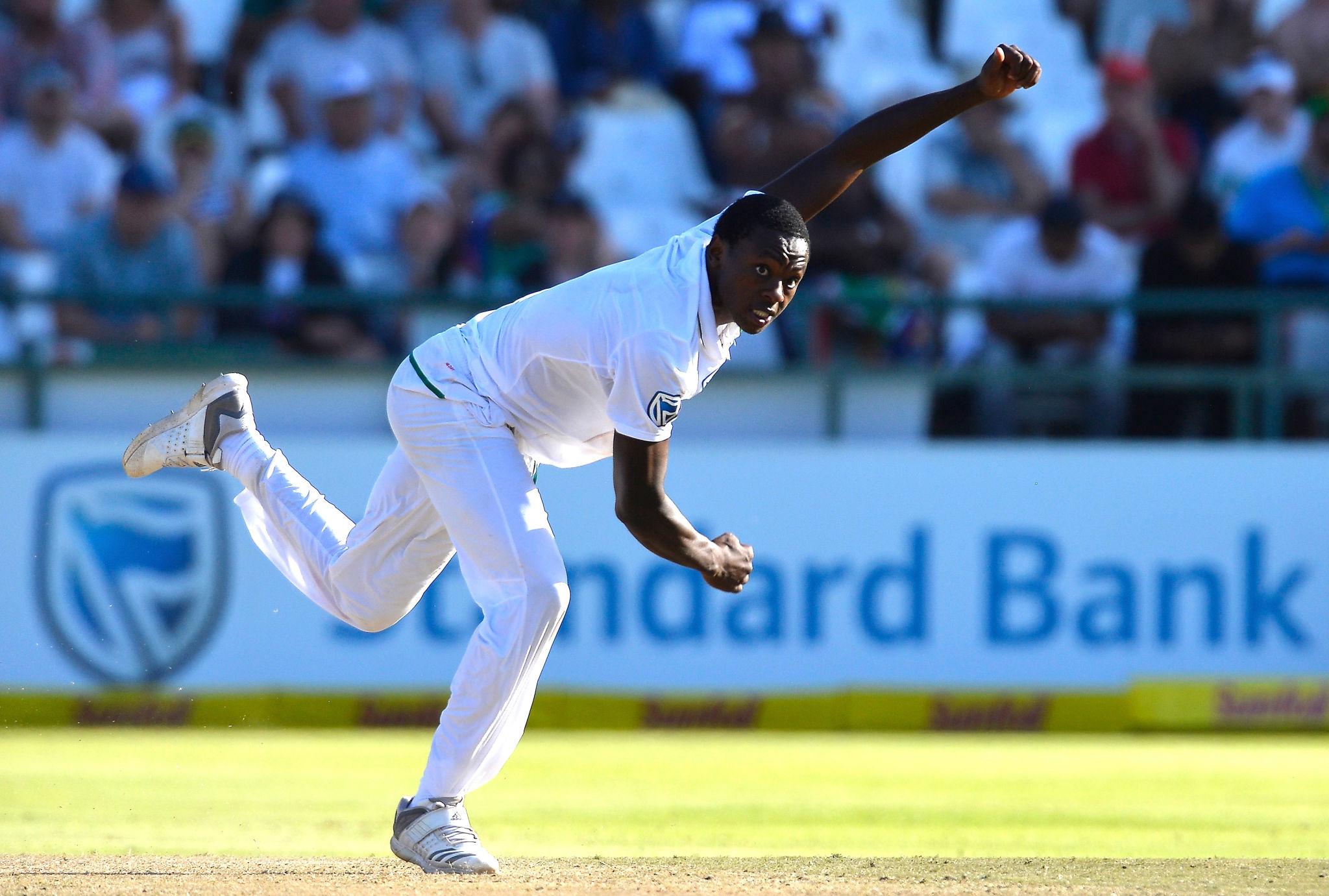
“South Africa are hopeful that fast bowler Kagiso Rabada will return for the second Test against Australia in Gqeberha after the Proteas suffered a 214-run defeat in Durban. Captain Temba Bavuma says Rabada is progressing well, while South Africa consider changes and seek a stronger batting and bowling performance to revive their three-match series.”
Proteas Hope Kagiso Rabada’s Return Can Inspire a Comeback Against Australia After Durban Defeat
South Africa Face a Crucial Test of Character
South Africa’s national cricket team faces an important challenge as it prepares for the second Test against Australia following a disappointing 214-run defeat at Kingsmead in Durban. With the three-match series now tilted in Australia’s favour, attention has turned towards the possible return of fast bowler Kagiso Rabada, whose availability could strengthen the Proteas’ bowling attack and provide a significant boost to the home side.
According to a report published by the International Cricket Council on 14 October 2026, captain Temba Bavuma has indicated that Rabada is progressing well in his recovery from a hamstring injury. The experienced fast bowler is in contention for selection for the second Test, scheduled to begin at St George’s Park in Gqeberha on 18 October.
However, South Africa’s problems extend beyond the absence of one player. The opening Test exposed weaknesses in batting consistency, the ability to capitalise on favourable positions and the determination required to sustain pressure against an experienced opponent. Consequently, the Proteas must address several areas if they are to challenge Australia in the remaining matches.
Rabada’s Potential Return Offers Encouragement
Rabada’s possible return is one of the most significant developments for South African cricket this week. Widely regarded as one of the country’s leading fast bowlers, he brings pace, aggression, experience and the ability to take important wickets under pressure.
The 31-year-old has not played competitive cricket since featuring for Gujarat Titans in the Indian Premier League in May. His absence from the opening Test followed a hamstring injury sustained during training, prompting South Africa’s management to take a cautious approach to his rehabilitation.
Bavuma explained that Rabada’s non-selection in Durban was precautionary, allowing him additional time to recover rather than risking an early return. The captain also indicated that the bowler remained positive around the team environment and was making encouraging progress.
Nevertheless, a possible return does not automatically guarantee selection. The medical team and coaching staff must assess whether Rabada can handle the physical demands of a five-day Test match. Fast bowling places considerable stress on the hamstrings, particularly when players repeatedly accelerate, deliver at high intensity and change direction in the field.
South Africa will therefore need to balance their immediate competitive requirements against the importance of protecting a key player’s longer-term fitness. If Rabada is cleared to play, his presence could improve the attack’s ability to take wickets consistently. If he requires more recovery time, the team must trust its available alternatives.
Australia Expose South Africa’s Batting Problems
The first Test demonstrated how quickly a promising position can become a serious disadvantage. South Africa initially placed Australia under pressure, reducing the visitors to 124 for six. However, the home side could not complete the job, allowing Australia to recover and establish control.
Matt Renshaw played a decisive role in that recovery, producing a substantial first-innings score of 190. His innings helped Australia reach 390, transforming a vulnerable position into a competitive total that placed considerable pressure on South Africa’s batters.
The contrast between the teams was significant. Australia demonstrated patience, composure and the ability to rebuild after losing wickets. South Africa, meanwhile, struggled to turn early opportunities into lasting advantages.
The Proteas’ batting difficulties continued during their second innings, when they were dismissed for 206. Aiden Markram provided the strongest resistance with a determined 75, but he lacked sufficient support from the other batters.
Australia’s Josh Hazlewood delivered a particularly effective performance, taking six wickets for 49 runs in South Africa’s second innings. His disciplined line, control and movement made scoring difficult, while the pressure created by Australia’s attack forced the home batters into mistakes.
The result highlighted a familiar challenge in Test cricket: getting established is valuable, but converting a start into a substantial contribution is often what determines a match.
Selection Decisions Become Increasingly Important
With the second Test approaching, South Africa’s selectors must decide whether to retain the majority of the Durban team or make changes in response to the defeat.
Bavuma has indicated that the team retains confidence in the players who participated in the opening match. Nevertheless, he acknowledged that discussions would take place and that opportunities could arise for players waiting in reserve.
If Rabada is declared fit, Anrich Nortje could be the player most directly affected by the selection decision. Nortje returned to Test cricket in Durban after an extended absence from the format, providing the team with pace and another option in the fast-bowling department.
However, the selectors could also consider other available seamers, including Gerald Coetzee, Corbin Bosch and Dane Paterson. Their choices will depend on fitness, tactical requirements and the conditions expected at St George’s Park.
Batting selection also deserves attention. Ryan Rickelton struggled to make a substantial contribution in Durban, while Tristan Stubbs and wicketkeeper Kyle Verreynne also experienced difficulties against Australia’s bowling attack.
Even so, one disappointing match should not automatically determine a player’s future. Selection requires a broader assessment of technique, preparation, experience and the ability to respond after setbacks.
South Africa must identify the changes most likely to improve performance without undermining confidence across the dressing room.
Lessons From Australia’s Resilience
Australia’s victory was built on contributions from several players rather than one isolated performance. Renshaw’s first-innings recovery was followed by disciplined bowling, with Hazlewood becoming the leading figure during South Africa’s final innings.
The visitors demonstrated the value of remaining patient when a match becomes difficult. Their recovery from 124 for six illustrated the importance of partnerships, particularly when the lower order supports an established batter.
South Africa can learn from that approach. Their bowlers need to maintain pressure after taking early wickets, while the batters must avoid allowing promising starts to end without substantial scores.
Bavuma acknowledged that Australia showed experience and skill when recovering from difficult circumstances. His comments also reflected disappointment with South Africa’s inability to sustain pressure throughout the contest.
For the Proteas, the response must involve more than motivational speeches. The team needs practical improvements in decision-making, shot selection, bowling discipline and communication between players.
Why the Gqeberha Test Matters
The second Test in Gqeberha represents an opportunity for South Africa to restore competitiveness in the series. Scheduled for 18–22 October, the match gives the hosts time to review the Durban performance, assess player fitness and prepare a more effective strategy.
St George’s Park presents a different setting from Kingsmead, and the teams will need to evaluate the conditions before settling on their final combinations. Pitch behaviour, weather and the balance between pace and spin could all influence selection.
South Africa must also consider how best to use their bowling resources. Rabada’s potential availability would offer another experienced fast-bowling option, but the entire attack must contribute. Building sustained pressure requires accurate bowling, effective field placements and partnerships between bowlers who can maintain control across successive overs.
With the bat, the Proteas need to develop partnerships capable of absorbing pressure and changing the direction of the contest. A series comeback would require sustained contributions across both innings rather than relying exclusively on one outstanding individual performance.
Australia, meanwhile, will arrive with confidence after demonstrating its ability to recover from adversity and finish strongly. The visitors will seek to maintain that momentum and put further pressure on South Africa.
A Wider Challenge for South African Cricket
The defeat also raises questions about South Africa’s preparation and consistency in Test cricket. International teams must manage demanding schedules, player injuries and the transition between different formats. These challenges make planning and squad depth increasingly important.
Rabada’s injury illustrates why a team cannot depend entirely on its leading players. South Africa must develop reliable alternatives who can perform when established stars are unavailable.
Equally, the batting unit needs to establish dependable methods for handling high-quality bowling attacks. Technical preparation, patience and the ability to adjust tactics during an innings remain essential characteristics of successful Test players.
The coaching staff will have limited time to address these issues before the next match. Video analysis, training sessions and discussions about individual responsibilities could help the players understand where the Durban performance fell short.
However, improvement ultimately depends on execution in the middle. South Africa must demonstrate that the lessons identified after defeat can translate into better decisions and stronger performances.
Conclusion: The Proteas Need More Than One Return
Kagiso Rabada’s possible return provides South Africa with a reason for optimism ahead of the second Test against Australia. His experience and fast-bowling ability could strengthen the attack, particularly if he is fully fit and ready for the demands of international cricket.
Nevertheless, the Proteas cannot expect one player to resolve every problem exposed in Durban. Their 214-run defeat demonstrated the importance of converting promising positions, building substantial batting partnerships and maintaining pressure when opponents attempt to recover.
Bavuma and the selectors must make careful decisions about player fitness, team balance and possible changes. At the same time, the players must respond with greater consistency and confidence.
The second Test in Gqeberha will offer South Africa an opportunity to show whether they can learn quickly from defeat. A stronger performance could revive the series and restore belief within the squad. Another loss, however, would leave Australia firmly in control.
For now, Rabada’s fitness remains an important storyline, but the larger challenge is collective. South Africa need their experienced players to lead, their batters to deliver substantial contributions and their bowlers to sustain pressure throughout the match. The Proteas’ response will determine whether the Durban defeat becomes a turning point or the beginning of a difficult series.



