




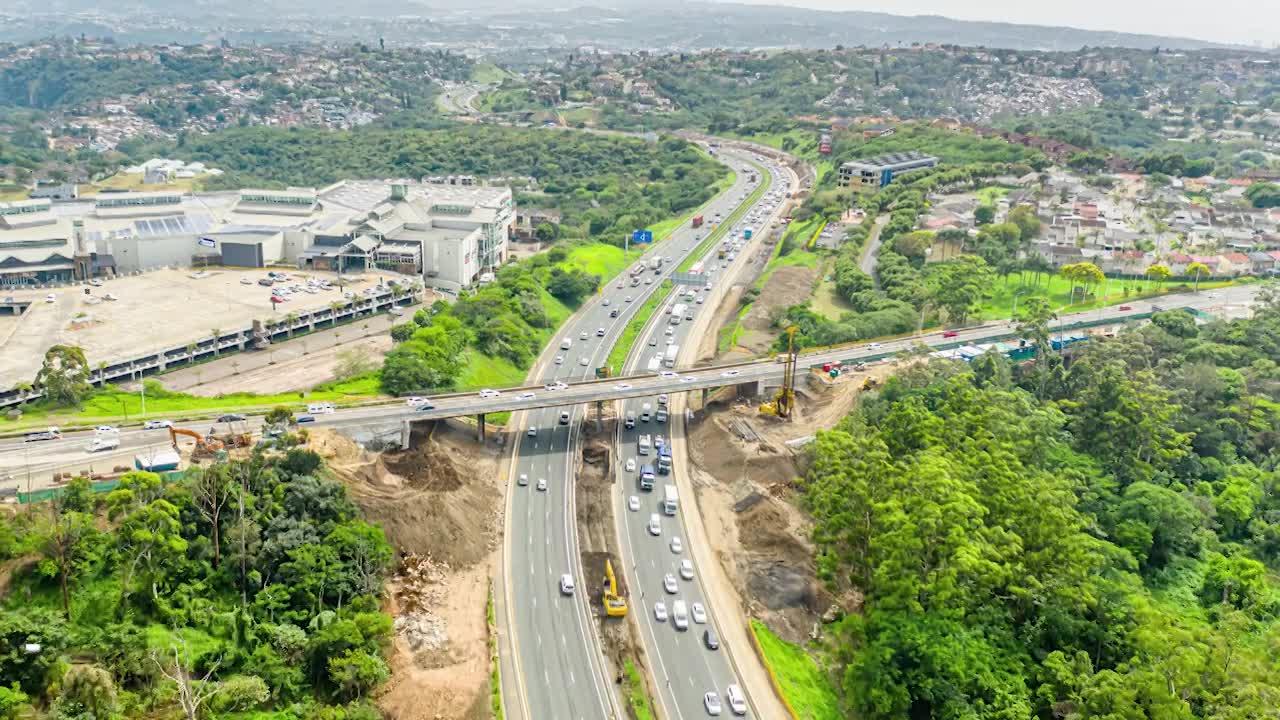
“The South African National Roads Agency (Sanral) reported that irregular expenditure reached R1.094 billion in the financial year ending March 2026, a 100% increase compared with the previous financial year. The agency also awarded just 39 tenders against a target of 250 and spent 59% of its road infrastructure budget against a 73% target, intensifying scrutiny of public procurement, infrastructure delivery and accountability.”
South Africa’s Road Infrastructure Policy Under Pressure as Sanral Reports R1.094 Billion in Irregular Expenditure
Introduction: Public spending and accountability in focus
South Africa’s public infrastructure programme faces renewed scrutiny following the latest financial and operational performance figures reported by the South African National Roads Agency (Sanral). The state-owned agency recorded R1.094 billion in irregular expenditure during the financial year ending March 2026, representing a 100% increase compared with the previous financial year. At the same time, its procurement performance fell significantly short of its targets, raising questions about how effectively public institutions convert approved budgets into road maintenance, construction projects and economic opportunities.
The figures are important for business policy because government procurement influences private-sector investment, contractor participation, employment and the delivery of essential infrastructure. Road networks support freight transportation, tourism, manufacturing, agriculture and retail distribution. Consequently, delays in awarding contracts or implementing infrastructure projects can affect companies well beyond the construction sector.
Sanral’s reported performance therefore highlights a broader policy challenge: how to ensure that public money is spent lawfully, efficiently and transparently while maintaining the pace of infrastructure investment needed to support economic growth.
Irregular expenditure raises questions about procurement controls
According to Moneyweb’s report by Roy Cokayne, Sanral’s irregular expenditure reached R1.094 billion in the 2025/26 financial year. However, the agency’s management explained that this total includes expenditure associated with earlier financial periods that was assessed and formally confirmed during the latest reporting year. The increase should therefore not automatically be interpreted as evidence that the entire amount arose from new procurement failures during 2025/26.
Sanral’s explanation highlights an important distinction in public financial management. Irregular expenditure can relate to transactions that do not comply with applicable legislation, procurement rules or approved procedures. Identifying such expenditure does not, by itself, establish that every transaction involved fraud, corruption or financial loss.
Nevertheless, significant irregular expenditure requires investigation, corrective action and transparent reporting. Where past transactions remain unresolved, the organisation’s financial statements can continue reflecting historical problems long after the underlying contracts were entered into.
For policymakers, the priority is therefore twofold: preventing new instances of non-compliance and resolving older cases through credible investigation and appropriate legal or administrative processes.
Sanral’s acting chief executive, Lehlohonolo Memeza, told Parliament’s portfolio committee on transport that management was implementing reforms in supply-chain management. These included stronger oversight of high-risk projects, changes to the role of consultants in procurement and more proactive assurance checks on major tenders.
The effectiveness of these reforms will depend on whether they produce measurable improvements in procurement compliance, contract administration and accountability.
Tender performance falls far short of expectations
One of the most striking figures in the report is Sanral’s procurement performance. The agency awarded 39 tenders against a target of approximately 250, reflecting a substantial shortfall in the number of contracts awarded during the financial year.
This matters because procurement is the mechanism through which infrastructure plans become actual projects. Before construction can proceed, public agencies must prepare specifications, assess bids, verify compliance, evaluate prices and award contracts through the appropriate procedures.
When these processes are delayed, contractors may wait longer for work, planned projects may be postponed, and infrastructure budgets may remain unspent. Small and medium-sized enterprises can be particularly vulnerable because they often have limited cash reserves and depend on predictable contract opportunities.
However, awarding more tenders should not become the only measure of success. Procurement targets must be balanced with fair competition, appropriate technical standards, transparent evaluation and sound financial controls. A rushed tender process can create legal disputes, expose the state to additional costs and undermine confidence in public administration.
Sanral’s challenge is to improve both the speed and quality of procurement. Clear project preparation, realistic timetables, properly staffed evaluation committees and early legal review could help reduce avoidable delays without weakening accountability.
Road infrastructure spending misses its target
Sanral reportedly spent 59% of its road infrastructure budget against a target of 73%. Despite the shortfall, the agency directly spent approximately R21 billion on road infrastructure through capital expenditure, representing a 16% improvement on the previous year.
These figures demonstrate why business policy requires a balanced assessment of public-sector performance. The increase in capital expenditure indicates that substantial resources continued flowing into infrastructure. Nevertheless, the difference between actual and targeted spending raises questions about project readiness, procurement bottlenecks and implementation capacity.
Under-spending does not automatically mean that money has disappeared or that every delayed project is unnecessary. It can arise from tender disputes, design changes, contractor capacity constraints, regulatory approvals or other obstacles. Each cause requires a different response.
Where procurement delays are responsible, administrative processes may need improvement. Where disputes concern unlawful awards, stronger compliance and better tender design may be necessary. Where contractors cannot meet their obligations, contract management and performance monitoring may require attention.
The policy objective should be to identify the causes of under-spending rather than focus exclusively on the final percentage.
Court challenges underline the importance of lawful procurement
The reported difficulties in procurement must also be considered against the wider legal environment governing infrastructure contracts.
Moneyweb reported that Sanral had achieved 25,024 kilometres of routine road maintenance against a target of 26,214 kilometres, equivalent to 95.5% of its target. Management attributed the shortfall partly to problems with a maintenance contractor panel that had been challenged in court and subsequently set aside. Sanral later abandoned that panel arrangement and returned to an open-tender approach for routine maintenance and engineering consultants.
The episode illustrates a central principle of business policy: public procurement decisions must be legally defensible as well as operationally efficient.
A procurement arrangement may be designed to simplify administration or consolidate suppliers, but those objectives cannot override the rules governing lawful public expenditure. If an award is successfully challenged, the resulting delay can disrupt maintenance schedules, affect contractors and force an agency to repeat parts of the procurement process.
Open competition can broaden access to public contracts, although it also requires adequate administrative capacity to evaluate bids fairly and manage a larger number of suppliers.
For infrastructure agencies, the lesson is to identify legal and operational risks before a tender is issued. Transparent specifications, defensible evaluation criteria, documented decisions and appropriate oversight can reduce the likelihood of costly disputes.
Historical expenditure and consequence management
Sanral’s finance leadership indicated that much of the reported irregular expenditure relates to historical matters. Chief financial officer Nozipho Makukule said R696.754 million, or 63.7% of the total, related to matters that had been under assessment in earlier periods and were confirmed in the 2025/26 financial year. A further R373.218 million, or 34.1%, related to newly identified contracts confirmed during that reporting year.
These figures make the distinction between historical accounting recognition and the date of the original transaction particularly important.
Management said it was accelerating assessments, investigations, consequence management and corrective action. It was also processing matters for possible condonation or write-offs where the relevant requirements were met.
Such processes must be handled carefully. A write-off or condonation decision should follow applicable rules and must not be treated as a substitute for investigating suspected wrongdoing. Equally, cases should not remain unresolved indefinitely because slow administrative processes can weaken accountability and complicate financial reporting.
Effective consequence management requires clear responsibility, consistent procedures and evidence-based decisions. Where misconduct is established, appropriate action should follow. Where a transaction can lawfully be regularised, the reasons and supporting documentation should be recorded.
For Parliament and other oversight bodies, meaningful scrutiny will require updates on the status of investigations, the implementation of corrective measures and the resolution of outstanding cases.
Economic implications for businesses and workers
Sanral’s procurement performance has implications for companies that depend on public infrastructure spending.
Construction contractors, engineering consultancies, equipment suppliers, materials producers and specialist service providers rely on a pipeline of projects to plan staffing, purchase equipment and manage cash flow. Unpredictable procurement schedules can make it harder to retain skilled employees and invest in new capacity.
Road infrastructure also affects businesses that are not direct government suppliers. Better-maintained roads can reduce vehicle operating costs, improve delivery reliability and support access to markets. Conversely, delays in essential maintenance can increase transport costs and expose logistics operators to disruptions.
Sanral reported creating 22,015 work opportunities in 2025/26, up from 21,360 in the previous financial year. It also reported supporting 2,023 small, medium and micro enterprises, a modest increase compared with the previous year.
These results show that infrastructure spending can support employment and business participation even when some performance targets are missed. However, the long-term policy question is whether projects are selected, procured and delivered in a way that maximises economic value while protecting public funds.
Transparent procurement and consistent contract management can help qualified businesses compete on fair terms. They can also improve confidence among investors who assess the reliability of South Africa’s infrastructure institutions.
Spending pressures and the need to protect core services
Sanral’s total expenditure reportedly increased by 14.4%, from R29.4 billion to R33.6 billion. Road repairs and maintenance rose by 26.8%, from R17.7 billion to R22.5 billion, accounting for approximately 67% of total expenditure. Meanwhile, the agency’s accounting surplus declined from R10.7 billion to R2.4 billion, reflecting the combined effects of lower government grant funding and increased spending on road maintenance.
These figures underline the financial pressures associated with maintaining a national road network.
Road maintenance is not merely an administrative expense. It helps protect existing public assets, supports safe travel and can reduce the need for more expensive reconstruction later. Yet maintenance budgets must still be managed through credible procurement processes and appropriate performance controls.
Sanral’s cash and equivalents balance at the end of the financial year was reported at R39 billion, although management said the amount was fully committed because tenders had already been awarded against those funds.
That distinction matters when assessing financial capacity. A reported cash balance should not automatically be interpreted as money available for new projects, since existing contractual commitments may already account for the funds.
Policymakers and investors should therefore examine not only headline financial balances but also contractual obligations, project delivery schedules, spending patterns and the quality of financial oversight.
What government and oversight bodies should prioritise
The figures reported by Sanral point to several practical priorities for public-sector business policy.
First, procurement plans should be realistic and supported by projects that are ready to proceed. Agencies need clear technical specifications, completed preparatory work and sufficient evaluation capacity before issuing tenders.
Second, oversight must focus on both compliance and delivery. A procurement system that prevents unlawful spending but cannot award contracts efficiently will struggle to deliver infrastructure. Conversely, a system that awards contracts quickly without adequate safeguards can expose taxpayers to litigation, losses and poor-quality work.
Third, reporting should distinguish new irregular expenditure from historical cases confirmed in the current financial year. This would help oversight bodies identify whether reforms are preventing fresh problems or merely addressing older ones.
Fourth, management should establish clear deadlines for investigations and corrective action, while respecting due process. Regular reporting on unresolved cases would make it easier for Parliament and the public to assess progress.
Finally, agencies should evaluate procurement performance against outcomes, not just the number of tenders awarded. Relevant measures include the quality of completed roads, maintenance coverage, project completion times, expenditure compliance and the participation of capable smaller businesses.
These measures would help ensure that public infrastructure policy delivers value while maintaining the integrity of government spending.
Outlook: Rebuilding confidence through measurable results
Sanral’s reported figures present a mixed picture. The agency increased direct road infrastructure capital expenditure by 16%, exceeded some of its operational targets and expanded reported employment opportunities. At the same time, irregular expenditure rose sharply, tender awards fell well below target and infrastructure spending missed its planned level.
The immediate policy challenge is to turn the agency’s stated procurement reforms into measurable improvements. That means resolving historical cases, preventing new compliance failures and reducing avoidable delays without compromising competition or legal requirements.
For South Africa’s broader business environment, the stakes extend beyond one state-owned agency. Reliable infrastructure supports private investment, lowers operating costs and helps businesses connect producers with customers. When public procurement works effectively, it can create opportunities for contractors, support employment and improve the productive capacity of the economy.
However, those benefits depend on public institutions demonstrating that budgets are managed responsibly and that procurement decisions are transparent, lawful and timely.
Sanral’s next reporting periods will therefore be important indicators of whether its reforms are taking effect. Improvements in tender performance, infrastructure expenditure and the resolution of irregular expenditure cases would provide evidence of progress. Continued delays or unresolved historical matters would reinforce concerns about the effectiveness of public-sector financial management.
Conclusion
Sanral’s R1.094 billion irregular-expenditure figure and its shortfall in tender awards place public procurement and infrastructure governance firmly on South Africa’s business-policy agenda.
The figures do not, on their own, establish that all irregular expenditure represents fraud or a new financial loss. They do, however, demonstrate the importance of stronger controls, timely investigations, transparent reporting and better coordination between procurement planning and infrastructure delivery.
The central lesson for policymakers is that accountability and efficiency must work together. South Africa needs procurement systems that protect public money while enabling qualified contractors to deliver essential infrastructure on schedule.
Ultimately, restoring confidence will require more than announcing reforms. It will require evidence that irregular expenditure is being resolved, procurement targets are becoming achievable and infrastructure budgets are translating into completed projects that benefit businesses, workers and communities.



