




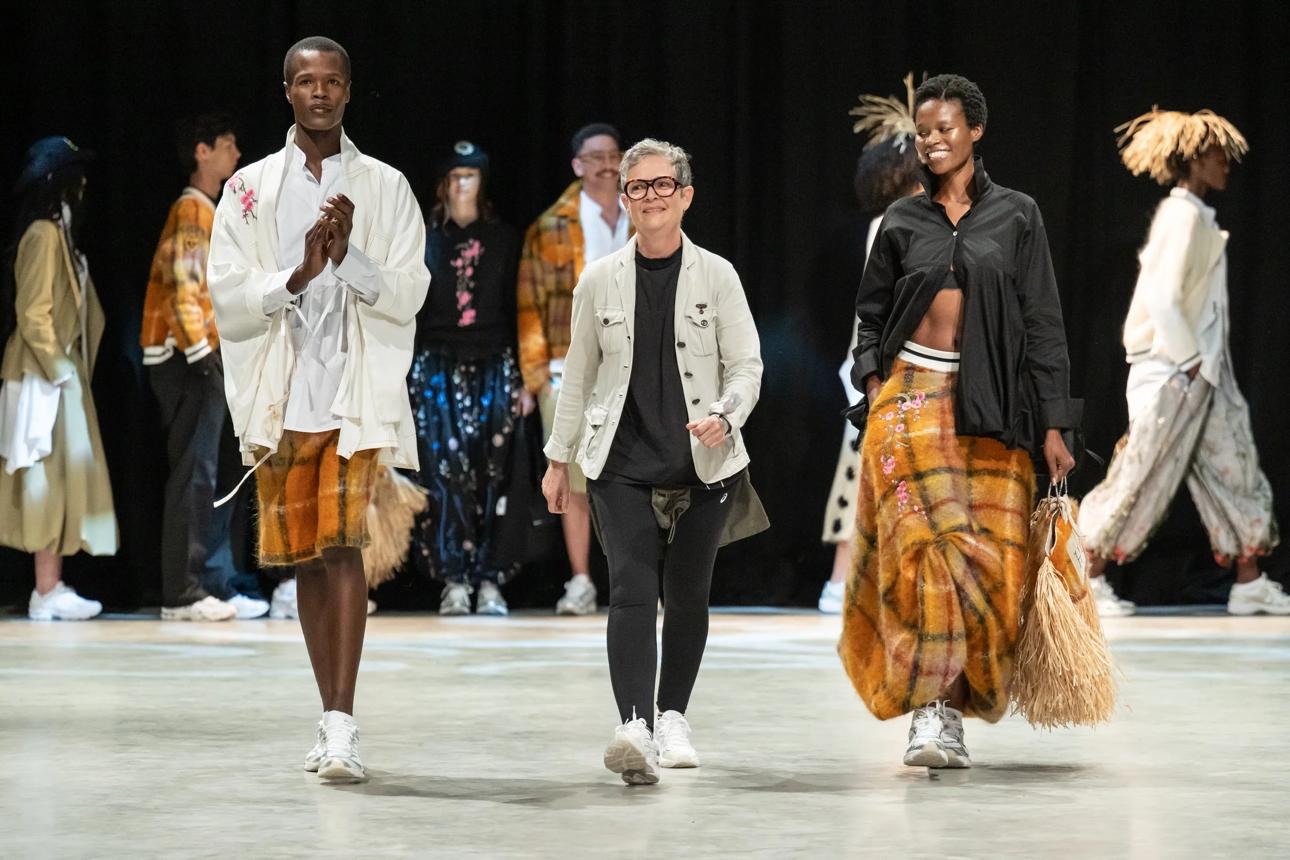
“The 2026 South Africa Fashion Awards have placed South African fashion design and the wider creative industry firmly in the spotlight, recognising designers, emerging talent, sustainable brands, streetwear, footwear and major fashion campaigns. The awards also demonstrate how local fashion is increasingly connected to retail, e-commerce, entrepreneurship, technology, marketing and international ambitions.”
South Africa’s fashion design industry is receiving renewed attention following the second annual South Africa Fashion Awards, an event that has brought together designers, brands, retailers, photographers, models, stylists and other creative professionals. The 2026 awards, held on Saturday, 3 October at Hotel Sky in Sandton, Johannesburg, were reported on 6 October as a major celebration of the country’s evolving fashion ecosystem.
The significance of the event extends beyond the presentation of trophies. Fashion design in South Africa is increasingly becoming a meeting point for creativity, entrepreneurship, manufacturing, digital commerce, cultural identity and commercial opportunity. The latest awards provide a snapshot of that changing landscape, while also highlighting designers and brands that are building recognisable identities within an increasingly competitive market.
Presented across more than 20 categories, the South Africa Fashion Awards recognised achievements across fashion design, emerging design, styling, modelling, photography, retail, e-commerce, sustainable fashion, jewellery, streetwear, footwear and fashion campaigns. The awards were determined through public voting, giving consumers an important role in deciding which creative names and brands received recognition.
One of the central design-related recognitions went to Palesa Mokubung, who was named Best Fashion Designer. Her recognition places established South African design talent at the centre of the national conversation about the future of fashion. At the same time, Tebogo Selebi was recognised as Best Emerging Fashion Designer, signalling the industry’s continued interest in identifying and supporting designers at earlier stages of their careers.
The distinction between established and emerging designers is particularly important for South Africa’s fashion industry. New designers often enter the sector with limited financial resources, smaller production networks and less access to major retailers or international markets. Recognition can therefore provide more than publicity. It can strengthen credibility, attract collaborations and help emerging creative businesses gain the attention of customers, media organisations, retailers and potential investors.
The importance of emerging design was also reflected in coverage of Thakazelwa Mhlomi, designer and creative director of Msaba Emporium, who was nominated for Best Emerging Fashion Designer. Mhlomi described fashion as something deeply connected to the women who raised her, particularly their basket weaving and crocheting traditions. Her story demonstrates how South African fashion design can develop from personal history, family knowledge and traditional creative practices.
This connection between fashion and cultural identity remains one of the strongest characteristics of South African design. Designers are increasingly exploring ways of incorporating local craftsmanship, fabrics, patterns, techniques and stories into contemporary garments without restricting African fashion to traditional interpretations.
The country’s designers have also demonstrated that local design can compete on international platforms. Earlier in the month, MaXhosa Africa made its debut on the official Paris Fashion Week schedule, while other South African designers presented work through independent Paris showcases. Laduma Ngxokolo’s MaXhosa collection reportedly featured 54 looks and expanded the brand’s signature knitwear language through materials including silk, chiffon, organza, organdy and cotton.
That international presence provides important context for the South Africa Fashion Awards. Local fashion design is no longer simply about creating garments for a domestic audience. South African designers are increasingly thinking about global consumers, international fashion calendars, export opportunities, African manufacturing and the ability to communicate distinctive cultural perspectives through contemporary design.
Manufacturing is particularly important in that conversation. Ngxokolo has emphasised the importance of African production, saying that a large proportion of MaXhosa Africa’s products are manufactured in-house. His comments highlight one of the industry’s biggest opportunities: demonstrating that African fashion can produce high-quality products while creating jobs and developing local skills.
The South Africa Fashion Awards also showed how design operates within a much larger commercial ecosystem. Woolworths won both Best Fashion Retailer and Best Fashion E-Commerce Brand, demonstrating the increasingly close relationship between physical retail, digital shopping and fashion discovery.
For designers, this relationship is becoming increasingly important. A strong design can attract attention, but successful fashion businesses also need distribution, marketing, e-commerce infrastructure and customer engagement. The growth of online shopping means that consumers can discover local brands through websites, social media and digital campaigns before ever entering a physical store.
The recognition of the Foschini × Rich Mnisi collaboration as Fashion Campaign of the Year further demonstrates the commercial potential of partnerships between major retailers and South African designers. Such collaborations can give designers access to large audiences while allowing established retailers to strengthen their connection with local creative culture.
Meanwhile, the recognition of GALXBOY as Best Streetwear Brand illustrates another important development in South African design. Streetwear has become a powerful form of cultural expression, particularly among younger consumers. It allows designers to combine fashion with music, art, sport, urban identity and youth culture.
Meraki Jewellery Design and Veldskoen Shoes were also recognised, showing that the country’s design economy extends beyond clothing. Jewellery, footwear and accessories are important parts of the fashion value chain and provide opportunities for designers to build specialised brands around craftsmanship and distinctive product identities.
Sustainability was another significant component of the awards. Something Good Studio received the Best Sustainable Fashion award, reflecting the growing importance of responsible production and consumption within the industry.
Sustainable fashion is becoming increasingly relevant because designers and consumers are confronting questions about waste, materials, production practices, durability and the environmental impact of clothing. South African designers have an opportunity to approach these challenges through local production, upcycling, craft techniques, responsible materials and longer-lasting products.
The wider sustainable-fashion movement is also growing. The 2026 Twyg Sustainable Fashion Awards, for example, introduced categories covering artisanal fashion, emerging designers, fashion innovation and Pan-African fashion. These categories demonstrate how sustainability is expanding beyond environmental concerns to include craftsmanship, social responsibility, cultural heritage and innovation.
Technology and digital commerce are likely to become even more important to South African fashion design. Designers can now use social media to build audiences, digital platforms to sell products and online campaigns to reach customers beyond their immediate geographic markets. This can reduce some traditional barriers to market entry, although designers still face challenges involving production capacity, logistics, financing and consistent quality.
The awards also recognised the creative professionals working behind the scenes. Fuaad Abdool won Best Fashion Photographer, while other categories recognised stylists, makeup artists, hairstylists, models and fashion executives.
This broader recognition is important because fashion is not created by designers alone. A successful collection requires photographers to create visual identities, stylists to construct narratives, models to communicate the garments, marketers to reach audiences and retailers to bring products to consumers. Fashion design therefore functions as part of a wider creative economy.
The 2026 awards ultimately present South African fashion as an industry that is becoming more interconnected. Design, retail, e-commerce, sustainability, streetwear, photography, entrepreneurship and brand collaboration are increasingly operating together rather than as isolated sectors.
For established designers, the challenge will be to maintain distinctive identities while expanding commercially. For emerging designers, the opportunity is to build brands that combine creativity with sound business models. For retailers, collaborations with local designers can provide cultural relevance and fresh product ideas. For consumers, the expanding ecosystem creates more opportunities to discover and support South African creative talent.
The international achievements of South African designers, together with the recognition taking place at home, suggest that the country’s fashion industry is entering an important period of development. The emphasis is shifting from simply producing clothing to building sustainable, recognisable and commercially viable creative businesses.
The South Africa Fashion Awards therefore matter not only because they celebrate winners, but because they create a public platform for discussing what South African fashion can become. With designers, retailers, entrepreneurs, photographers, models and creative businesses increasingly connected to international markets, the country’s fashion design sector has an opportunity to transform creative talent into long-term economic and cultural influence.
The 2026 edition has made one message particularly clear: South African fashion design is no longer operating on the margins. It is becoming a dynamic part of the country’s creative economy, combining local identity with commercial ambition, digital innovation and growing international visibility.



