




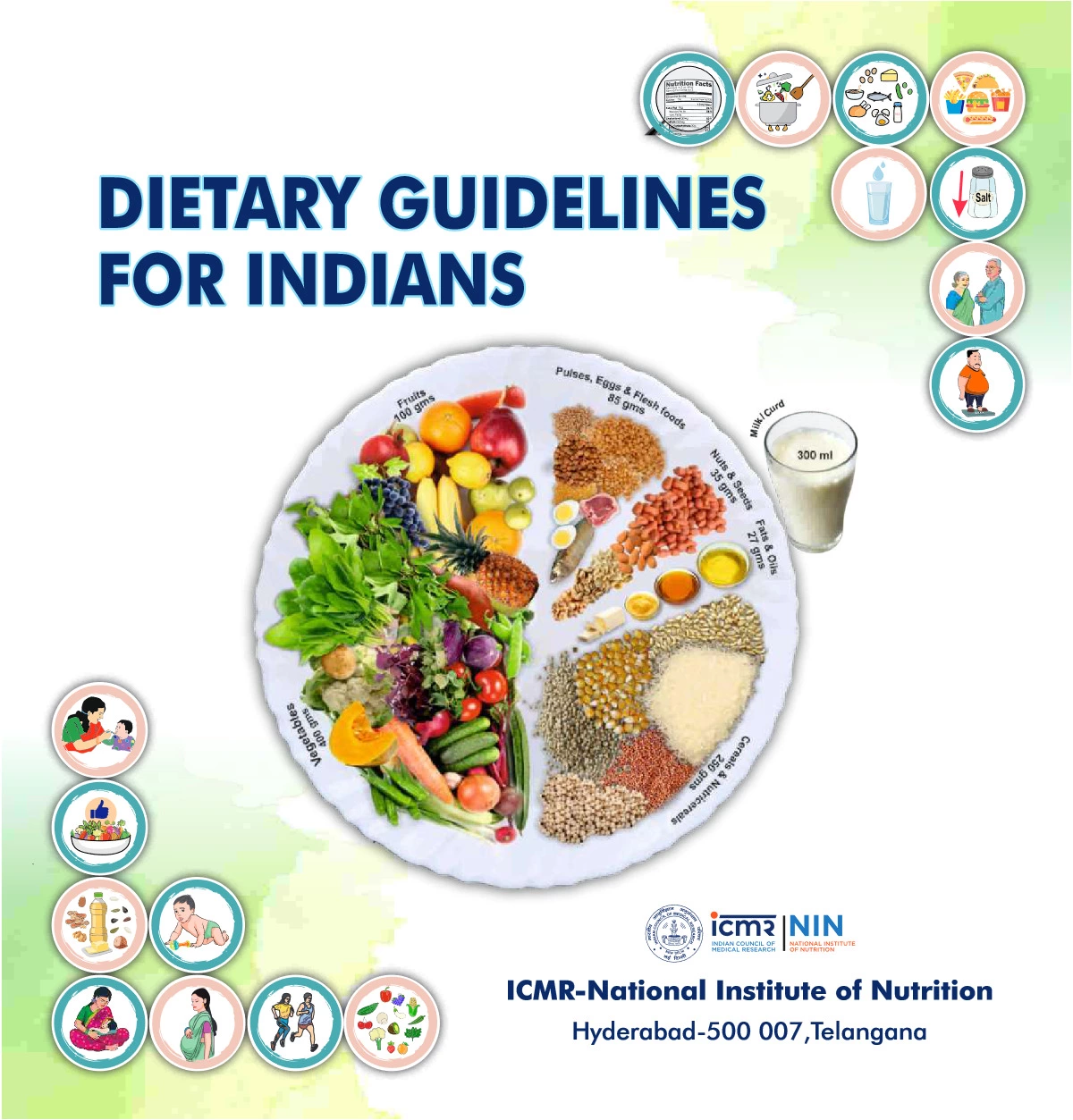
“South Africa has unveiled updated National Dietary Guidelines and declared fitness and lifestyle medicine as national health priorities to combat rising non-communicable diseases and mental health challenges. The policy integrates wellness into healthcare, schools, and communities, emphasizing balanced diets, physical activity, and resilience training.”
South Africa has reached a pivotal milestone in its public health journey. At the Wellness Collective Summit 2026 in Midrand, Gauteng, policymakers, health experts, and community leaders unveiled updated National Dietary Guidelines and declared fitness and lifestyle medicine as national priorities. This bold move signals a paradigm shift: wellness is no longer viewed as a personal choice but as a cornerstone of national policy.
The Health Crisis
South Africa faces a dual burden of disease:
- Non-communicable diseases (NCDs): Diabetes, hypertension, obesity, and mental health disorders are rising sharply.
- Infectious diseases: HIV and tuberculosis remain pressing challenges.
This combination strains the healthcare system and undermines economic productivity, making preventive strategies essential.
Why Fitness Matters
The summit emphasized that movement is medicine. Regular physical activity reduces risks of cardiovascular disease, diabetes, and obesity, while also improving mental health and resilience. Alarmingly, more than one in three citizens fail to meet minimum activity guidelines, with inactivity linked to 51% of deaths nationwide.
Policy Integration
The declaration embeds wellness into multiple sectors:
- Healthcare systems: Doctors will prescribe exercise alongside medication.
- Schools: Physical education will be prioritized, with curricula promoting lifelong activity.
- Communities: Local fitness hubs, parks, and wellness centers will be expanded.
This integration ensures that wellness becomes a nationally supported lifestyle, not just an individual responsibility.
Nutrition and Mental Health
The updated dietary guidelines emphasize:
- Balanced diets rich in whole foods, fruits, and vegetables.
- Stress management programs to reduce anxiety and depression.
- Resilience training to strengthen mental health.
This holistic approach recognizes that wellness is multi-dimensional, combining physical, nutritional, and psychological well-being.
Community-Based Programs
Community leaders showcased innovative models:
- Township fitness clubs offering affordable exercise options.
- Women’s health initiatives focusing on maternal wellness and empowerment.
- Youth engagement programs using sports to reduce crime and substance abuse.
These grassroots efforts highlight how policy can translate into tangible community benefits.
Economic and Social Impact
The government’s move is expected to reduce healthcare costs by lowering the incidence of chronic diseases. Improved public health will also enhance productivity, reduce absenteeism, and strengthen social cohesion. By embedding wellness into national policy, South Africa is positioning itself as a leader in preventive healthcare in Africa.
Expert Opinions
Health Minister Aaron Motsoaledi emphasized that “wellness is the foundation of a resilient nation.” Experts argue that this policy could serve as a model for other African countries grappling with similar health challenges.
Challenges Ahead
Despite the ambitious vision, challenges remain:
- Ensuring equitable access to fitness facilities in rural areas.
- Overcoming cultural barriers to dietary change.
- Securing sustainable funding for community-based programs.
Addressing these hurdles will be critical to the success of the initiative.
Conclusion
South Africa’s declaration of fitness and lifestyle medicine as national priorities represents a transformative step in healthcare policy. By integrating wellness into healthcare, education, and community life, the country is tackling its health crisis head-on. The updated dietary guidelines and holistic approach to wellness mark the beginning of a new era in public health—one where prevention, resilience, and community empowerment take center stage.



