




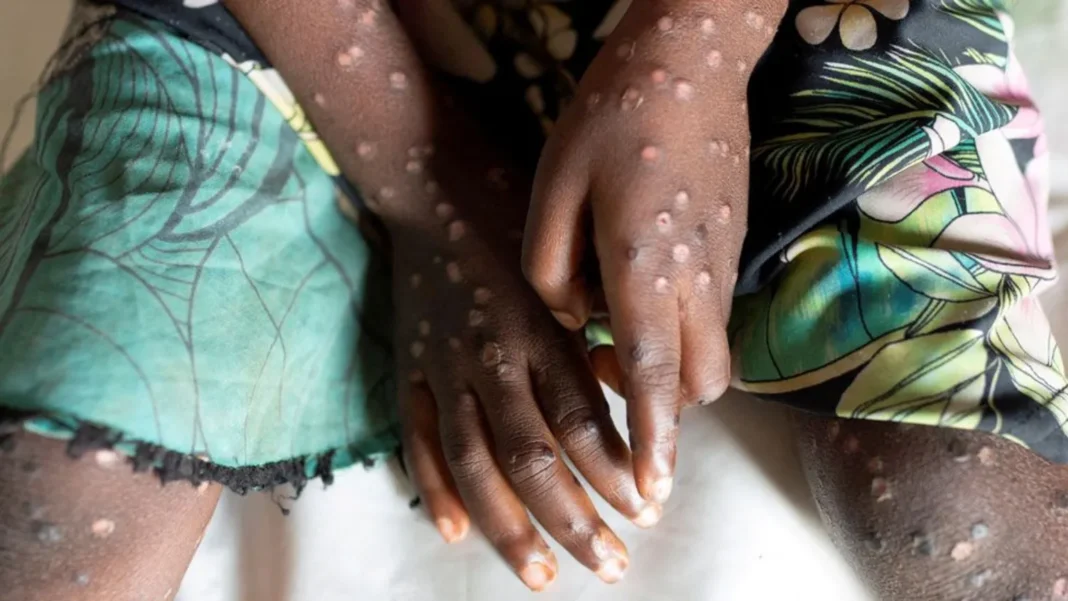
“South Africa’s Department of Health has confirmed 22 laboratory‑verified mpox cases, with 18 concentrated in the Western Cape, three in Gauteng, and one in KwaZulu‑Natal. Health officials are intensifying surveillance, urging symptomatic individuals with exposure history to seek medical care promptly.”
Mpox, a viral zoonotic disease that has re‑emerged globally in recent years, is now firmly on South Africa’s public health radar. The Western Cape has become the epicenter of the country’s outbreak, with 18 confirmed cases out of a national total of 22. This development has raised concerns among health authorities, epidemiologists, and the public, as the disease’s transmission clusters appear to be expanding in Cape Town.
National Case Distribution
- Western Cape: 18 cases (82% of national total)
- Gauteng: 3 cases
- KwaZulu‑Natal: 1 case
- Demographics: 21 male patients, 1 female; ages 23–50, median age 38
The rapid increase in Western Cape cases—from 15 on September 17 to 18 by September 22—illustrates the dynamic nature of the outbreak.
Imported and Local Transmission
The Department of Health confirmed that several cases were linked to international travel, including a 47‑year‑old Cape Town resident who had recently visited Spain. Two additional imported cases involved German and Norwegian nationals. These imported infections highlight the global interconnectedness of mpox transmission and the importance of border health surveillance.
Symptoms and Public Guidance
Mpox symptoms include:
- Fever, headache, muscle aches, back pain, fatigue
- Rash or lesions on the face, hands, feet, genitals, or other body areas
Authorities urge anyone with symptoms following close contact with a confirmed case to seek medical attention immediately and disclose exposure history to healthcare providers.
Government and Institutional Response
- Enhanced Surveillance: NICD and WHO are collaborating with South Africa’s Department of Health.
- Contact Tracing: Focused on Cape Town clusters.
- Public Awareness: Campaigns to educate communities about symptoms and prevention.
- Healthcare Mobilization: Hospitals and clinics are on alert for suspected cases.
Risks and Challenges
- Stigma: Mpox has been associated with specific social groups, risking discrimination.
- Healthcare Burden: South Africa’s health system already faces strain from HIV, TB, and other infectious diseases.
- Public Cooperation: Authorities stress that early detection and community cooperation are critical to halting spread.
International Context
Globally, mpox outbreaks have been reported across Europe, North America, and Africa. South Africa’s rising numbers mirror patterns seen elsewhere, where localized clusters can quickly escalate without robust surveillance.
Preventive Measures
- Avoid close contact with symptomatic individuals.
- Practice good hygiene and safe sexual health practices.
- Report suspected cases promptly.
- Support public health campaigns to reduce stigma and misinformation.
Conclusion
The Western Cape’s surge in mpox cases underscores the urgency of coordinated health responses. With 22 confirmed infections nationwide, South Africa stands at a critical juncture: either contain the outbreak through vigilance and cooperation, or risk wider transmission across provinces. The Department of Health’s proactive measures—surveillance, contact tracing, and public education—will determine the trajectory of this outbreak in the weeks ahead.



