




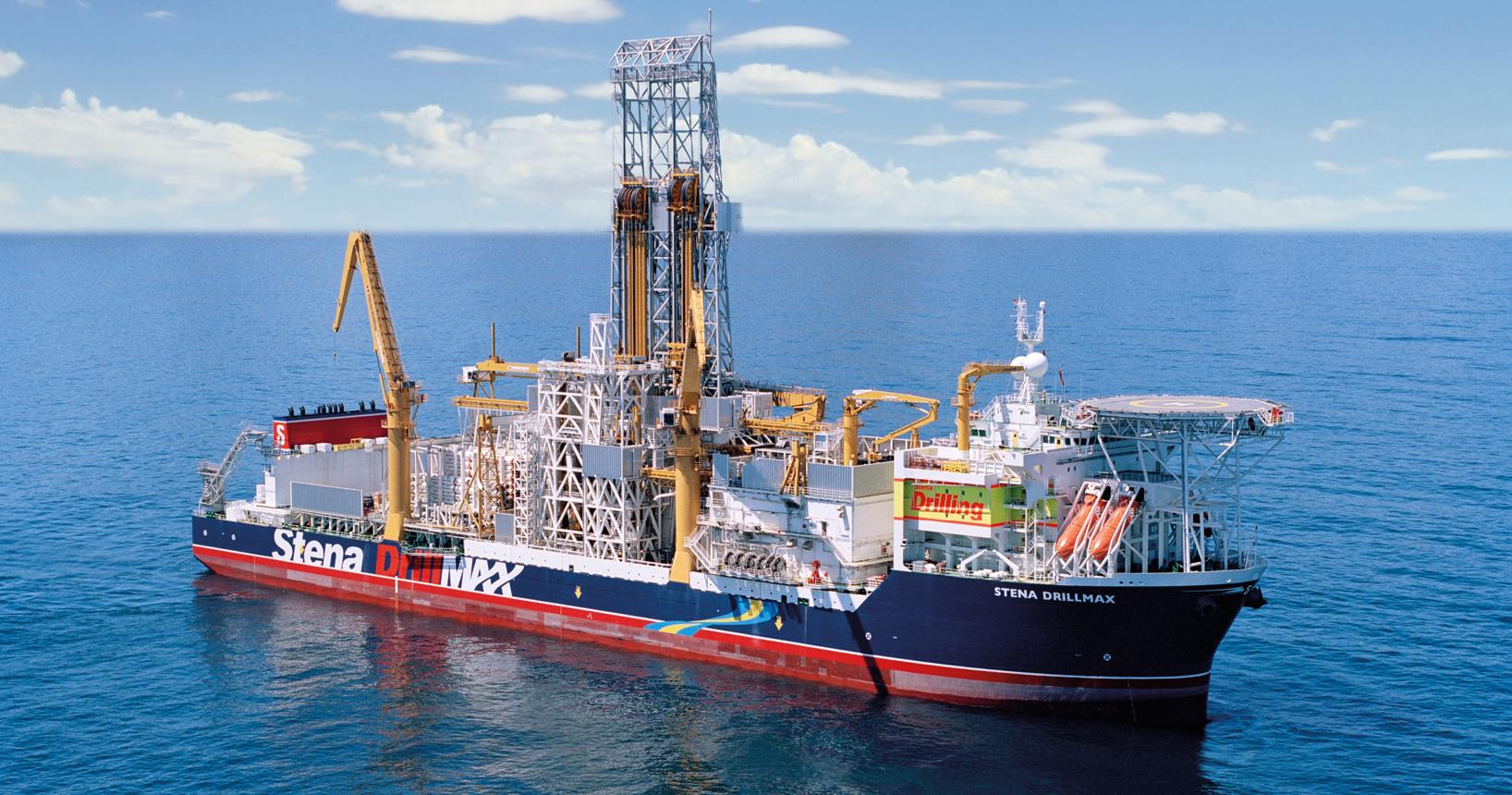
“South Africa’s environment minister has dismissed appeals from 47 individuals and environmental organisations challenging the environmental authorisation for exploration in TotalEnergies-operated Block 3B/4B off the country’s West Coast, allowing the exploration process to move forward subject to applicable requirements. The decision has intensified concerns about marine ecosystems, coastal livelihoods and environmental oversight, while the government and energy companies face the challenge of balancing potential economic benefits against the need to protect ocean biodiversity.”
South Africa’s offshore exploration decision raises environmental questions over marine protection and energy development
South Africa’s decision to dismiss environmental appeals against offshore exploration in Block 3B/4B has placed marine conservation, energy security and environmental governance at the centre of a renewed national debate. The decision, reported by Reuters on 16 October 2026, concerns an exploration area off the country’s West Coast where energy companies are pursuing opportunities linked to the region’s potential oil and gas resources.
The ruling represents an important development for the future of offshore exploration. However, it does not settle the scientific questions surrounding potential environmental impacts, nor does it remove the need for effective monitoring, regulatory oversight and responsible decision-making as activities proceed.
Environmental appeals dismissed as exploration plans advance
According to Reuters, Environment Minister David Maynier dismissed appeals challenging an environmental authorisation associated with exploration in Block 3B/4B. The decision was dated 13 October and was reported by the news agency on 16 October 2026.
The appeals involved 47 individuals and environmental organisations, including Greenpeace Africa. They sought to overturn an authorisation connected to a 2024 decision by the Department of Mineral and Petroleum Resources permitting up to five exploration wells in the block.
The authorisation was granted to Africa Oil SA Corp, Ricocure and Azinam. TotalEnergies and QatarEnergy subsequently acquired participating interests in the project.
Maynier dismissed the appeals but imposed conditions relating to grounds concerning assessments of food security and coastal community livelihoods. Under South African law, parties dissatisfied with the decision can apply for judicial review.
This distinction is important. Dismissing an administrative appeal does not establish that every potential environmental risk has disappeared. Instead, the decision allows the project to proceed within the applicable authorisation framework, while questions concerning compliance, environmental safeguards and possible legal challenges remain relevant.
Why Block 3B/4B matters
Block 3B/4B lies off South Africa’s West Coast, within the broader offshore region associated with the Orange Basin, an area attracting considerable interest from oil and gas exploration companies.
Exploration generally seeks to establish whether commercially viable petroleum resources exist beneath the seabed. Depending on geological conditions and project design, activities can include seismic surveys, vessel operations, drilling and the collection of geological samples.
These activities differ from full-scale commercial production. Exploration does not automatically mean that an economically recoverable discovery will be made, that production will receive approval, or that extraction will begin.
Nevertheless, exploration can create environmental pressures that deserve careful evaluation. The scale of those pressures depends on the methods used, the location of operations, the duration of activities, the sensitivity of nearby habitats and the effectiveness of protective measures.
For South Africa, the question is therefore not simply whether offshore resources exist. It is whether investigating and potentially developing those resources can be justified while maintaining strong protection for marine ecosystems and the communities that depend on them.
Marine ecosystems and potential environmental risks
The West Coast forms part of an ecologically important marine environment influenced by the cold Benguela Current system. Its productive waters support fisheries, marine wildlife and coastal economic activities.
Ocean ecosystems are interconnected. Changes affecting plankton, small fish, seabirds or marine mammals can influence wider food webs. Protecting these relationships requires an understanding of both individual species and the environmental processes that sustain them.
Offshore exploration can introduce several categories of potential disturbance. Vessel movements can generate underwater noise, while seismic surveys may expose marine animals to sound at levels that require careful assessment. Drilling activities can create waste streams and increase the possibility of accidental releases.
These are recognised environmental concerns associated with offshore petroleum operations, not evidence that damage has already occurred at Block 3B/4B.
The actual level of risk must be established through project-specific environmental assessments, baseline studies and ongoing monitoring. Scientific conclusions should not be drawn solely from the fact that exploration has been authorised.
Effective safeguards may include restrictions on operations in sensitive areas, procedures for responding to wildlife encounters, management of drilling waste, monitoring of underwater noise and emergency plans for accidental pollution.
Their adequacy depends on whether they are properly designed, independently scrutinised where appropriate and enforced throughout the project.
Oil spills and the importance of preparedness
Oil spills remain among the most visible concerns associated with offshore petroleum development. Their consequences vary according to the amount and type of material released, ocean currents, weather conditions, water temperature and the vulnerability of affected habitats.
A spill can contaminate coastal environments, affect seabirds and marine mammals, disrupt fishing activities and create costly clean-up operations. Some impacts may persist beyond the initial emergency, particularly where contamination reaches sensitive shorelines or habitats.
However, responsible reporting must distinguish between a potential hazard and a confirmed incident. The Reuters report does not establish that an oil spill has occurred at Block 3B/4B.
The relevant question is whether the companies and regulators have adequate arrangements to prevent accidents and respond quickly if one occurs.
Preparedness requires clear responsibilities, suitable response equipment, trained personnel, reliable communication systems and coordination among government agencies, operators and affected communities.
Authorities also need access to independent scientific expertise to evaluate environmental conditions before, during and after operations. Without credible baseline information, it becomes more difficult to determine whether observed changes are connected to industrial activity or other natural and human influences.
Coastal livelihoods and food security
One of the most significant aspects of the minister’s decision is the treatment of appeals concerning food security and coastal livelihoods.
Fishing communities depend on healthy marine ecosystems for income, employment, food and cultural continuity. Their exposure to environmental changes can differ substantially from that of large energy companies, which may operate across several regions and distribute commercial risks among multiple investments.
If offshore operations interfere with fishing grounds, create safety restrictions or damage marine resources, the consequences could extend beyond individual fishers. Seafood processors, transport businesses, markets and households could also experience economic effects.
The available Reuters report does not establish that these impacts have occurred. Instead, it identifies food security and livelihoods as issues addressed through conditions imposed when the appeals were dismissed.
Those issues warrant continued attention as the project progresses.
Meaningful engagement with affected communities should involve accessible information about planned activities, opportunities to raise concerns, transparent explanations of environmental findings and clear procedures for reporting potential harm.
Where credible evidence identifies risks to livelihoods, mitigation measures should be proportionate to the risks and developed with affected stakeholders. Communities should not have to rely exclusively on company statements to understand decisions that may influence their economic security.
Government oversight and environmental governance
Environmental authorisation is only one component of effective environmental governance. Its value depends partly on the quality of the assessment behind it and partly on what happens after approval.
Regulators need to ensure that operators comply with authorisation conditions, report relevant incidents and implement required safeguards. Monitoring must also be sufficiently frequent and technically robust to identify emerging problems before they become more serious.
The dismissal of the appeals has prompted criticism from environmental advocates. Greenpeace Africa described the decision as a critical failure of environmental governance and a threat to the West Coast, according to Reuters. TotalEnergies welcomed the ruling and said it would work with authorities to ensure compliance, including environmental monitoring and marine protection.
These opposing positions illustrate the broader disagreement surrounding offshore petroleum exploration.
Environmental organisations emphasize precaution, ecosystem protection and the possibility that industrial activity could impose costs on people and wildlife. Energy companies highlight their projects and their willingness to operate within regulatory requirements.
A credible public assessment must examine the evidence behind both positions. Strong governance requires more than accepting either industry assurances or activist warnings without scrutiny. It requires transparent decisions, enforceable conditions, credible monitoring and accessible scientific information.
Energy development and the climate challenge
South Africa faces difficult choices concerning its energy future. Reliable and affordable energy is essential for households, industrial production, transport and economic development. At the same time, investment decisions must account for climate change, environmental protection and the changing economics of energy technologies.
Offshore oil and gas exploration is often defended as a potential contribution to domestic energy supply, investment and employment. However, these benefits are not guaranteed by exploration approval alone. Commercial discoveries, development decisions, infrastructure requirements, market conditions and additional regulatory processes all influence whether a project ultimately generates economic value.
There is also a climate dimension. Burning fossil fuels releases greenhouse gases, contributing to global warming. The full climate implications of a petroleum project depend on factors including the resources discovered, production volumes, operational emissions and how the resulting fuels are used.
South Africa must therefore consider offshore exploration alongside its wider climate commitments and the development of renewable energy, storage, electricity networks and energy-efficiency measures.
These options are not identical in their technical requirements or economic effects. Comparing them requires careful analysis of costs, reliability, environmental consequences and long-term demand.
The central policy challenge is to make decisions that address immediate energy needs without creating avoidable environmental damage or overlooking future climate-related costs.
The role of environmental science and technology
Environmental science can help clarify the choices facing regulators, companies and communities.
Marine surveys can establish baseline conditions, including species distribution, seabed characteristics and the presence of sensitive habitats. Acoustic monitoring can help researchers investigate underwater noise, while satellite observations and oceanographic models can support assessments of currents and the movement of pollutants.
Environmental DNA sampling can provide additional information about species present in sampled waters. Remote sensing and automated monitoring systems may also help researchers detect selected environmental changes, although no single technology can provide a complete picture of marine ecosystem health.
For these tools to support sound decisions, their results must be interpreted carefully. Monitoring programmes need appropriate sampling designs, transparent methods and sufficient coverage to distinguish meaningful changes from natural variability.
Where commercially sensitive information is involved, authorities must still consider how to make essential environmental findings available to the public. Independent review and accessible reporting can strengthen confidence in regulatory decisions.
Technology is most useful when it informs enforceable safeguards rather than serving merely as evidence that monitoring equipment has been deployed.
What happens next?
The immediate consequences of the minister’s decision concern the continuation of the authorized exploration process. However, the ruling does not eliminate the possibility of further legal proceedings, because South African law permits applications for judicial review.
Future developments will depend on regulatory requirements, the companies’ operational plans and any subsequent legal or administrative decisions.
Observers should look for clear information about exploration schedules, environmental monitoring arrangements, compliance with authorization conditions and any additional findings concerning marine ecosystems or coastal livelihoods.
It is equally important to distinguish verified developments from speculation. A proposed well, a completed survey, a commercial discovery and an operational oilfield represent different stages of a project and should not be reported as interchangeable events.
The authorities and operators have an opportunity to demonstrate whether environmental safeguards can be implemented effectively and whether concerns raised during the appeals process receive continuing attention.
Conclusion: balancing exploration with environmental responsibility
South Africa’s dismissal of the appeals against exploration in Block 3B/4B is a significant development in the debate over offshore energy and environmental protection.
The decision clears an important administrative obstacle for the exploration project, but it does not prove that every environmental concern is unfounded or that future impacts are inevitable.
The outcome should be assessed through transparent oversight, credible scientific evidence, responsible operations and meaningful consideration of coastal communities. Environmental protection must remain an ongoing obligation rather than a question settled once an authorisation has been issued.
For South Africa, the wider challenge is to pursue economic opportunities while protecting marine biodiversity, supporting food security and making informed choices about long-term energy needs.
Whether the project ultimately produces commercially viable resources remains a separate question. What should remain clear throughout the process is the need for accountable decision-making and environmental safeguards grounded in evidence.
The coming months will help show how effectively those responsibilities are fulfilled.



