




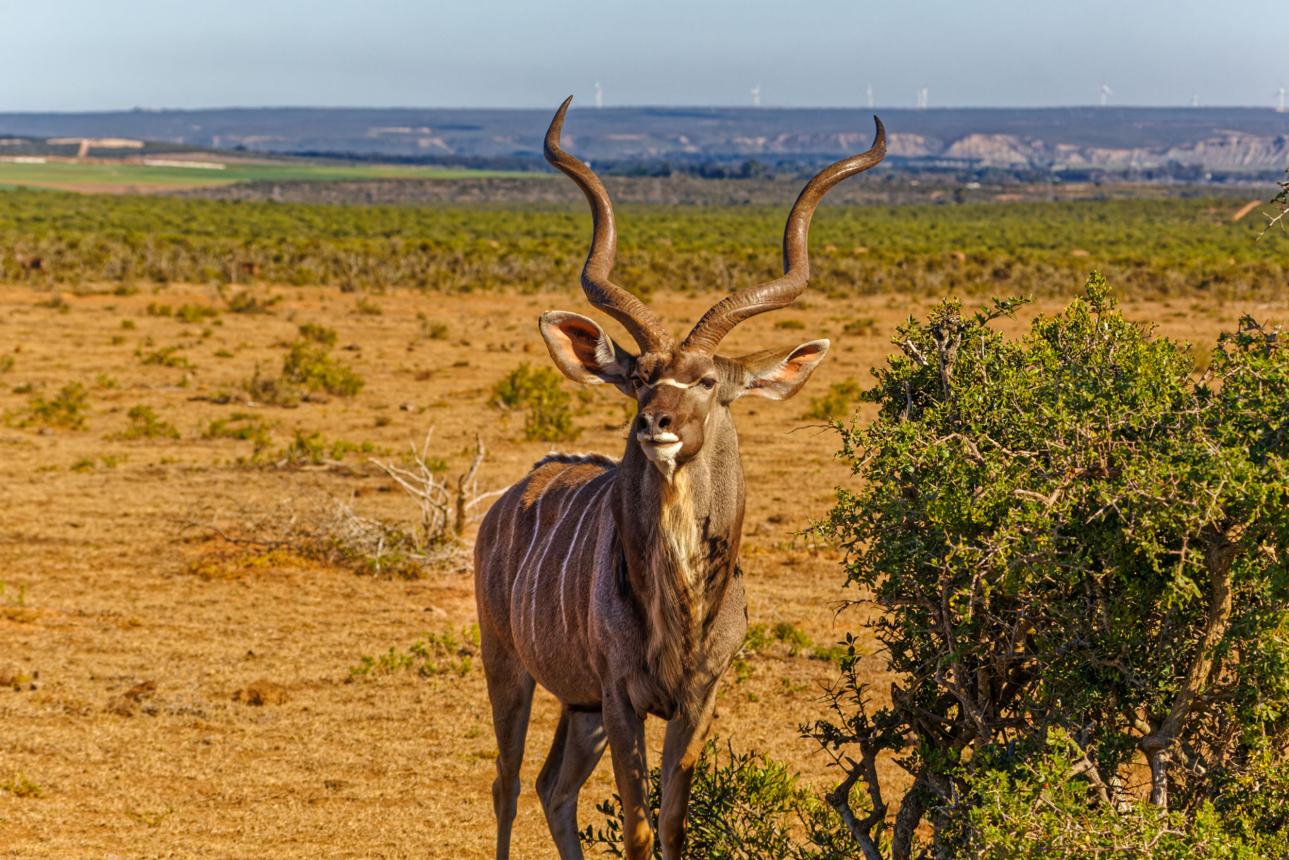
“Foot-and-mouth disease has been confirmed in kudu at Addo Elephant National Park following a second round of diagnostic testing, prompting strengthened biosecurity measures and continued monitoring by South African National Parks (SANParks) and veterinary authorities. The park’s tourism operations remain open under the announced precautions, meaning visitors can continue planning trips while following official instructions and respecting wildlife-management measures.”
Wildlife conservation, safari tourism and responsible adventure travel in South Africa
South Africa’s Addo Elephant National Park is strengthening wildlife biosecurity measures after foot-and-mouth disease was confirmed in kudu, raising important questions about wildlife conservation, responsible tourism and the management of protected natural areas. The confirmation follows further diagnostic testing conducted in cooperation with South African National Parks (SANParks) and the Eastern Cape Department of Agriculture. Although the development requires careful monitoring, park authorities have confirmed that tourism operations remain open under the applicable disease-management measures.
For adventure travellers, Addo remains an important destination for wildlife viewing and nature-based experiences. However, the announcement highlights how conservation challenges can affect the way national parks manage access, protect animals and maintain visitor experiences. Travellers planning a safari should therefore monitor official updates and follow instructions from park authorities before and during their visits.
Foot-and-mouth disease confirmed following further testing
According to a report published by IOL on 16 October 2026, the disease was confirmed after SANParks detected an increase in lameness among kudu during wildlife health surveillance. Initial diagnostic tests did not confirm the infection, but subsequent investigations produced positive results in samples collected from affected animals.
The confirmation demonstrates why continuous wildlife monitoring is essential in large protected areas. Changes in animal movement, visible symptoms and other unusual behaviour can alert conservation teams to possible health problems. Veterinary testing then helps establish whether an infectious disease is present and what measures may be necessary to manage it.
SANParks has reported that other wildlife species in the park were not showing clinical signs consistent with foot-and-mouth disease at the time of its announcement. Nevertheless, authorities are continuing to assess the situation and investigate potential transmission pathways.
The source of the infection and the direction in which it may have spread have not been established. Investigators have also not confirmed a connection between the Addo cases and other reported outbreaks in the Eastern Cape. These questions require further veterinary investigation rather than speculation.
For visitors, this distinction matters. Confirmation of disease in sampled animals does not automatically mean that every animal in the park is infected, nor does it establish that the infection originated at a particular location. Responsible reporting should reflect the evidence available while allowing investigations to proceed.
Why the development matters to adventure travellers
Adventure travel encompasses far more than physically demanding activities. It includes exploring natural landscapes, observing wildlife, visiting conservation areas and discovering destinations through outdoor experiences. National parks such as Addo provide opportunities for visitors to experience South Africa’s biodiversity while supporting tourism businesses and conservation efforts.
Wildlife health is consequently an important part of the adventure-travel experience. Healthy animal populations contribute to functioning ecosystems, while effective disease management helps protect susceptible wildlife and reduce risks associated with the movement of infected material.
Kudu are large antelope found in southern Africa and are among the wildlife species that visitors may encounter in protected landscapes. Their health can provide valuable information for wildlife-management teams monitoring animal populations. When unusual symptoms are detected, investigating them helps authorities understand possible threats before deciding what interventions are appropriate.
The current situation illustrates the relationship between conservation and tourism. National parks must protect wildlife while managing visitors, vehicles, accommodation and other activities. Disease-control measures must therefore be integrated into everyday park operations without making unsupported assumptions about the safety of every activity.
For travellers, the practical response is straightforward: check current park notices, obey signs and ranger instructions, and avoid entering restricted areas. Visitors should not attempt to approach sick or injured animals, handle wildlife or interfere with veterinary operations.
Biosecurity measures strengthened inside Addo
SANParks and the Eastern Cape Department of Agriculture are working with relevant stakeholders to monitor animal health, assess the extent of the cases and implement appropriate disease-management measures.
One announced precaution involves disinfecting vehicles before they leave designated game-viewing areas. The measure is intended to reduce the possibility of infectious material being transported beyond controlled locations. Authorities are also communicating with neighbouring landowners, livestock producers and other stakeholders to coordinate precautionary responses where necessary.
These controls underline the importance of biosecurity in environments where wildlife, people and vehicles share space. Vehicles can travel between different areas during a single trip, making appropriate cleaning procedures an important part of managing potential contamination risks.
Visitors should cooperate with any designated vehicle-cleaning requirements and follow instructions about where they may drive or stop. They should also respect any temporary restrictions introduced by park management.
Additional controls may be introduced if veterinary authorities recommend them or if applicable animal-disease legislation requires further action. Travellers should consequently avoid relying exclusively on older itineraries, travel blogs or social media posts when planning their visit.
Tour operators, accommodation providers and self-drive visitors can all contribute to responsible travel by communicating official instructions clearly. If access arrangements change, operators should update customers rather than encouraging them to disregard restrictions.
Tourism operations remain open
Despite the confirmed cases, Addo Elephant National Park’s tourism operations remain open under the stated veterinary and disease-management requirements. SANParks has encouraged visitors to comply with all access, movement and biosecurity instructions issued by park authorities.
This is an important distinction for travellers deciding whether to continue with their plans. The reported confirmation does not constitute an announcement that the entire park has closed. Equally, continued operations should not be interpreted as permission to ignore precautions or assume that every route and activity will remain unchanged.
Before departure, visitors should check their booking details and consult official communications for any relevant updates. Travellers using guided safari operators should ask whether their planned activities are affected by specific instructions. Self-drive visitors should be prepared to adjust their routes if requested by park officials.
Flexible planning is particularly useful for outdoor travel because conditions can change for several reasons, including weather, road maintenance, animal movements and conservation requirements. A responsible itinerary allows time for updated instructions and avoids making access to any particular viewing area the sole purpose of a trip.
Visitors should also confirm accommodation, entrance arrangements and activity availability through appropriate official channels. They should not assume that information published before the latest announcement reflects every current operating condition.
Human health and animal health are different concerns
SANParks has stated that foot-and-mouth disease does not pose a human health risk. The disease affects susceptible cloven-hoofed animals, making the immediate concern the health of vulnerable animal populations and the prevention of further spread.
This distinction is important because alarming headlines can lead readers to confuse animal disease with a direct threat to people. Clear communication helps travellers understand the issue without unnecessarily discouraging visits to destinations whose operations remain open.
Nevertheless, visitors should follow all official instructions. They should not handle wildlife, attempt to treat affected animals or move animals between locations. The responsibility for diagnosis, animal movement decisions and disease-control measures belongs to the relevant veterinary authorities.
SANParks has also indicated that susceptible cloven-hoofed animals may not enter or leave the park unless authorised by the relevant veterinary authority following the required risk assessment. Any movement must comply with the applicable requirements and formal approvals.
These restrictions illustrate why animal-health management requires coordination between conservation authorities, veterinarians, landowners and livestock producers. Protecting wildlife populations involves decisions that extend beyond the boundaries of a single tourist attraction.
Responsible wildlife tourism supports conservation
Wildlife tourism can help connect visitors with natural environments and encourage greater appreciation of conservation. Safari experiences give travellers opportunities to observe animals in their habitats while learning about biodiversity and the responsibilities involved in protecting it.
However, responsible tourism depends on more than seeing wildlife. Visitors must recognise that national parks are living ecosystems, not controlled entertainment venues where every sighting or route can be guaranteed.
Disease surveillance is one of the less visible activities that helps protect these environments. While visitors may primarily notice animals, landscapes and roads, conservation personnel must also monitor animal health, identify emerging problems and coordinate responses with veterinary specialists.
The Addo situation demonstrates the importance of giving conservation decisions appropriate space. Temporary precautions, if introduced, should be treated as part of responsible park management rather than as inconveniences to be bypassed.
Tour operators can support this approach by explaining why restrictions matter and providing accurate information before excursions begin. Visitors can contribute by remaining patient, avoiding unnecessary contact with animals and respecting instructions even when these change their original plans.
Local communities and businesses also have an interest in effective wildlife management. Nature-based tourism can create demand for accommodation, guiding, transport, food services and other local products. Maintaining confidence in a destination requires transparent communication and credible conservation practices.
What visitors should do before travelling
Anyone planning an adventure trip to Addo should take several practical steps.
First, check the latest information from SANParks before setting out. Official updates are the most appropriate source for changes to access arrangements, biosecurity instructions and operating conditions.
Second, contact accommodation providers or tour operators if the booking includes particular viewing areas, guided excursions or other activities. Ask whether any current restrictions affect the itinerary.
Third, allow flexibility in travel plans. If authorities introduce additional precautions, visitors should follow them rather than attempt to find unofficial access routes.
Fourth, comply with vehicle-disinfection procedures and other biosecurity measures. Do not move susceptible animals, approach sick wildlife or interfere with monitoring activities.
Finally, distinguish verified information from speculation. The confirmed cases, the strengthened precautions and the continuation of tourism operations are established elements of the published report. The source of infection and any relationship to other outbreaks remain under investigation.
These steps help travellers make informed decisions while respecting the needs of wildlife and the people responsible for its protection.
Outlook for Addo’s adventure-tourism experience
The situation at Addo highlights the continuing balance between maintaining visitor access and protecting vulnerable wildlife. Authorities must monitor the affected animals, investigate possible transmission pathways and determine whether further measures are needed as additional information becomes available.
For the adventure-travel sector, clear communication will be particularly important. Travellers need reliable information about what remains open, which precautions apply and whether individual activities are affected. Park managers and tourism businesses can help by sharing verified updates promptly and correcting outdated information.
At present, the confirmed cases have not resulted in the closure of Addo’s tourism operations. That position should guide reporting and trip planning, while recognising that requirements may change as investigations continue.
The broader lesson extends beyond one national park. Nature-based tourism depends on healthy ecosystems, effective monitoring and cooperation between conservation agencies, local communities and visitors. Disease management is therefore part of the infrastructure that makes wildlife tourism possible, even when it receives less attention than the experiences travellers come to enjoy.
Visitors who continue with their plans should approach the park with curiosity, patience and respect for official instructions. Those qualities are central to responsible adventure travel, particularly when conservation priorities require additional care.
As SANParks and veterinary authorities continue their work, future decisions will depend on verified findings rather than assumptions. Until further significant information is released, travellers should consult official notices, follow applicable precautions and recognise that safeguarding wildlife is essential to preserving South Africa’s natural heritage for future generations.



