




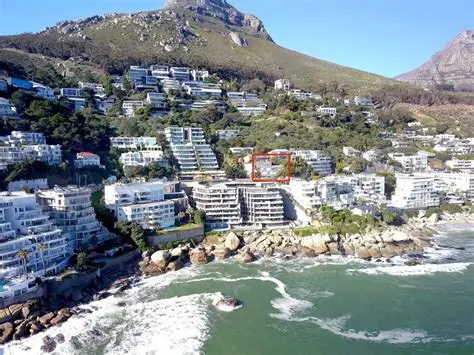
“South Africa’s land real estate market entered July 2026 with renewed optimism, supported by stable interest rates and lifestyle-driven semigration to coastal regions. Key hotspots such as Cape Town, Durbanville, and the Garden Route are experiencing above-average land price growth, reshaping national property dynamics.”
The South African land real estate market has emerged in July 2026 with a notable surge in confidence, marking a turning point after years of volatility. Investors, developers, and families are increasingly drawn to land transactions, particularly in coastal regions, where lifestyle-driven migration and stable borrowing costs are reshaping demand.
Interest Rate Stability
One of the most critical factors underpinning this momentum is the South African Reserve Bank’s decision to maintain the repo rate at 7.00% and the prime lending rate at 10.50%. This stability has created a predictable environment for buyers, allowing long-term planning and reducing uncertainty. While affordability challenges remain, the absence of further hikes has encouraged buyers to re-enter the market.
National Price Movements
National property prices grew 3.2% year-on-year in July 2026, with land parcels in high-demand regions appreciating faster than the average. Location continues to be the most decisive factor, with coastal hotspots outperforming inland markets.
Coastal Hotspots
- Western Cape: Suburbs like Bloubergstrand and Durbanville recorded 6.5% price growth, driven by family buyers and investors seeking rental opportunities.
- Garden Route: Towns such as George and Knysna reported 5.8% appreciation, fueled by semigration from Gauteng and other provinces.
These regions are benefiting from lifestyle migration, better municipal services, and proximity to natural amenities, making them attractive for both residential and investment purposes.
Gauteng’s Resilience
Although Gauteng’s average growth is more moderate at 2.1%, niche nodes with strong infrastructure and employment opportunities continue to attract land buyers. Mixed-use developments are particularly popular, reflecting demand for integrated living and working spaces.
Semigration and Lifestyle Shifts
Semigration remains a defining trend in 2026. Families and professionals are relocating from congested metros to coastal towns, seeking improved quality of life. This migration is reshaping land demand, with smaller towns experiencing unprecedented growth in transactions.
Financing and Banking Sector
Major banks — including Absa, FNB, Nedbank, Standard Bank, Investec, and SA Home Loans — are offering competitive mortgage products aligned with SARB’s stable rates. Buyers are encouraged to negotiate aggressively, as favorable financing terms can significantly improve affordability.
Risks and Challenges
Despite the optimism, challenges remain:
- Affordability pressures due to high interest rates.
- Regional disparities in growth, with inland provinces lagging behind coastal regions.
- Infrastructure constraints in smaller towns, which may struggle to keep pace with rising demand.
Outlook
The outlook for South Africa’s land real estate market in the second half of 2026 is cautiously optimistic. Stable interest rates, semigration trends, and strong demand in coastal regions suggest continued growth. However, affordability and infrastructure will remain key challenges to watch.



