




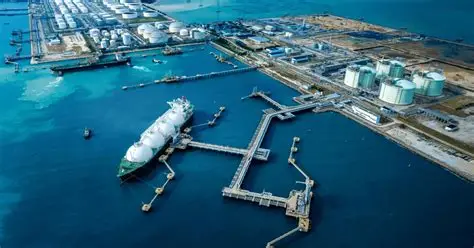
“South Africa’s Transport Minister Barbara Creecy has officially launched a new LNG terminal at the Port of Ngqura, marking a significant milestone in the country’s transport and energy infrastructure. The terminal is expected to boost freight logistics, reduce shipping costs, and position South Africa as a regional hub for sustainable energy transport.”
On July 6, 2026, South Africa took a decisive step toward reshaping its transport and energy landscape with the launch of a Liquefied Natural Gas (LNG) terminal at the Port of Ngqura. The initiative, spearheaded by Transport Minister Barbara Creecy, is being celebrated as a transformative project that will strengthen the nation’s freight logistics system, enhance maritime transport efficiency, and contribute to broader economic growth.
Strategic Importance of the LNG Terminal
The Port of Ngqura, located near Gqeberha in the Eastern Cape, has long been recognized as a critical node in South Africa’s maritime network. The addition of an LNG terminal elevates its role by enabling the import, storage, and distribution of liquefied natural gas — a cleaner and more efficient energy source compared to traditional fossil fuels.
Key benefits include:
- Reduced shipping costs due to improved fuel efficiency.
- Enhanced freight logistics through streamlined energy supply chains.
- Environmental sustainability, as LNG produces fewer emissions than coal or oil.
Government’s Vision
Minister Creecy emphasized that the LNG terminal is not just an infrastructure project but a cornerstone of South Africa’s broader transport and energy strategy. The government envisions the facility as a catalyst for:
- Economic recovery by lowering energy costs for industries.
- Job creation through construction, operations, and related services.
- Regional integration, positioning South Africa as a hub for LNG distribution across Southern Africa.
Impact on Freight and Maritime Transport
The LNG terminal is expected to revolutionize freight logistics by providing a reliable energy source for ships and freight carriers. This will reduce dependency on imported oil and diversify South Africa’s energy mix. Maritime operators anticipate lower operating costs and improved competitiveness in global shipping markets.
Broader Transport Developments
The LNG terminal launch coincides with other major transport initiatives:
- The Draft National Rail Master Plan consultation process, aimed at modernizing passenger and freight rail.
- The National Transport Conference, where President Cyril Ramaphosa outlined a bold vision for transport-driven economic growth.
Together, these projects reflect a coordinated effort to strengthen South Africa’s transport infrastructure across road, rail, maritime, and aviation sectors.
Economic and Social Implications
The LNG terminal is expected to:
- Lower energy costs for industries, boosting competitiveness.
- Create thousands of jobs in construction, logistics, and operations.
- Support sustainable development, aligning with South Africa’s climate commitments.
Communities near the Port of Ngqura are also expected to benefit from improved infrastructure, expanded employment opportunities, and increased investment in local services.
Challenges and Risks
Despite its promise, the LNG terminal faces challenges:
- Global LNG price volatility, which could affect affordability.
- Infrastructure integration, requiring coordination with rail and road networks.
- Environmental concerns, particularly around marine ecosystems.
The government has pledged strict oversight and environmental safeguards to mitigate these risks.
Conclusion
The launch of the LNG terminal at the Port of Ngqura marks a turning point in South Africa’s transport and energy journey. By integrating sustainable energy with freight logistics, the country is positioning itself for long-term growth, regional leadership, and environmental responsibility.



