




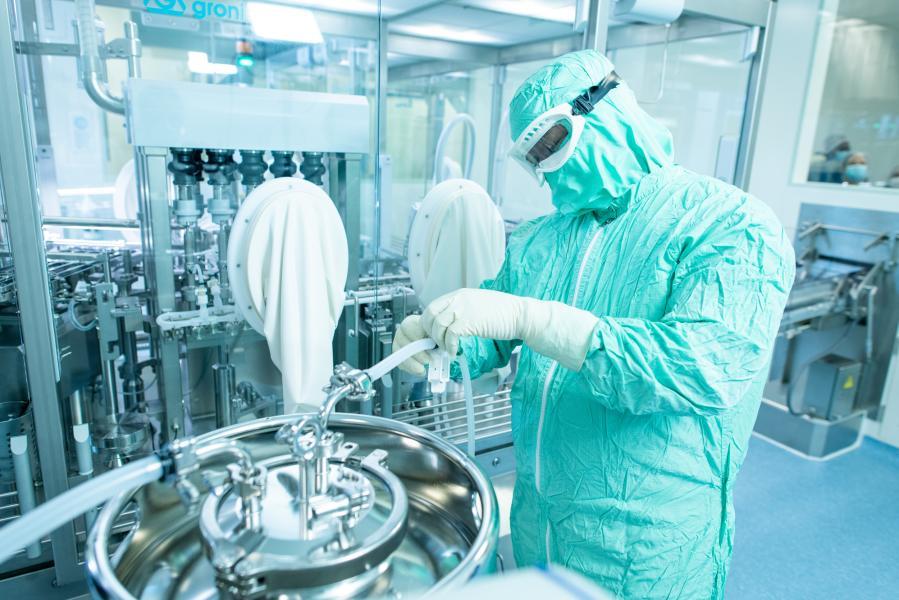
“South Africa is strengthening its vaccine manufacturing ambitions through deeper collaboration between the Department of Science, Technology and Innovation and Biovac, following a visit by DSTI Director-General Dr Mlungisi Cele to the Cape Town-based manufacturer. The engagement prioritised biomanufacturing innovation, skills development, research translation and sustainable vaccine production, reinforcing efforts to build national and continental vaccine self-reliance.”
South Africa Moves to Strengthen Vaccine Manufacturing Through Strategic Partnerships
Biotechnology Collaboration Positions South Africa for Greater Vaccine Independence
South Africa is intensifying efforts to strengthen its domestic vaccine manufacturing industry through deeper strategic collaboration between the Department of Science, Technology and Innovation (DSTI) and the Biologicals and Vaccines Institute of South Africa (Biovac). The renewed engagement highlights the importance of biotechnology, scientific innovation, skills development and industrial investment in building a more resilient healthcare system.
The development was reported on 10 November 2026 following a visit by DSTI Director-General Dr Mlungisi Cele to Biovac’s manufacturing operations in Cape Town on Friday, 6 November. The engagement provided an opportunity to examine the company’s operations, assess challenges affecting the vaccine manufacturing sector and explore opportunities for stronger institutional collaboration.
The discussions focused on advancing South Africa’s health innovation and biomanufacturing ambitions, particularly research translation, innovation, technical skills development and sustainable vaccine production. These priorities reflect growing recognition that biotechnology is not only a scientific discipline but also an important contributor to economic development, healthcare security and industrial competitiveness.
Biovac’s Strategic Role in South African Biotechnology
Established in 2003 through a partnership involving the South African Government and private-sector partners, Biovac was created to rebuild and strengthen local human vaccine manufacturing capabilities. Since its establishment, the organisation has developed into an important participant in South Africa’s pharmaceutical and biotechnology ecosystem.
Its responsibilities extend beyond vaccine distribution to manufacturing, technology transfer, production capability development and collaboration with international scientific organisations. The company’s long-term ambition is to strengthen vaccine development and manufacturing capacity while supporting the availability of essential biological products across South Africa and the wider African continent.
Dr Cele’s engagement with Biovac reaffirmed the organisation’s strategic importance to government efforts to advance health innovation and biotechnology development. According to the reported announcement, both institutions reviewed progress achieved through their longstanding partnership and considered opportunities for expanding cooperation.
The discussions are particularly relevant because biotechnology manufacturing requires specialised infrastructure, scientific expertise, regulatory oversight and sustained investment. Strengthening these capabilities can help South Africa establish a more integrated pharmaceutical production ecosystem.
Vaccine Manufacturing and Africa’s Health Security
Africa remains heavily dependent on imported vaccines, creating challenges during international emergencies and periods of supply disruption. Limited manufacturing capacity can expose countries to procurement competition, logistical delays and uncertainty about the availability of essential immunisation products.
South Africa has consequently positioned vaccine manufacturing as a strategic development priority.
The Department of Science, Technology and Innovation has previously highlighted the importance of building African vaccine production capabilities. Its broader initiatives include supporting research, developing scientific infrastructure, facilitating technology transfer and strengthening partnerships between public institutions and pharmaceutical manufacturers.
Biovac’s development is closely connected to these objectives.
A stronger domestic manufacturing industry could improve South Africa’s ability to respond to infectious disease threats while supporting regional access to essential vaccines. However, local manufacturing alone cannot guarantee immediate independence. Production requires dependable supplies of raw materials, skilled personnel, manufacturing equipment, financing and regulatory approvals.
The biotechnology sector therefore depends on cooperation between government, universities, research institutions, industry and international development partners.
Expanded Biovac Facility Supports Long-Term Production Ambitions
The strategic discussions come amid substantial investment in Biovac’s manufacturing infrastructure.
In May 2026, South Africa launched an expansion project for Biovac’s vaccine manufacturing facility in Cape Town. The project is intended to establish an advanced manufacturing environment capable of producing multiple vaccines, including products targeting cholera, polio, pneumonia and meningitis.
The Department of Science, Technology and Innovation previously reported that the expanded facility was expected to be completed by 2028, with an annual manufacturing capacity of approximately 30 million to 40 million doses under the announced project specifications.
The investment is expected to create more than 340 skilled employment opportunities and approximately 7,000 indirect jobs.
These figures illustrate the relationship between biotechnology investment and industrial development. Vaccine production involves highly specialised occupations, including microbiologists, biochemists, pharmaceutical engineers, laboratory scientists, quality assurance specialists and regulatory professionals.
Consequently, manufacturing expansion could create opportunities for scientific graduates and experienced technical personnel while supporting employment across related industries.
Technology Transfer and Research Translation
One of the most important challenges facing biotechnology development in Africa is translating scientific research into commercially viable products.
Research institutions may generate promising discoveries, but transforming them into vaccines requires manufacturing technologies, specialised equipment, clinical development, regulatory evaluation and substantial financial resources.
Technology transfer partnerships can help address this challenge by enabling local manufacturers to acquire production knowledge, technical processes and manufacturing capabilities developed elsewhere.
Biovac has pursued partnerships with international vaccine organisations and pharmaceutical manufacturers to support the transfer of technologies and the development of local production capacity.
The company’s oral cholera vaccine programme illustrates this approach. South Africa announced clinical trials for its oral cholera vaccine in November 2025 after Biovac received regulatory approval to begin testing the candidate.
The vaccine programme represents an important milestone because it involves developing manufacturing capabilities beyond conventional vaccine distribution and fill-and-finish operations.
Nevertheless, clinical trials and regulatory approval remain essential before a vaccine can be widely used. Manufacturing capability must be accompanied by scientific evidence demonstrating safety, quality and effectiveness.
Research translation therefore requires collaboration across the entire development process, from laboratory discovery to production and distribution.
Building Scientific Skills and Biomanufacturing Expertise
The development of advanced vaccine manufacturing facilities also creates an urgent need for specialised skills.
Biopharmaceutical manufacturing differs considerably from conventional industrial production. Vaccines are biological products requiring tightly controlled environments, specialised production methods and rigorous quality management.
Workers must understand microbiology, molecular biology, aseptic processing, bioprocess engineering, pharmaceutical quality systems and regulatory compliance.
South Africa’s universities, technical institutions and research organisations have an important role in preparing professionals for these requirements.
Closer cooperation between industry and educational institutions could strengthen practical training, improve research opportunities and support the development of a skilled biotechnology workforce.
The DSTI’s broader biomanufacturing initiatives have also included attention to advanced manufacturing training and scientific capacity development.
Such investments are essential because manufacturing infrastructure cannot operate effectively without experienced personnel capable of maintaining quality, reliability and regulatory compliance.
Biotechnology as an Industrial Development Opportunity
The strengthening of vaccine manufacturing has implications beyond public health.
Biotechnology can support industrial diversification by creating new opportunities in pharmaceutical production, scientific research, laboratory services, specialised equipment supply and technology development.
South Africa already possesses established research universities, scientific institutions and pharmaceutical infrastructure. Strengthening cooperation between these institutions could help create a more competitive biotechnology industry.
Local vaccine production could also support regional economic integration by supplying markets across Southern Africa and other African regions.
However, international competitiveness will depend on manufacturing efficiency, reliable quality, sustainable financing and access to procurement markets.
Manufacturers must demonstrate that locally produced vaccines can satisfy stringent quality requirements while remaining economically viable.
Long-term commercial sustainability is therefore as important as infrastructure investment.
Financing and International Partnerships
Developing vaccine manufacturing facilities requires significant capital investment.
Manufacturers need funding for construction, specialised equipment, technology transfer, research and development, regulatory processes and operational costs.
Biovac’s expansion has received support from international development finance institutions and partners.
In April 2026, the European Investment Bank, European Commission and International Finance Corporation announced financing arrangements supporting the development of Biovac’s multi-vaccine manufacturing facility.
The investment was designed to strengthen manufacturing capacity and support Africa’s vaccine self-reliance.
These partnerships demonstrate how international financing can contribute to domestic industrial development when investments are aligned with local scientific and public-health priorities.
Nevertheless, financing must be complemented by stable demand, procurement commitments and effective operational planning.
Without sustainable markets, manufacturing facilities may struggle to maintain production at economically viable levels.
Regulatory Standards and Public Confidence
Vaccine manufacturing requires strict regulatory oversight.
Products must undergo appropriate testing, quality assurance and regulatory evaluation before being authorised for public use.
South Africa’s regulatory institutions are therefore important participants in the development of a stronger biotechnology sector.
Reliable regulatory systems help protect patients, maintain confidence in vaccines and support manufacturers seeking access to domestic and international markets.
Furthermore, public communication is essential.
Communities must understand that locally manufactured vaccines are subject to the same scientific principles, quality requirements and regulatory safeguards expected of internationally produced vaccines.
Transparency about clinical trials, manufacturing standards and product evaluation can help strengthen public confidence.
Opportunities for African Cooperation
South Africa’s vaccine manufacturing ambitions also align with broader African initiatives aimed at strengthening continental health security.
The African Union has established ambitions to increase vaccine production on the continent, including its objective of achieving 60% local vaccine manufacturing by 2040.
Meeting that target will require substantial investment, scientific collaboration, regional manufacturing networks and stronger regulatory cooperation.
South Africa could contribute through manufacturing capacity, research partnerships, technical training and collaboration with other African countries.
Regional cooperation may also help create larger markets, reduce duplication of infrastructure and improve access to specialised expertise.
The continent’s vaccine manufacturing future will therefore depend on collaboration rather than isolated national projects.
Challenges Facing the Biotechnology Sector
Despite encouraging developments, significant challenges remain.
Manufacturing facilities require continuous investment and reliable production pipelines. Technology transfer arrangements must generate practical capabilities rather than remain limited to contractual agreements.
Scientific training must keep pace with evolving manufacturing technologies, while research institutions require sustained funding to support innovation.
Supply chains also remain important. Certain specialised ingredients, equipment and materials may still need to be imported, exposing manufacturers to international disruptions.
In addition, vaccine production must be supported by reliable procurement systems and predictable demand.
These challenges demonstrate why strengthening biotechnology requires coordinated planning across government departments, manufacturers, research institutions and healthcare systems.
Outlook: Strengthening South Africa’s Biotechnology Future
The renewed collaboration between DSTI and Biovac represents an important opportunity to consolidate South Africa’s vaccine manufacturing ambitions.
The engagement reinforces the value of partnerships that connect scientific research, industrial development and public-health priorities.
As manufacturing infrastructure expands, the country will need to continue investing in technical skills, research translation, regulatory capacity and sustainable production systems.
The ultimate objective is not simply to establish factories but to build a biotechnology ecosystem capable of developing, manufacturing and supplying essential health products reliably.
South Africa’s progress could also support wider African efforts to strengthen vaccine independence and improve preparedness for future disease outbreaks.
If sustained investment and effective partnerships continue, the country’s biotechnology sector could become an increasingly important contributor to healthcare security, scientific innovation and economic development.
The DSTI-Biovac engagement therefore signals a broader ambition: positioning South Africa as a stronger participant in the future of African biotechnology and vaccine manufacturing.



