




“South Africa has notified the World Trade Organization of a safeguard investigation into imports of certain non-wired float glass products, following the investigation’s initiation on 3 November 2026. The inquiry will determine whether increased imports are causing, or threatening to cause, serious injury to local producers, with interested parties invited to submit comments and evidence within 20 days.”
South Africa opens float glass import investigation as trade protection debate intensifies
South Africa has taken another step towards examining the impact of imported products on domestic manufacturing, following the launch of a safeguard investigation into certain non-wired float glass imports. The investigation, notified to the World Trade Organization (WTO) on 11 November 2026, could become an important development for the country’s industrial trade policy, local manufacturing competitiveness and the relationship between import protection and international market access.
The investigation was initiated on 3 November 2026 and is being conducted through South Africa’s International Trade Administration Commission (ITAC). Authorities will examine whether increased imports of the specified glass products are causing, or threatening to cause, serious injury to domestic producers. However, the initiation of the investigation does not automatically mean that import restrictions have been introduced.
Investigation places local manufacturing under scrutiny
The float glass investigation comes at a time when South Africa is increasingly focused on protecting industrial capacity, improving competitiveness and supporting domestic manufacturing.
Float glass is an important industrial material used in construction, commercial buildings, residential properties, automotive applications and various manufacturing processes. Consequently, changes in the competitive environment for glass production can affect a wider network of businesses beyond the manufacturers themselves.
These businesses include construction contractors, glazing companies, architectural suppliers, automotive manufacturers, property developers and distributors.
The investigation therefore carries potential implications for both industrial producers and companies that depend on imported or locally manufactured glass.
At the centre of the process is the question of whether increased imports have created circumstances that justify a temporary trade remedy under international trade rules.
South Africa’s trade authorities will need to assess the evidence presented by interested parties before determining whether safeguard action is warranted.
WTO notification confirms the investigation
The World Trade Organization confirmed that South Africa notified its Committee on Safeguards on 11 November 2026 concerning the investigation into certain non-wired float glass products.
The notification provides information about the investigation’s initiation and establishes procedural requirements for businesses and other interested parties wishing to participate.
The WTO framework allows countries to investigate import increases that may be causing serious injury to domestic industries.
Nevertheless, safeguard measures are subject to conditions. Authorities must establish that the relevant imports have increased and that the domestic industry is experiencing serious injury, or faces a credible threat of serious injury, connected to those imports.
The investigation must also follow applicable legal requirements and provide opportunities for interested parties to submit evidence.
For South Africa, this process creates an opportunity to examine the condition of the domestic glass industry while maintaining compliance with international trade obligations.
Businesses receive an opportunity to participate
The investigation has opened a formal participation period for companies and organisations affected by the imports.
According to the WTO notification, interested parties must make themselves known and provide comments within 20 days following the initiation of the investigation.
Written submissions and requests for hearings must also be submitted within the prescribed period.
Interested businesses can provide information relevant to the investigation, including evidence concerning import volumes, commercial conditions, domestic production and the effects of competition.
Importers and exporters may also present their perspectives, allowing authorities to consider the interests of different participants in the supply chain.
The process is particularly important because safeguard investigations can involve competing economic arguments.
Domestic manufacturers may argue that increased imports are placing pressure on production, employment or investment. Importers and downstream businesses, meanwhile, may highlight the importance of imported products for maintaining competitive prices, product availability and supply continuity.
The quality of evidence submitted during the investigation will therefore be important in determining its eventual outcome.
ITAC responsible for examining trade evidence
The International Trade Administration Commission is responsible for conducting the investigation within South Africa’s trade-remedy framework.
The commission operates under the International Trade Administration Act and relevant safeguard regulations, together with the WTO Agreement on Safeguards.
Businesses participating in the investigation must comply with submission requirements, including rules concerning confidential information.
The WTO notification states that parties submitting confidential information must explain the grounds for confidentiality and provide sufficiently detailed public summaries.
Where a public summary cannot be provided, a sworn statement explaining the reasons must accompany the submission.
These requirements are designed to ensure that confidential commercial information receives appropriate protection while allowing other interested parties meaningful access to the substance of the evidence.
The commission may disregard confidential information where the applicable requirements have not been satisfied and no adequate justification has been provided.
Float glass remains strategically important to manufacturing
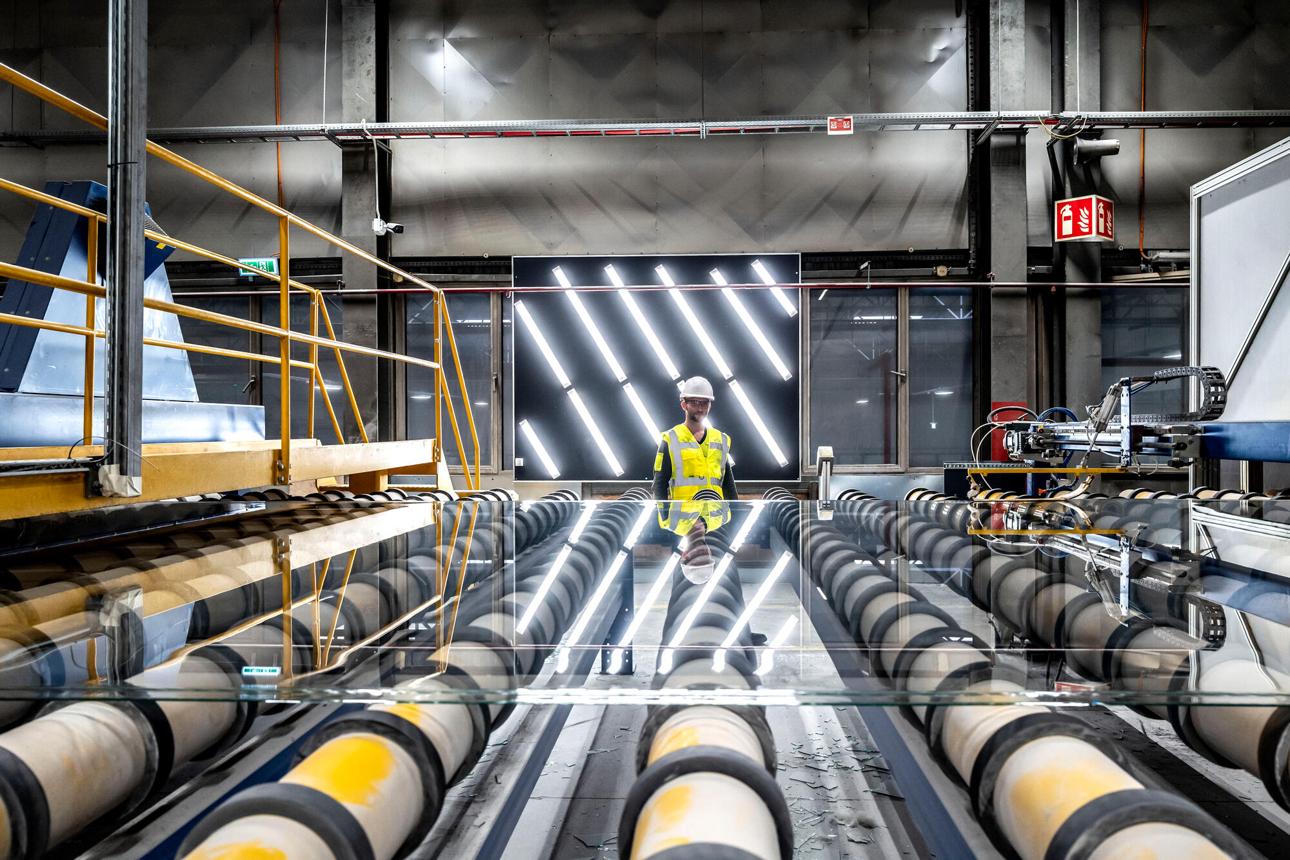
South Africa has an established float glass manufacturing industry serving domestic and international customers.
PFG Building Glass, part of the PG Group, manufactures float glass in Springs, Gauteng, supplying construction and automotive industries. The company also exports glass products to international markets.
Its manufacturing operations demonstrate the importance of local production capacity within South Africa’s broader industrial economy.
According to company information, PFG produces approximately 260,000 tonnes of float glass annually, supplying customers across different sectors and international destinations.
Its products include clear float glass, automotive glass and other specialised glass solutions.
The industry supports activities ranging from manufacturing and distribution to transportation, technical services and downstream processing.
Therefore, the investigation may be relevant not only to producers but also to businesses involved in industrial supply chains and value-added manufacturing.
Import competition and consumer costs remain important
Although protecting local manufacturing is a central consideration in safeguard investigations, imported products also play an important role in South Africa’s economy.
Imports can help businesses access products that meet particular specifications, maintain adequate supply and manage production costs.
For construction companies and manufacturers, glass prices can influence project budgets, production expenses and purchasing decisions.
If imports become subject to additional trade restrictions following an investigation, businesses could experience changes in supply conditions or sourcing costs.
However, any potential effect would depend on the products covered, the findings of the investigation and the specific measures eventually adopted.
It would be premature to conclude that prices will rise or that imports will be restricted before the investigation reaches a determination.
The distinction between investigating imports and imposing safeguard measures is particularly important for businesses planning purchases or negotiating contracts.
South Africa’s wider trade policy environment
The float glass investigation is taking place against a broader backdrop of international trade uncertainty.
South Africa is currently responding to developments affecting its trade relationship with the United States, including Washington’s announced intention to withdraw the country’s African Growth and Opportunity Act benefits from January 2027.
The government received 60 days’ advance notice of the proposed withdrawal and has indicated that it will continue engagement with the United States while assessing the consequences for affected industries.
AGOA has historically provided qualifying South African exports with preferential access to the American market.
The programme has supported trade in products including automotive components, agricultural products and other manufactured goods.
According to South African government figures, AGOA exports were valued at approximately US$1.7-billion in 2025, representing around 1% of the country’s total global exports.
Government has also emphasised that most South African exports to the United States already enter under ordinary World Trade Organization terms rather than AGOA preferences.
Nevertheless, businesses directly dependent on preferential access could face additional costs if the proposed withdrawal takes effect.
South Africa has consequently been pursuing export diversification across markets including China, India, the European Union, the United Kingdom, the African Continental Free Trade Area and other international destinations.
Trade protection and export diversification
The float glass investigation illustrates how South Africa is balancing industrial protection with participation in international trade.
Safeguard measures are intended to provide a mechanism for responding to damaging import increases under defined circumstances.
However, their use requires careful consideration because manufacturing industries frequently depend on imported inputs, international customers and cross-border supply chains.
Trade policy must therefore consider both domestic production and the economic activities supported by competitive imports.
For South Africa, the challenge is to ensure that trade remedies, where justified, support sustainable industrial development without unnecessarily disrupting businesses that depend on international sourcing.
The investigation also highlights the importance of transparency, consultation and evidence-based decision-making.
Companies participating in the process have an opportunity to contribute information that can help authorities understand the commercial realities facing the industry.
What businesses should monitor
The investigation creates several important considerations for manufacturers, importers and downstream users.
First, companies involved in the specified float glass products should review the investigation notice and establish whether their products fall within its scope.
Second, importers and exporters should monitor submission deadlines and prepare relevant commercial information if they intend to participate.
Third, downstream businesses should continue monitoring developments rather than assuming that immediate import restrictions have been introduced.
Finally, manufacturers should evaluate their supply arrangements and remain attentive to future decisions by the commission.
These steps can help businesses respond appropriately to regulatory developments while avoiding unnecessary disruptions to purchasing, production or distribution.
Outlook: investigation could shape industrial trade decisions
South Africa’s float glass safeguard investigation represents an important development in the country’s approach to import competition and industrial protection.
The process will provide authorities with an opportunity to evaluate evidence concerning imports and the condition of domestic manufacturing.
Its eventual outcome could influence trade conditions for the specified products and affect decisions by producers, importers and downstream businesses.
Nevertheless, the investigation remains an evidence-gathering and assessment process. Any eventual safeguard measure will depend on the findings and the applicable legal requirements.
As South Africa continues navigating international trade uncertainty, the investigation underscores the importance of protecting productive capacity while preserving transparent, rules-based trade relationships.
For manufacturers and businesses operating across the glass supply chain, the immediate priority is to follow the proceedings, participate where appropriate and prepare for any developments that may affect future sourcing or commercial arrangements.
The investigation is therefore more than a regulatory announcement: it is another test of how South Africa manages the relationship between domestic industrial competitiveness, import competition and its obligations within the international trading system.



