




“The South African government has dismissed speculation of a nationwide shutdown on June 30, 2026, assuring citizens that schools, businesses, and public services will operate as normal. The announcement comes amid heightened anti-immigration protests and xenophobic rhetoric, raising concerns about economic stability and investor sentiment.”
South Africa’s macroeconomic environment is facing a critical test as the government moves to reassure citizens and investors that June 30, 2026, will proceed as a normal working day. This announcement comes against the backdrop of escalating anti-immigration protests, xenophobic rhetoric, and fears of nationwide disruption. The government’s firm stance reflects both an economic imperative to maintain stability and a political necessity to assert control over public order.
Background: Rising Tensions
Over the past month, civic groups such as Operation Dudula and the March and March Movement have mobilized demonstrations demanding the expulsion of undocumented migrants. These groups argue that immigration exacerbates unemployment, crime, and strains on public services. South Africa’s unemployment rate remains stubbornly above 30%, fueling resentment among citizens who perceive migrants as competitors for scarce jobs.
The protests have been accompanied by misinformation campaigns on social media, falsely suggesting that June 30 would mark a nationwide shutdown. The government has condemned these narratives as destabilizing and criminal, warning that vigilantism and xenophobic incitement will be prosecuted.
Government Response
At a press briefing in Pretoria, Minister of Justice and Constitutional Development Mmamaloko Kubayi declared: “We therefore declare that the 30th of June 2026 as a normal day for the country. Enforcement of the law is the responsibility of the State. We are ready as a State to protect every person, citizens and foreign nationals, against any form of abuse and intimidation.”
The Inter-Ministerial Committee on Migration (IMC) emphasized that no individuals or groups are authorized to enforce immigration checks or block access to public services. Law enforcement agencies have intensified operations, with 164 arrests already made for incitement to violence and breaches of the Regulation of Gatherings Act.
Economic Implications
The government’s rejection of shutdown claims carries significant macroeconomic weight. A nationwide disruption would have risked:
- GDP contraction due to halted business activity.
- Investor flight, particularly in sectors sensitive to political instability.
- Supply chain disruptions, affecting retail, manufacturing, and logistics.
- Currency volatility, with the rand already under pressure from global market uncertainties.
By affirming continuity, the government seeks to stabilize investor confidence and reassure international partners. President Cyril Ramaphosa has underscored that immigration enforcement remains the responsibility of the state, distancing his administration from populist ultimatums.
Social and Political Dimensions
The protests highlight deep-seated social fractures. Xenophobic violence has historically damaged South Africa’s international reputation, with severe outbreaks recorded in 2008, 2015, and 2019. Current tensions risk reigniting similar unrest, particularly targeting nationals from Nigeria, Zimbabwe, Mozambique, and Malawi.
Civil society organizations, including the Ahmed Kathrada Foundation, have appealed for restraint, warning that inflammatory rhetoric could trigger violence. Diplomatic missions from several African countries have advised their citizens to remain vigilant.
Law Enforcement and Security Measures
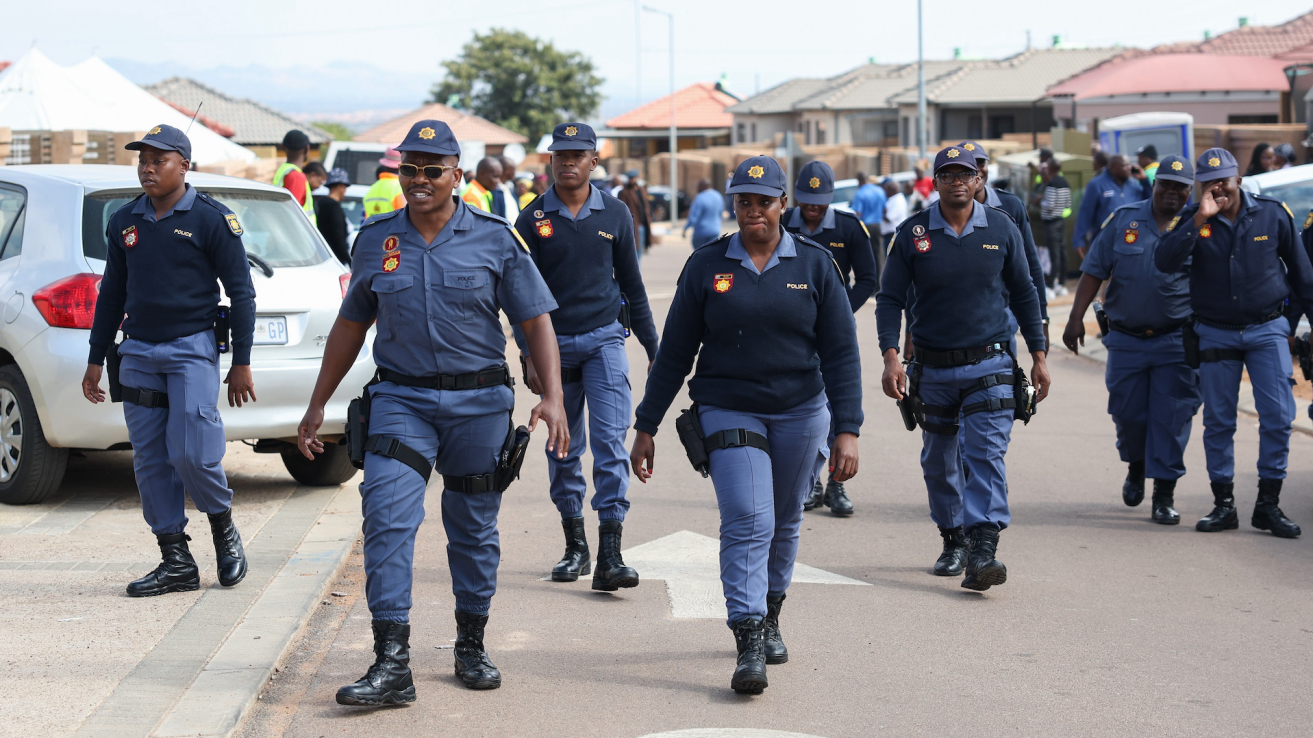
The South African Police Service (SAPS) has deployed officers to identified hotspots nationwide. Intelligence-led operations have recorded over 5,000 immigration-related arrests during Operation Shanela in mid-June. These measures aim to deter unrest and maintain public order.
Investor and Business Confidence
Business leaders have cautiously welcomed the government’s assurances. Retailers, manufacturers, and service providers expressed relief that operations would continue without disruption. Analysts note that while the government’s stance is reassuring, the persistence of xenophobic rhetoric remains a long-term risk to South Africa’s investment climate.
Conclusion
South Africa’s rejection of shutdown claims on June 30, 2026, represents a decisive intervention to safeguard macroeconomic stability. By affirming continuity of economic and social activities, the government seeks to reassure citizens, investors, and international partners. However, the underlying tensions around immigration and unemployment remain unresolved, posing ongoing risks to social cohesion and economic growth.



