




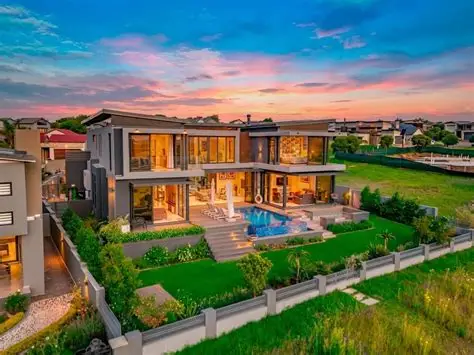
“South Africa’s housing market has entered its strongest phase in four years, with national house price growth reaching 7.1% year-on-year by early 2026, driven by semigration trends and international demand. However, rising inflation and a pause in interest rate cuts are squeezing real returns, leaving homeowners cautious despite high sentiment levels.”
South Africa’s real estate sector is experiencing a remarkable transformation in 2026. After years of post-pandemic adjustment, the residential property market has emerged as one of the most dynamic sectors in the economy. With house prices rising at levels not seen since 2022, the market is being reshaped by demographic shifts, international interest, and evolving financial conditions.
Market Growth Trends
By early 2026, national house price growth reached 7.1% year-on-year, a significant rebound compared to subdued rates in prior years. The Western Cape continues to lead, with average property prices at R3.35 million, far above the national average of R1.95 million. Homes in the province are selling in just 6.2 weeks, supported by semigration from Gauteng and KwaZulu-Natal, as well as strong international demand.
Buyer Sentiment
The Absa Homeowners Sentiment Index climbed to 88% in Q1 2026, its highest reading since inception. Confidence among younger buyers (ages 25–34) reached 90%, reflecting optimism about affordability and lending conditions. This surge signals a generational shift, with many younger buyers entering the market independently, without waiting for marriage or family formation.
Inflationary Pressures
Despite strong nominal growth, headline inflation reached 5% in June 2026, reducing real returns to just 0.2%. The South African Reserve Bank (SARB) has held the prime lending rate at 10.25%, pausing its rate-cutting cycle due to global inflation, rand volatility, and oil price pressures. This has reintroduced caution among buyers who expected continued relief.
Regional Divergence
- Western Cape: Premium pricing, fastest sales, strong international demand.
- Johannesburg & Gauteng: Moderate growth, supported by semigration inflows.
- Durban: Stable demand, buoyed by coastal lifestyle appeal.
These differences highlight structural divergence in South Africa’s property market, with Cape Town commanding the highest premiums.
Structural Economic Signals
South Africa’s property market strength contrasts with weak consumer confidence and high unemployment.
- Housing Index: 125.20 (Feb 2026)
- FDI Inflows: R20.3 billion in Q1 2026, mainly into mining, energy, and finance
- Unemployment: 32.7% in Q1 2026
- Consumer Confidence: -19 in Q2 2026
This paradox underscores the resilience of real estate as an investment class, even amid broader economic challenges.
Policy and Investment Outlook
The government’s cautious stance on interest rates is designed to balance inflation control with growth stimulation. Investors are closely watching SARB’s next moves, as any shift could significantly impact affordability and lending conditions. Meanwhile, international buyers continue to view South Africa as a value market compared to global peers, particularly in coastal regions.
Conclusion
South Africa’s land and real estate market in 2026 is defined by robust growth, regional divergence, and cautious optimism. While inflationary pressures remain a challenge, strong buyer sentiment and international demand are driving the sector forward. The Western Cape stands out as the epicenter of this surge, but opportunities exist across the country for both local and foreign investors.



