




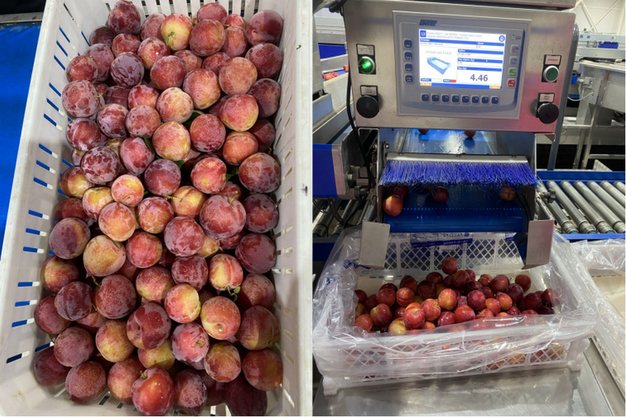
“South Africa has officially launched its first major shipment of plums to China, exporting 20,000 cartons of premium varieties under a new trade protocol. The deal is expected to reshape the country’s fruit industry, expand market access, and strengthen bilateral trade relations with China.”
South Africa’s agricultural sector has achieved a historic milestone with the inaugural large-scale export of plums to China. This development is not merely a routine trade transaction but a strategic breakthrough that promises to redefine the country’s agricultural trade landscape, strengthen bilateral relations with China, and stimulate economic recovery.
Background of the Trade Agreement
The plum export initiative stems from a long-negotiated stone fruit trade protocol between South Africa and China. The agreement was finalized after years of technical discussions on phytosanitary standards, quality assurance, and logistics. Its implementation signals China’s confidence in South Africa’s agricultural standards and opens the door for broader fruit exports.
Details of the First Shipment
- Volume: 20,000 cartons of African Delight and Ruby Star plums.
- Location: Freshness First Packhouse, Franschhoek.
- Witnesses: Minister of Agriculture John Steenhuisen and Chinese Ambassador Wu Peng.
- Significance: Marks the first formal export under the new protocol, setting precedent for future shipments.
Economic Impact
- Boost to Farmers: Access to China’s vast consumer market offers higher prices and demand stability.
- Job Creation: Expansion of fruit exports will increase employment in farming, packaging, and logistics.
- Foreign Exchange Earnings: Diversifying export destinations reduces reliance on traditional European markets.
- Industry Competitiveness: South Africa’s deciduous fruit industry gains global recognition, enhancing competitiveness against rivals like Chile and Spain.
Strategic Importance for South Africa
- Diversification of Markets: China’s entry as a major buyer reduces vulnerability to European market fluctuations.
- Strengthening Bilateral Relations: Agricultural trade deepens diplomatic ties, complementing existing cooperation in mining and manufacturing.
- Economic Recovery: Amid global economic uncertainty, agricultural exports provide resilience and growth opportunities.
Challenges and Risks
- Logistics: Ensuring cold-chain integrity during long-distance shipping is critical.
- Market Competition: South Africa must compete with established exporters to China.
- Quality Standards: Consistent adherence to China’s strict import requirements is essential.
- Currency Volatility: Exchange rate fluctuations could affect profitability.
Future Outlook
The plum export initiative is expected to pave the way for other fruit categories, including nectarines, peaches, and apples. Industry experts predict that within five years, South Africa could become one of China’s top three suppliers of deciduous fruits. This expansion will further integrate South Africa into global agricultural value chains.
Voices from Stakeholders
- Minister John Steenhuisen: “This is a defining moment for our farmers and our economy. China’s market offers unparalleled opportunities.”
- Chinese Ambassador Wu Peng: “We welcome South Africa’s premium fruit exports. This strengthens our friendship and trade partnership.”
- Farmers’ Associations: Express optimism about increased income and market stability.
Conclusion
South Africa’s first plum exports to China represent more than a trade milestone; they symbolize a strategic shift in the country’s agricultural trajectory. By tapping into China’s vast market, South Africa is positioning itself as a global agricultural powerhouse, ensuring economic resilience and growth in the years ahead.



