




“Google has unveiled a sweeping plan to deepen its footprint in Africa, positioning South Africa as the hub for new investments in AI, connectivity, and digital skills. The initiative includes infrastructure projects, innovation centres, and accelerator programmes that aim to cement South Africa’s role as a gateway to the continent’s digital economy.”
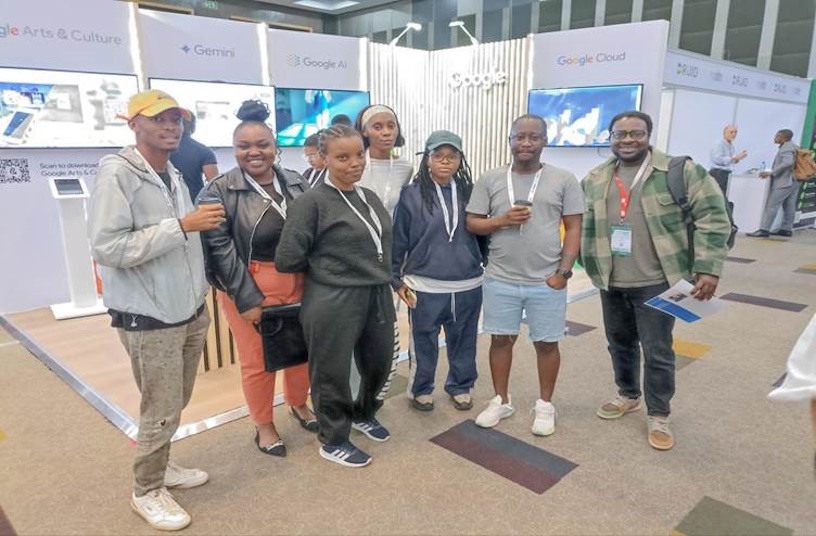
At the inaugural Africa Cloud Summit in Johannesburg, Google announced a bold new chapter in its African strategy, placing South Africa at the centre of its digital expansion. This move underscores the country’s growing importance as a regional technology hub and reflects the global tech giant’s confidence in South Africa’s ability to drive innovation across the continent.
Key Investments
- Connectivity Hub in Eastern Cape: The first of four planned hubs across Africa, designed to improve internet access and reduce digital divides.
- Digital Innovation Centre in Soweto: Backed by R3 million, this centre will focus on expanding access to technology skills, entrepreneurship, and innovation.
- Start-up Accelerator Programme: Fifteen South African firms will join Google’s accelerator, part of a broader commitment to support 50 African ventures by 2028.
- AI Development: Google’s senior VP James Manyika emphasized Africa’s AI potential, pledging resources to help the continent harness machine learning for economic growth.
Strategic Importance for South Africa
South Africa’s role as a gateway to Africa’s digital economy is reinforced by these investments. The country already boasts a strong ICT sector, and Google’s initiatives are expected to:
- Strengthen cloud infrastructure.
- Enhance digital literacy and workforce readiness.
- Position South Africa as a regional leader in AI research and application.
Economic and Social Impact
- Job Creation: The Soweto centre and accelerator programme will generate opportunities for young entrepreneurs and skilled professionals.
- Digital Inclusion: Connectivity hubs will extend internet access to underserved communities, bridging urban-rural divides.
- Innovation Ecosystem: By supporting start-ups, Google is fostering a culture of innovation that could yield homegrown solutions to African challenges.
Challenges and Risks
While the announcement is promising, several challenges remain:
- Infrastructure Gaps: Rural areas still face unreliable electricity and limited broadband.
- Skills Shortages: Despite investments, South Africa must scale up training to meet demand for AI and cloud expertise.
- Global Competition: Other tech giants, including Microsoft and Amazon, are also expanding in Africa, raising questions about market dominance and local autonomy.
Regional and Global Context
Google’s African expansion is part of a broader US$1 billion investment plan, which the company has already exceeded. This aligns with global trends where tech firms are increasingly targeting emerging markets for growth. For Africa, the focus on AI and cloud computing could accelerate digital transformation, but it also raises debates about data sovereignty and dependency on foreign corporations.
Voices from the Summit
James Manyika, Google’s senior VP for research and technology, stated: “The AI opportunity for Africa is significant, and we are committed to helping the continent realise its digital potential.” This sentiment was echoed by South African officials, who welcomed the investments as a step toward positioning the country as a continental leader in digital innovation.
Conclusion
Google’s announcement marks a turning point for South Africa’s computing landscape. By investing in connectivity, AI, and skills development, the company is not only strengthening its own presence but also empowering South Africa to lead Africa’s digital future. The success of this initiative will depend on how effectively these investments translate into inclusive growth, innovation, and sustainable development.



