




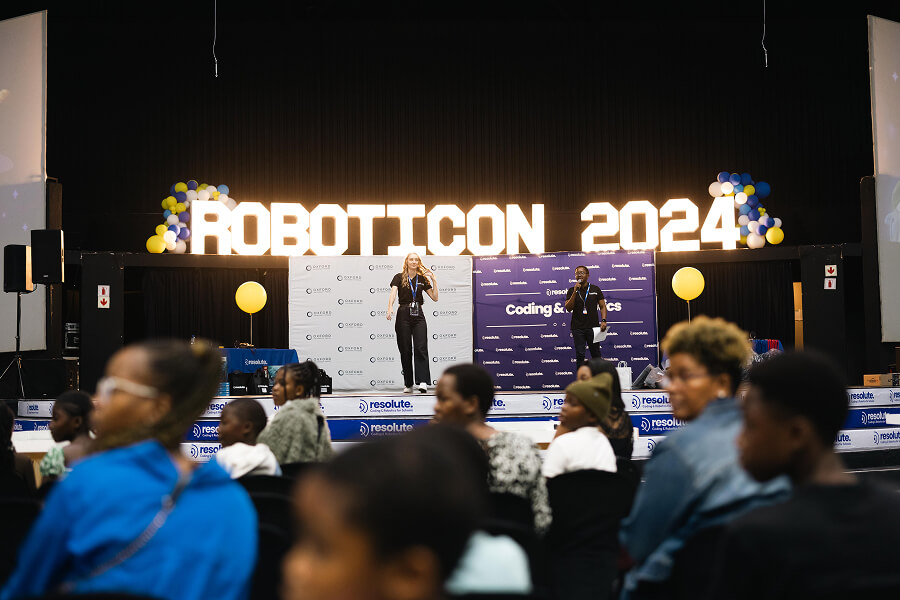
“Roboticon 2026, hosted in Pretoria, is uniting schools across South Africa to demonstrate how robotics and coding can preserve cultural heritage while fostering innovation. The event, partnered with the World Robotics Olympiad, positions South Africa as a leader in educational robotics and entrepreneurial innovation.”
South Africa’s robotics landscape reached a milestone today with the launch of Roboticon 2026, a national competition that merges creativity, technology, and cultural preservation. Hosted at the Heartfelt Arena in Pretoria, the event is not only a showcase of technical skills but also a celebration of how robotics can address societal challenges. By partnering with the World Robotics Olympiad (WRO) South Africa, Roboticon 2026 has elevated itself into a global platform, attracting attention from educators, innovators, and policymakers worldwide.
The Vision Behind Roboticon
The theme of this year’s competition is “Technology Meets Humanities”, emphasizing how robotics can enhance and preserve music, art, and cultural heritage. This vision reflects South Africa’s broader ambition to integrate STEM education with cultural identity, ensuring that technological progress does not erase traditions but instead strengthens them.
Competition Categories
Roboticon 2026 features multiple levels:
- Robot Rockstar Challenge (Grades 1–3): Learners deliver instruments and perform melodies with robots.
- Heritage Heroes Mission (Grades 4–5): Students code robots to rescue fossils and build museum exhibits.
- Culture Crusaders (Grades 6–9): Teams design robotic systems to preserve traditions and languages.
- Entrepreneur Innovators (Senior Phase): Learners pitch robotics-based business solutions to solve South African problems.
These categories ensure inclusivity, allowing students from different age groups and skill levels to participate meaningfully.
Educational Impact
Roboticon 2026 is more than a competition—it is an educational revolution. By embedding robotics into school curricula, South Africa is preparing its youth for a future where automation and AI will dominate industries. The event encourages problem-solving, teamwork, and creativity, skills that are critical for the 21st-century workforce.
Cultural Preservation Through Robotics
One of the standout aspects of Roboticon 2026 is its focus on cultural preservation. For example, teams in the Apprentice Culture Crusaders Challenge are tasked with designing robotic systems to protect endangered languages and artifacts. This unique approach demonstrates how robotics can serve not only industrial needs but also social and cultural missions.
Entrepreneurship and Innovation
The Entrepreneur Innovators Challenge is particularly significant. It requires students to go beyond building robots and instead develop business models around their solutions. This aligns with South Africa’s push to foster tech entrepreneurship, ensuring that robotics is not confined to laboratories but becomes a driver of economic growth.
National and Global Significance
By merging with the World Robotics Olympiad South Africa, Roboticon 2026 has gained international recognition. This partnership allows South African students to compete on a global stage, benchmarking their skills against peers worldwide. It also positions South Africa as a hub for robotics innovation in Africa, attracting investment and collaboration opportunities.
Challenges and Opportunities
While Roboticon 2026 is a landmark achievement, challenges remain. Access to robotics education is still limited in rural areas, and funding for schools to acquire robotics kits is uneven. However, the event has sparked conversations about policy reforms and public-private partnerships to expand access.
Conclusion
Roboticon 2026 is more than a competition—it is a movement. By blending robotics with culture, education, and entrepreneurship, South Africa is charting a unique path in the global robotics landscape. The event demonstrates that technology can be a tool for preservation, empowerment, and innovation, ensuring that the next generation of South Africans is both technologically skilled and culturally grounded.



