




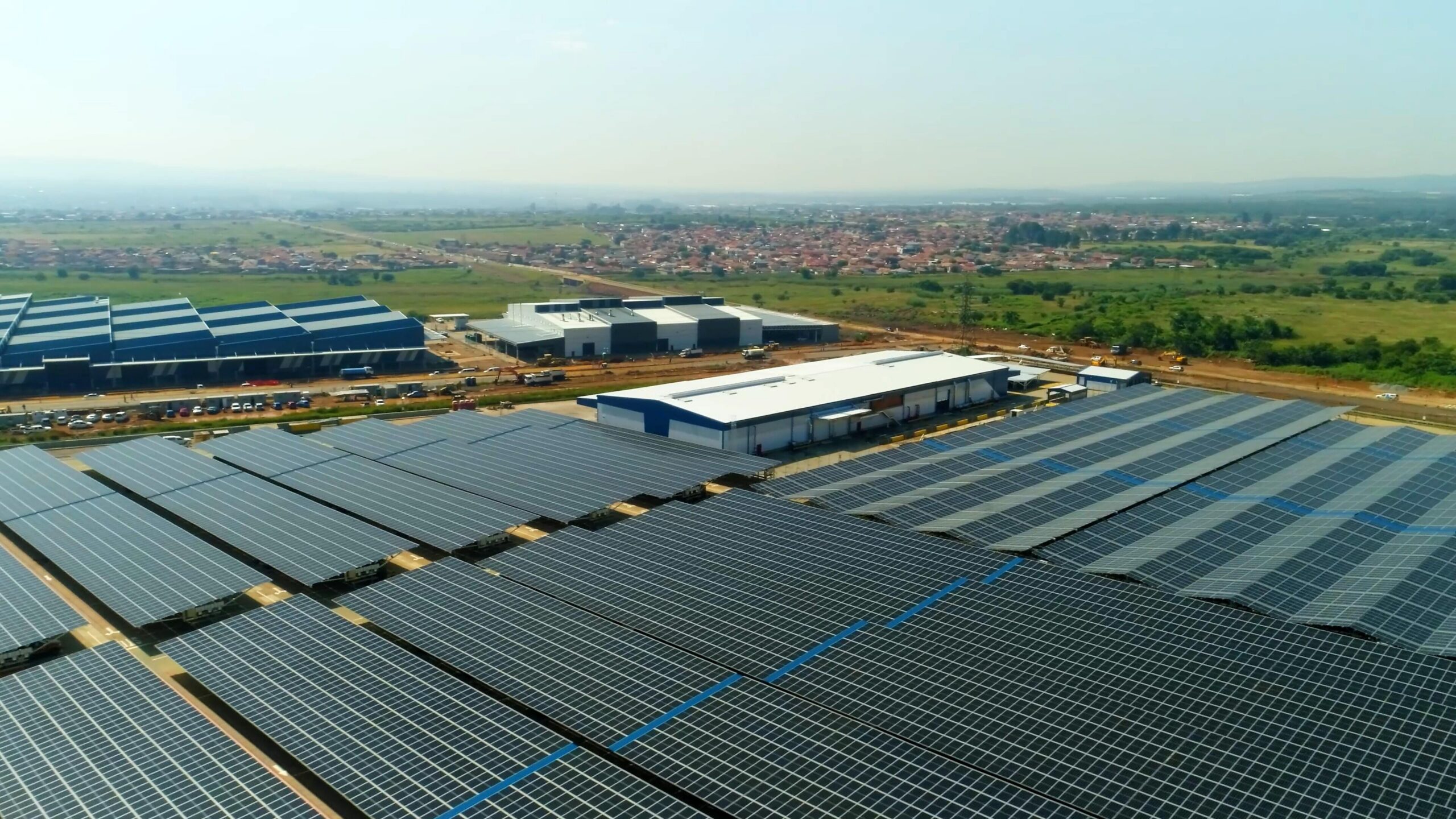
“South Africa has been urged to use its existing industrial base and manufacturing facilities to test and develop green technologies while building competitive domestic supply chains. The opportunity could support exports, investment and industrial transformation, but businesses must manage the risks of adopting technologies that have not yet been commercially proven.”
South Africa’s Industrial Zones Could Become a Launchpad for Green Technology, Manufacturing and Export Growth
South Africa’s ability to compete in international markets increasingly depends on whether its industries can adapt to changing technology, environmental requirements and global demand. A recent report published by Engineering News on 9 October 2026 has highlighted the opportunity for the country to use its existing industrial spaces to test green technologies and strengthen domestic manufacturing capacity.
The proposal comes at a time when manufacturers worldwide are under pressure to reduce emissions, improve energy efficiency and develop cleaner production methods. For South Africa, the transition presents both a challenge and an opportunity: the country must modernise established industries while creating new products, services and export markets that can support long-term economic growth.
Industrial zones could play an important role in this process. By using existing infrastructure, skilled workers and manufacturing facilities, businesses may be able to test new technologies without having to build entirely new industrial ecosystems from the ground up.
Why green industrialization matters for trade
International trade is influenced by more than the price of a product. Buyers increasingly consider reliability, production standards, environmental performance, quality and the ability of suppliers to deliver consistently.
South African manufacturers that improve their production processes could become more competitive in markets where customers are seeking lower-carbon materials, renewable-energy equipment, energy-efficient machinery and sustainable industrial products.
Green industrialisation also offers an opportunity to retain more economic value within the country. Rather than exporting raw materials and importing finished goods, South Africa could expand its ability to process resources, manufacture components and supply specialised services.
Such a shift would not happen automatically. It would require investment in equipment, technical skills, research, infrastructure and partnerships between manufacturers, universities, government agencies and technology providers.
Nevertheless, developing competitive domestic supply chains could help businesses diversify their customers and reduce excessive dependence on a narrow range of export products.
Existing industrial infrastructure offers a starting point
One of the central ideas highlighted in the Engineering News report is that South Africa should adapt its existing industrial base to meet current and future demands.
Established industrial areas may already have access to transport networks, electricity connections, workshops, warehouses, suppliers and experienced workers. Where suitable infrastructure is available, these facilities could provide a practical foundation for testing technologies before manufacturers commit to large-scale commercial production.
For example, a factory could test energy-efficient production equipment, alternative heating systems, renewable electricity integration or improved processes for recovering and reusing industrial materials.
Pilot projects would allow companies to assess operating costs, reliability, maintenance requirements and potential productivity gains. They could also help identify technical problems before a technology is deployed across an entire production line.
However, the condition and suitability of industrial facilities differ. Some sites may require substantial upgrades, while others may face limitations involving energy supply, water availability, transport access or outdated machinery. Careful assessment would therefore be essential before public or private money is committed.
Managing the risks of unproven technology
Green technology can create new commercial opportunities, but investment decisions must be based on evidence rather than expectations alone.
The Engineering News report cited United Nations Industrial Development Organization energy and climate action manager Rouba Onaissi, who highlighted the risks associated with technologies that have not yet reached commercial availability. The report noted that an estimated 35% of the anticipated reduction in industrial greenhouse-gas emissions was expected to depend on technologies that were not yet commercially available.
That observation underlines the importance of controlled testing and realistic planning. A technology that performs well in a laboratory may encounter different challenges in a working factory, where production schedules, worker safety, maintenance and customer commitments must all be considered.
Pilot projects can help bridge this gap. Businesses can test equipment at a manageable scale, collect operational data and compare the results against conventional processes.
Manufacturers should consider total ownership costs, including installation, training, maintenance, replacement parts and the cost of production interruptions. They should also assess whether equipment suppliers can provide dependable technical support.
For smaller businesses, partnerships and shared testing facilities may make experimentation more affordable. However, clear responsibilities, transparent funding arrangements and independent evaluation would be important to ensure that pilot projects generate useful results.
Export opportunities for South African manufacturers
Developing green manufacturing capabilities could strengthen South Africa’s position in regional and international markets.
Potential opportunities include components for renewable-energy installations, industrial efficiency systems, cleaner production equipment, recycled materials and specialised engineering services. The commercial potential of each category would depend on demand, production costs, technical standards and the ability of local firms to compete with established international suppliers.
African markets could provide an important starting point. Businesses may be able to serve customers in neighbouring countries that require industrial equipment, energy solutions and infrastructure-related products.
The African Continental Free Trade Area also provides a broader framework for expanding trade across the continent, although the practical benefits depend on the implementation of trade arrangements, customs procedures, rules of origin and other requirements.
South African companies would still need to demonstrate consistent quality, reliable delivery and competitive pricing. Export promotion alone cannot compensate for high production costs or unreliable logistics.
For this reason, industrial development and trade policy should be closely connected. Support for manufacturing should be linked to identifiable market opportunities and a realistic understanding of what domestic firms can produce competitively.
Diversifying trade and strengthening domestic value chains
South Africa’s export performance is influenced by its ability to access different markets and move beyond a limited range of products.
The Department of Trade, Industry and Competition has reported work aimed at diversifying trade markets through agreements and engagement with partners including the European Union, other African countries and the Southern African Development Community. Its recent reporting also points to the importance of investment and export development.
Official information from the department can be consulted through its website, while its recent trade-diversification coverage is listed by Engineering News. https://engineeringnews.co.za/page/trade
Green manufacturing could complement these efforts by enabling businesses to develop products that meet evolving customer requirements. It could also create opportunities for local suppliers to participate in larger regional and international value chains.
However, diversification must involve more than finding additional buyers for existing exports. It should also include developing new capabilities, increasing the share of value added locally and helping smaller suppliers meet the standards required by larger manufacturers.
Where local production becomes commercially viable, stronger domestic supply chains could improve resilience against international disruptions. Yet importing specialised components may remain necessary, especially during the early stages of technology development.
A balanced strategy would therefore combine local capability-building with access to international expertise and equipment.
Investment, skills and industrial policy
Turning industrial spaces into effective testing and manufacturing centres would require coordinated investment.
Government can help by providing predictable policy, improving infrastructure, supporting technical education and ensuring that industrial development programmes are aligned with measurable commercial objectives. Public funding should be designed to attract additional private investment rather than permanently substitute for it.
Private companies, meanwhile, need to identify technologies that solve genuine operational problems. Investments that lower energy consumption, reduce material waste or improve production reliability may offer immediate business benefits alongside environmental advantages.
Skills development will be equally important. Workers and technicians may need training in digital monitoring, advanced manufacturing, equipment maintenance, energy management and environmental compliance.
Universities and technical colleges can contribute by developing practical training programmes and collaborating with manufacturers on applied research. Industry partnerships may also help graduates gain experience with technologies that are relevant to real production environments.
Small and medium-sized enterprises should not be overlooked. They often supply components, maintenance services, logistics and specialist expertise to larger businesses. If they can access appropriate training, finance and testing facilities, they may become important participants in emerging green value chains.
Infrastructure and logistics remain decisive
Manufacturing competitiveness depends on the entire journey from raw materials to the final customer.
Even a technically advanced factory may struggle to export successfully if transport is expensive, delivery times are unpredictable or essential inputs are difficult to obtain. Ports, railways, roads, electricity networks and customs systems therefore remain central to the success of industrial development.
Reliable and reasonably priced energy is especially important for energy-intensive industries. Cleaner energy sources may help companies manage emissions and improve resilience, but projects must still account for connection costs, supply reliability and the practical needs of industrial operations.
Businesses must also consider whether green products can be transported and delivered at prices customers will accept. For export-oriented manufacturers, the cost and reliability of logistics can determine whether a promising product becomes commercially sustainable.
This means industrial pilot projects should be evaluated not only on their technical performance but also on their ability to function within a complete supply chain.
Measuring whether pilot projects succeed
A credible green industrialisation programme needs clear measures of success.
These could include reductions in energy consumption, lower production costs, fewer material losses, improvements in product quality and the number of technologies that progress from testing to commercial deployment.
Trade-related measures could include new export contracts, additional markets served, growth in locally manufactured components and increased participation by small suppliers.
Employment and skills indicators would also matter. A project may deliver environmental benefits but create limited local economic value if most equipment, expertise and maintenance services must be imported.
On the other hand, local manufacturing should not be pursued at any cost. Businesses need to remain competitive, and projects that cannot demonstrate a plausible route to sustainable operations may require redesign or termination.
Independent assessment and transparent reporting would help policymakers distinguish between successful experiments and initiatives that have not achieved their objectives.
Conclusion
South Africa’s existing industrial spaces could become valuable platforms for testing green technologies, modernising manufacturing and building export-oriented supply chains. The opportunity lies in combining established industrial capabilities with new technical knowledge, targeted investment and a clearer focus on products that can compete in domestic, regional and international markets.
However, the transition will require more than pilot projects. Reliable infrastructure, skilled workers, predictable regulation, effective logistics and access to finance will determine whether successful experiments can be expanded commercially.
The strongest approach would be to test technologies carefully, publish measurable results and support those projects that demonstrate genuine economic and environmental value. If industrial development is linked closely to market demand and export opportunities, green technology could help South African manufacturers become more resilient, productive and competitive in an increasingly demanding global trading environment.



