




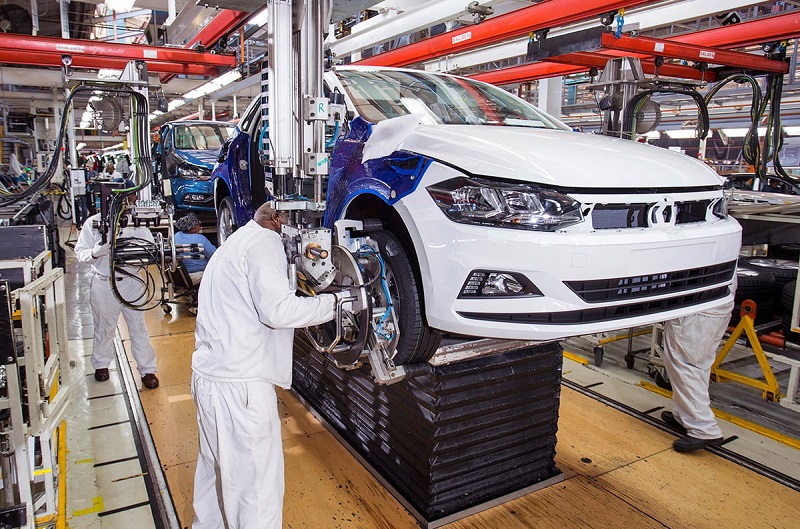
“The most important microeconomics news in South Africa today (July 26, 2026) is the sharp decline in vehicle export values, which fell by more than 20% in the first quarter of 2026, threatening the sustainability of the domestic motor manufacturing sector. This downturn, driven by high production costs, port inefficiencies, and competition from cheap Chinese imports, has pushed South Africa’s trade account into deficit, raising concerns about jobs, foreign exchange earnings, and industrial competitiveness.”
South Africa’s motor manufacturing industry, long considered a cornerstone of its industrial base and a vital source of foreign exchange, is facing a severe crisis. Recent data show that vehicle and component export values declined by more than 20% in Q1 2026, continuing a downward trend that has now tipped the country’s trade account into deficit. This development has sparked alarm among policymakers, economists, and industry leaders, as the sector’s health directly impacts employment, fiscal revenues, and South Africa’s global competitiveness.
The Role of Vehicle Exports in South Africa’s Economy
- Foreign exchange earnings: Vehicle exports contribute significantly to South Africa’s international trade account, helping stabilize the rand and finance imports.
- Employment: The motor industry supports tens of thousands of jobs, both directly in manufacturing and indirectly through logistics, dealerships, and suppliers.
- Industrial base: Automotive production is a symbol of South Africa’s industrial capacity, attracting foreign investment and technology transfer.
Causes of the Decline
- High production costs: Rising energy prices, wage pressures, and inefficiencies have eroded competitiveness.
- Port inefficiencies and unreliable logistics: Congestion, delays, and infrastructure failures have disrupted supply chains.
- Skills shortages: A lack of specialized labor has constrained productivity and innovation.
- Policy environment: Ideological policies have hindered small business growth and limited industry flexibility.
- Cheap imports from China: Floods of low-cost vehicles have undercut South African exports in key markets.
Impact on the Trade Balance
- The trade account slipped into deficit in May 2026, reversing gains from mineral exports.
- This deficit weakens fiscal stability, as reduced foreign exchange inflows strain reserves and increase reliance on debt.
- The decline undermines South Africa’s ability to leverage its industrial base for long-term growth.
Broader Microeconomic Implications
- Households: Rising vehicle prices domestically, coupled with reduced export competitiveness, may limit consumer choice and affordability.
- Businesses: Suppliers and logistics firms face declining demand, reducing investment incentives.
- Government: Lower tax revenues from exports and industry profits challenge fiscal planning.
Comparative Perspective
Globally, automotive industries are adapting to electric vehicle (EV) transitions, automation, and supply chain resilience. South Africa risks falling behind if it cannot modernize its industry and address structural inefficiencies. Countries like Mexico and Thailand, with competitive costs and efficient logistics, are gaining market share at South Africa’s expense.
Policy Recommendations
- Infrastructure investment: Modernize ports and logistics to reduce delays.
- Skills development: Expand vocational training in automotive engineering and logistics.
- Industrial policy reform: Encourage small business participation and reduce regulatory barriers.
- Trade strategy: Negotiate favorable trade agreements to counter cheap imports.
- Technology adoption: Incentivize EV production and automation to align with global trends.
Conclusion
The slump in vehicle exports is more than a temporary setback—it is a warning signal for South Africa’s industrial future. Without urgent reforms, the country risks losing a crucial industry that underpins its trade balance, employment, and fiscal stability. Policymakers must act decisively to restore competitiveness, modernize infrastructure, and position South Africa’s motor industry for the challenges of the 21st century.



