




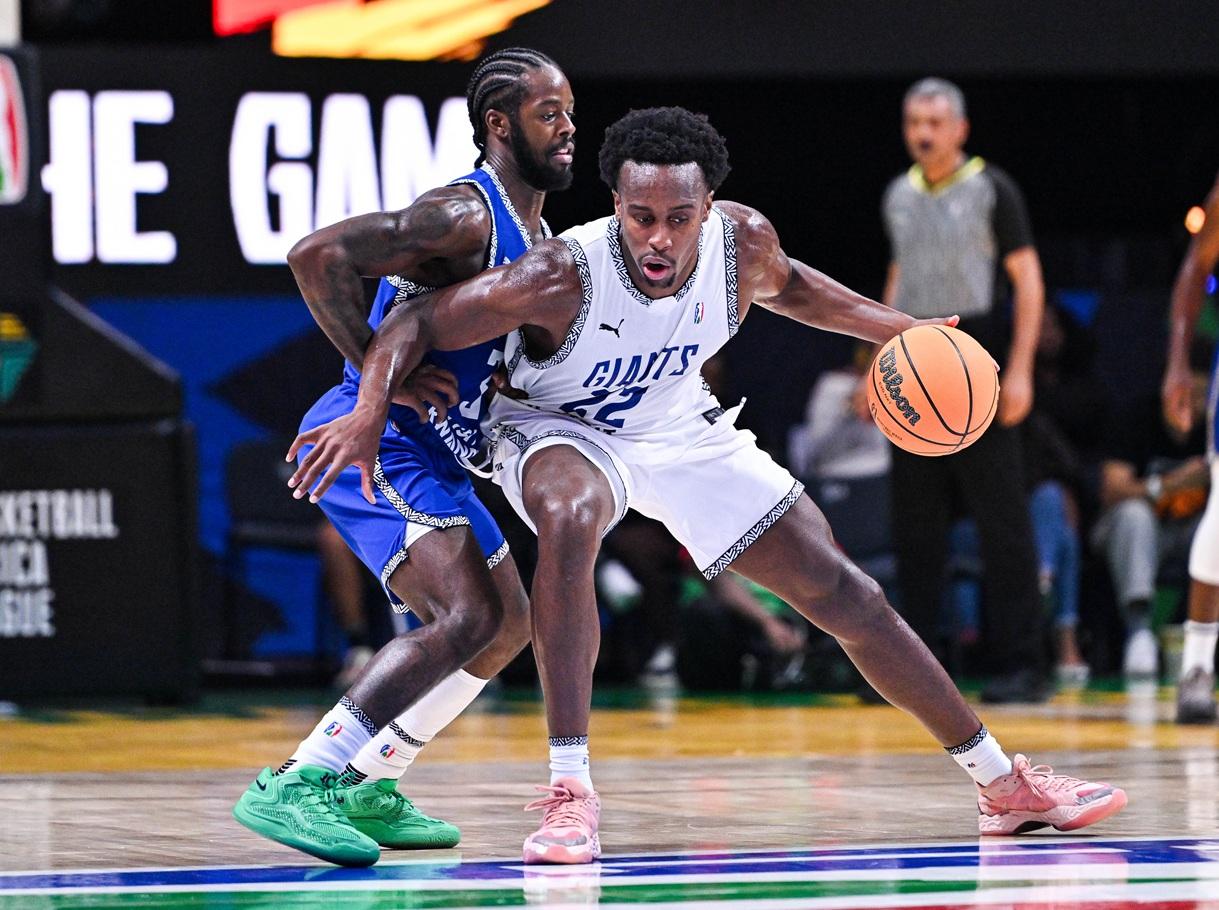
“South African basketball is facing renewed uncertainty over its representative for the 2027 Basketball Africa League (BAL) qualification competition following a disagreement between Basketball South Africa (BSA) and the Basketball National League (BNL) over the Johannesburg Giants and Soweto Panthers. The dispute has raised important questions about sporting authority, competition recognition, governance and the future of basketball development in the country.”
South African Basketball Faces a Defining Test as Johannesburg Giants and Soweto Panthers Dispute Road to BAL 2027 Representation
South African basketball is confronting an important moment in its development as competing institutional claims over the country’s representative for the Road to Basketball Africa League (BAL) 2027 qualification competition continue to attract attention. The disagreement involving Basketball South Africa (BSA), the Basketball National League (BNL), Johannesburg Giants and Soweto Panthers has placed the administration of the sport under renewed scrutiny.
The controversy extends beyond the achievements of two successful basketball clubs. It highlights broader questions about national representation, competition recognition, governance, transparency and the structures needed to support the sustainable development of basketball in South Africa.
The issue became particularly prominent in October 2026, when the Basketball National League announced Soweto Panthers as South Africa’s representative for the Road to BAL 2027 following the club’s victory in the 2026 BNL championship. Basketball South Africa subsequently challenged that announcement, maintaining that Johannesburg Giants were the legitimate national champions and the team officially confirmed through its national championship process.
Soweto Panthers celebrate a significant domestic achievement
Soweto Panthers earned considerable recognition after winning the 2026 Basketball National League men’s championship.
The club defeated Western Cape Mountaineers 74–70 in the final, completing an unbeaten season and securing an important achievement in South African basketball. The championship provided the Panthers with a platform to demonstrate their competitive strength and establish themselves among the country’s prominent basketball teams.
According to the Basketball National League, the Panthers’ success also earned them an opportunity to participate in the Road to BAL 2027 qualification competition.
The club’s championship campaign represented an important milestone for its players, coaches, supporters and management. Competing successfully at national level offers players opportunities to demonstrate their abilities, develop experience and potentially advance towards continental basketball.
The Panthers’ achievement also reflects the contribution of domestic competitions to the broader basketball ecosystem. National leagues provide players with competitive opportunities, help develop coaching experience and create a foundation for clubs seeking international recognition.
However, their BNL championship victory became the starting point of a disagreement over which competition and organisation should determine South Africa’s representative for the continental qualification pathway.
Johannesburg Giants defend their national championship credentials
Johannesburg Giants have also established a strong position in South African basketball through their success in the Basketball South Africa National Club Championships.
Basketball South Africa maintains that the Giants emerged as the legitimate national champions through its official championship process. The federation has argued that the club’s achievement qualifies it to represent the country in the Road to BAL 2027 competition.
According to reporting by Eyewitness News, BSA stated that its confirmation of Johannesburg Giants had already been communicated to the FIBA Africa Competitions office without objection or reservation.
The federation subsequently rejected the announcement naming Soweto Panthers as South Africa’s representatives, arguing that the selection was irregular and procedurally flawed.
This disagreement has created a situation in which two clubs possess separate domestic achievements while competing institutional positions determine which achievement should lead to international representation.
The distinction is important because winning the Basketball National League and winning the Basketball South Africa National Club Championships are separate sporting accomplishments. Establishing which competition determines continental qualification requires consideration of the applicable regulations, competition arrangements and official decisions.
Consequently, the controversy cannot be resolved simply by comparing the two clubs’ results. It requires a clear determination of the procedures governing South African representation.
Basketball governance remains central to the dispute
The disagreement has emerged against the background of broader governance challenges affecting South African basketball.
Earlier in 2026, the Department of Sport, Arts and Culture, FIBA Africa and the South African Sports Confederation and Olympic Committee (SASCOC) began efforts to address governance concerns within the sport.
The initiative was intended to support the rebuilding of basketball administration, improve institutional accountability and establish a sustainable framework for the development of the game.
Sports Minister Gayton McKenzie previously highlighted the importance of addressing governance problems within Basketball South Africa. In March 2026, the minister explained that government recognition and funding arrangements had been affected by serious governance concerns associated with the hosting of the 2024 AfroBasket tournament.
The department subsequently indicated that cooperation with FIBA Africa and SASCOC would form part of a process aimed at rebuilding basketball governance and establishing credible leadership.
The broader objective was to restore confidence in the administration of basketball while supporting opportunities for young South Africans to participate in the sport.
Basketball remains popular among young people across the country, making effective governance particularly important for development programmes, schools, clubs and professional competitions.
The breakdown between Basketball South Africa and the Basketball National League
Another important dimension of the controversy concerns the relationship between Basketball South Africa and the Basketball National League.
Eyewitness News reported that documents relating to the organisations’ contractual relationship indicated that BSA had formally notified the BNL in June 2024 that its licensing agreement would not be renewed.
According to the reported correspondence, the agreement originally signed in October 2013 had ended on 30 September 2023.
BSA stated that it would not renew the arrangement and that it did not endorse programmes or competitions organised by the BNL.
The correspondence also reportedly requested that the league stop using BSA and FIBA logos in its activities.
This background helps explain why the announcement of Soweto Panthers as South Africa’s representative generated such a strong response from the federation.
Nevertheless, the contractual history alone does not establish every detail of the current qualification dispute. The relevant competition regulations, official communications and decisions by the responsible continental authorities remain essential to determining the final outcome.
The disagreement illustrates how unresolved institutional relationships can affect clubs, players and competition organisers.
When responsibilities are unclear, sporting achievements can become entangled in administrative disagreements, potentially affecting preparation schedules, sponsorship opportunities and confidence among supporters.
FIBA Africa’s role in determining the qualification pathway
FIBA Africa is central to the Road to BAL qualification process because the competition forms part of the Basketball Africa League’s continental pathway.
The competing claims involving the Johannesburg Giants and Soweto Panthers have therefore raised questions about the procedures applied when a country identifies its representative.
Basketball South Africa has indicated that it intends to pursue a formal objection and appeal through the relevant FIBA structures.
The federation’s position is that national representation should follow the applicable rules and procedures, with appropriate recognition of its national championship process.
Meanwhile, the Basketball National League has welcomed the reported confirmation of Soweto Panthers’ registration for the qualification cycle, describing the development as an important opportunity for South African basketball.
The league has emphasised the Panthers’ sporting achievement and the importance of providing domestic clubs with opportunities to compete internationally.
The competing positions demonstrate why transparent communication and timely clarification from the relevant authorities are essential.
A clearly documented decision would help the clubs understand their respective positions, provide supporters with accurate information and enable the selected team to prepare effectively for continental competition.
It would also contribute towards establishing greater confidence in the structures responsible for representing South African basketball internationally.
The Road to BAL represents an important opportunity for clubs seeking to compete beyond their domestic competitions.
The Basketball Africa League has developed into a significant continental basketball platform, bringing together clubs from different African countries and creating opportunities for players to demonstrate their abilities against international opposition.
South African participation can strengthen the country’s basketball profile, encourage investment and provide valuable competitive experience.
The Johannesburg Giants have already experienced the Basketball Africa League environment, having participated in the 2026 season. Their involvement helped increase the visibility of South African basketball and demonstrated the possibilities available to domestic clubs.
Soweto Panthers’ reported qualification opportunity would similarly represent an important step for the club and its players.
For either club, participation in continental competition could provide opportunities to develop tactical experience, improve player performance and build relationships with basketball organisations across Africa.
International competition can also support domestic development by exposing players and coaches to different playing styles, training approaches and professional standards.
However, these opportunities depend on stable administration and a reliable qualification process.
South African basketball stakeholders therefore have a shared interest in ensuring that the dispute is resolved in a manner that protects the credibility of the sport and supports the development of clubs and players.
The importance of transparency and accountability
The controversy highlights the need for transparent competition structures and clearly defined responsibilities.
Players and clubs invest significant time, resources and effort in preparing for national competitions. Their achievements should be recognised through consistent procedures that provide certainty about qualification and representation.
Transparent selection processes can help prevent disputes, strengthen confidence among stakeholders and ensure that international opportunities are allocated according to established regulations.
For sponsors, administrators and supporters, clarity also makes it easier to understand the competitive landscape and identify opportunities to support basketball development.
The broader governance process should therefore focus on improving communication, strengthening institutional cooperation and establishing a framework that protects the interests of athletes.
These measures are particularly important for a sport seeking to expand participation, attract investment and develop professional opportunities for young players.
The future of basketball development in South Africa
South African basketball has considerable potential for growth.
The country’s clubs, schools, universities and community programmes provide important foundations for player development. Domestic competitions also offer opportunities for coaches, officials and administrators to develop their skills.
However, sustainable growth requires more than competitive matches.
Basketball needs dependable governance structures, accessible facilities, stronger youth programmes, financial support and opportunities for talented players to progress through different levels of competition.
Cooperation between government, sporting organisations, clubs, sponsors and communities can help address these priorities.
The Road to BAL dispute provides an opportunity for stakeholders to consider how competition structures can become more transparent and reliable.
Resolving the immediate disagreement would be an important step, but the longer-term objective should be to establish a system capable of supporting basketball development across the country.
Conclusion: A defining moment for South African basketball
South African basketball is facing a significant test as the Johannesburg Giants and Soweto Panthers dispute continues to highlight questions about national representation and sporting governance.
The Panthers’ BNL championship victory and the Giants’ national club championship achievement demonstrate the competitive strength of domestic basketball.
However, determining South Africa’s representative for the Road to BAL 2027 requires clarity regarding competition recognition, institutional authority and the applicable qualification procedures.
The dispute has also reinforced the importance of addressing governance challenges and improving cooperation between basketball stakeholders.
For players, supporters and clubs, the priority is a transparent and timely resolution that protects sporting achievements and provides certainty about international participation.
South African basketball has opportunities to grow through professional competition, youth development and stronger continental engagement.
Realising that potential will require accountable leadership, effective administration and a shared commitment to the future of the game.
The outcome of the Road to BAL dispute could therefore carry significance beyond the immediate qualification question. It may help shape how South African basketball approaches governance, competition recognition and international representation in the years ahead.
Ultimately, the success of South African basketball will depend not only on performances on the court but also on the strength, credibility and cooperation of the institutions responsible for supporting the sport.



