




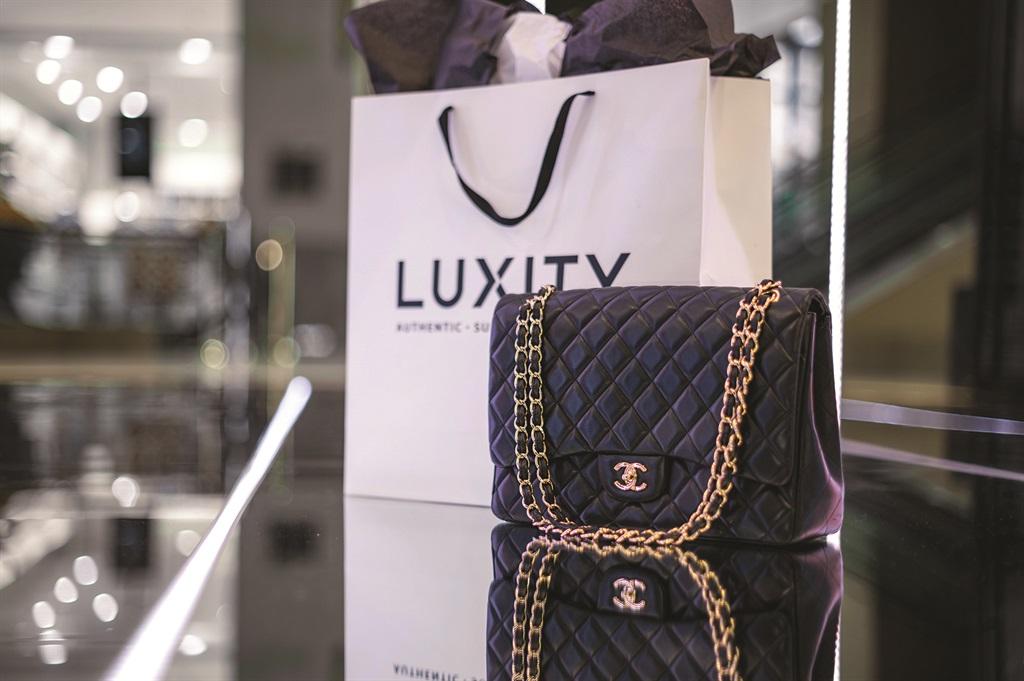
“South Africa’s luxury accessories market is experiencing changing consumer preferences, with handbags, jewellery and selected watches attracting interest from shoppers seeking quality, distinctive design and potential resale value. Luxity’s 2026 market report highlights the growing importance of pre-owned luxury, with 57.7% of purchases on its platform costing less than R10,000.”
South Africa’s luxury accessories market evolves as consumers embrace quality, individuality and pre-owned fashion
South Africa’s fashion accessories market is entering an interesting period as consumers increasingly consider the quality, durability, individuality and longer-term value of the products they purchase. From luxury handbags and designer jewellery to watches, sunglasses and everyday fashion accessories, buying decisions are becoming more closely connected to personal style, affordability and product authenticity.
Recent findings from Luxity’s State of the Luxury Market in Africa 2026 report provide an important perspective on these developments. The research examines consumer searches and completed transactions on the company’s platform between July 2025 and June 2026. It also considers international resale research to understand how luxury fashion preferences are changing.
One of the most important findings is that handbags remain a major category in the South African luxury market. They accounted for 22.50% of category search interest, while the broader accessories category represented 19.05%. Jewellery contributed 8.56%, sunglasses 6.63% and watches 4.84%.
These figures demonstrate the continuing importance of accessories within luxury fashion. Although clothing remains an essential part of personal style, accessories provide consumers with opportunities to express their identities without necessarily replacing their entire wardrobes.
Handbags remain central to luxury fashion
Handbags continue to occupy an important position in the South African accessories market because they combine practicality, appearance and brand identity.
Designer handbags are often purchased for everyday convenience, professional use, special occasions and personal collections. However, their appeal extends beyond functionality. A carefully selected handbag can become a defining element of an outfit, communicating individual taste and an appreciation of craftsmanship.
The Luxity report identifies Louis Vuitton and Gucci as two of the most searched luxury brands in South Africa. Louis Vuitton recorded 14.07% of brand search interest, while Gucci achieved 11.16%.
Nevertheless, the report indicates that consumers are exploring a wider range of brands. Loewe increased its share of brand interest from 0.30% to 0.72%, while Hermès rose from 1.52% to 2.25%.
This diversification suggests that established international labels continue to attract attention, but smaller or less dominant names are also gaining recognition among luxury shoppers.
For fashion retailers, the development creates opportunities to introduce consumers to different handbag designs, materials, colours and product histories.
Pre-owned accessories become an important shopping option
Another significant development is the continuing relevance of the pre-owned luxury market.
Previously, second-hand designer products could be associated with uncertainty about authenticity, condition and ownership history. However, specialist resale businesses have helped introduce more structured purchasing experiences through product verification and professional presentation.
For consumers, pre-owned shopping can provide access to luxury products at prices below their original retail costs. It also creates opportunities to discover discontinued designs, older collections and distinctive pieces that are difficult to find through conventional retail channels.
Luxity’s research indicates that the median purchase price on its platform remained R8,000 in 2026. Furthermore, 57.7% of completed purchases were below R10,000.
This is particularly important in a market where affordability remains a consideration. Consumers can explore premium fashion accessories without necessarily entering the highest luxury price categories.
The figures also demonstrate that the pre-owned market is not limited to extremely wealthy collectors. A substantial proportion of purchases falls within a lower price bracket.
However, shoppers should still consider authenticity, condition, seller credibility and the availability of supporting documentation before purchasing expensive second-hand products.
Jewellery attracts attention through craftsmanship and individuality
Jewellery remains another important component of South African fashion accessories.
Necklaces, earrings, bracelets and rings can transform everyday clothing into more distinctive outfits. Consumers also increasingly have opportunities to explore different materials, contemporary designs and combinations of traditional craftsmanship with modern fashion influences.
The Luxity report recorded jewellery at 8.56% of category search interest. It also identified Cartier as the leading jewellery brand in its resale-value comparison, at 76.9% of estimated retail value.
South African jeweller Browns also demonstrated increased brand interest, rising from 0.28% to 0.49%.
This is noteworthy because it shows that local heritage and established international luxury names can both contribute to the country’s jewellery conversation.
Beyond luxury retail, independent designers and craft businesses have opportunities to develop distinctive collections that incorporate locally relevant materials, creative techniques and cultural influences.
For emerging designers, differentiation can come from more than expensive materials. Design originality, craftsmanship, product quality and the story behind a collection can help establish a recognisable identity.
Watches reflect changing preferences
Watches occupy a distinctive position within fashion accessories because they combine practical functionality with design and personal expression.
Although the overall watch category recorded 4.84% of luxury category search interest in Luxity’s research, the report identified a notable change in preferences for smaller watch cases.
The share of measured watch purchases involving cases up to 34 millimetres increased from 35% to 43.8%.
This development indicates growing interest in more compact watch proportions. Smaller watches can complement formal outfits, business clothing and casual fashion, while offering a different aesthetic from larger statement designs.
Rolex remained particularly strong in the report’s resale-value comparison, achieving 95.1% of estimated retail value across its measured watch catalogue.
Omega also recorded an increase in brand search interest.
These developments suggest that watch retailers should pay attention to changing proportions, established brand reputations and the different preferences of customers seeking everyday watches and collectible timepieces.
Sunglasses and everyday accessories create further opportunities
Sunglasses are another important part of the accessories industry. They provide practical protection from sunlight while contributing to the overall appearance of an outfit.
Different frame shapes, lens colours and materials allow consumers to select products that complement their personal style.
The Luxity report recorded sunglasses at 6.63% of category search interest. Although this is below handbags and the broader accessories category, sunglasses remain a relevant component of luxury fashion.
Other products, including belts, wallets, scarves, hats and decorative accessories, also offer opportunities for retailers and independent designers.
Consumers can use relatively small purchases to refresh existing wardrobes. A different belt, statement necklace, handbag or pair of sunglasses can introduce a new visual direction without requiring a complete clothing replacement.
This creates opportunities for businesses to develop coordinated product collections and encourage customers to combine complementary accessories.
Local designers have opportunities to strengthen the industry
South Africa has a growing community of independent designers and creative entrepreneurs working across handbags, jewellery, textiles and handcrafted fashion products.
Local brands can differentiate themselves by incorporating South African design influences, supporting local production and developing products that appeal to both domestic and international consumers.
One example is Sak.Sak, a South African bag brand that has highlighted local manufacturing, employment and sustainability as important parts of its business identity.
Another example is Mayaka Accessories, which has developed handcrafted beaded bags and accessories around individuality and African craftsmanship.



