




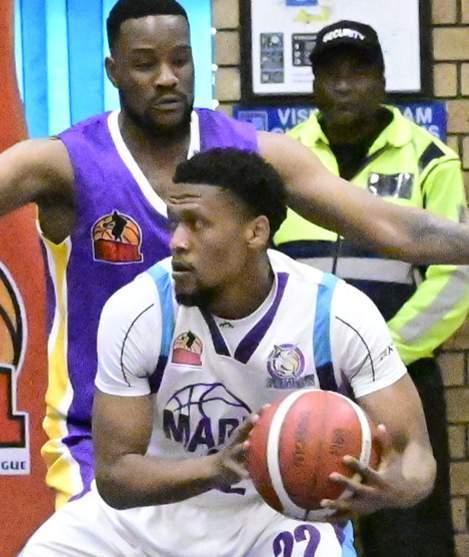
“South African basketball is facing renewed governance and organisational challenges following disagreements over the country’s representative in the Road to the Basketball Africa League (BAL) 2027 competition. Johannesburg Giants coach and chief executive Florsheim Ngwenya has called for a more competitive national league built around independently operated clubs, raising important questions about accountability, financial sustainability, competition structures and the future development of basketball in South Africa.”
South African Basketball Faces Renewed Governance Challenges as Calls Grow for a More Competitive National League
South African basketball is approaching an important turning point as questions surrounding governance, competition structures, club representation and financial sustainability continue to influence the future of the sport. Renewed calls for a more competitive national basketball league have brought attention to the need for stronger administration, transparent decision-making and greater opportunities for independently operated clubs. The debate has become particularly important following disagreements over the country’s representative in the Road to the Basketball Africa League (BAL) 2027 qualification competition.
The controversy involves Basketball South Africa (BSA), the Basketball National League (BNL), Johannesburg Giants and Soweto Panthers. It has highlighted divisions within the country’s basketball administration while raising concerns about the structures responsible for organising domestic competitions and representing South African clubs internationally.
At the centre of the latest debate is Johannesburg Giants coach and chief executive Florsheim Ngwenya, who has called for a new national league designed around independently operated clubs. His proposal reflects growing concerns about the competitiveness, financial requirements and administrative arrangements of existing basketball structures. It also presents an opportunity to reconsider how clubs, administrators, sponsors and other stakeholders can work together to build a sustainable professional basketball environment.
Disagreement over South Africa’s continental representation
The dispute intensified after the Basketball National League announced Soweto Panthers as South Africa’s representatives for the Road to BAL 2027 following their success in the 2026 BNL competition.
However, Johannesburg Giants maintained that they had earned the opportunity through their victory at the 2026 Basketball South Africa National Club Championship. The disagreement consequently developed into competing claims about which organisation had the authority to determine the country’s official representative.
Basketball South Africa rejected the endorsement of Soweto Panthers, arguing that Johannesburg Giants were the legitimate national champions and that their selection had already been communicated to FIBA Africa.
The dispute raised questions about the relationship between domestic league competitions, national federation recognition and international qualification procedures. It also demonstrated how disagreements between sporting organisations can affect clubs, players and supporters who depend on clear competition regulations.
According to Eyewitness News reporting published on 19 October 2026, BSA described the appointment of Soweto Panthers as irregular and procedurally flawed. The federation indicated that it intended to challenge the decision through the appropriate FIBA structures.
These competing positions make the issue bigger than a disagreement between two basketball clubs. The outcome has implications for the credibility of national championships, the authority of sporting institutions and the ability of South African teams to participate in continental competitions under clearly established rules.
Florsheim Ngwenya calls for a new national league
One of the most significant developments emerging from the controversy is Ngwenya’s proposal for a national competition that gives independently operated clubs a stronger role in determining the direction of the league.
His argument centres on the need for a system in which participating clubs have a meaningful voice in governance, competition management and financial decisions.
Under the proposed approach, clubs could establish a collective governing structure through a board of governors. This arrangement would provide representatives with an opportunity to contribute to decisions concerning competition regulations, administration, financial planning and long-term development.
The proposal also raises important questions about the relationship between club ownership and league administration. Clubs invest in players, coaching staff, facilities, transportation, accommodation and training programmes. Consequently, they need a competition structure that offers stability and a reasonable opportunity to recover their investments through sponsorships, commercial partnerships and sporting success.
A more competitive league could also encourage clubs to improve their management systems, strengthen their youth development programmes and attract professional coaching expertise.
However, introducing such a model would require careful planning. Participating clubs would need to agree on governance arrangements, financial obligations, competition standards and procedures for resolving disputes.
Ngwenya’s proposals therefore contribute to an important national conversation about how South African basketball can establish a stronger foundation for sustainable professional competition.
The importance of stronger basketball administration
The debate is unfolding alongside broader efforts to improve the administration of Basketball South Africa.
On 17 November 2026, acting South African Sports Confederation and Olympic Committee president Lwandile Simelane announced the appointment of experienced sports administrators Anne Vermaak and Mandla Gagayi to a task team supporting the revival of the national basketball federation.
Their appointments represent an important development in efforts to strengthen administrative capacity and restore confidence in the organisation of the sport.
Vermaak brings experience from South African Gymnastics and Golf RSA, while Gagayi has experience in university sports administration and serves as Director of Sports at the University of the Witwatersrand.
Their experience could contribute to improving organisational management, stakeholder relationships and the systems required to operate a national sporting federation.
The involvement of experienced administrators is particularly relevant because successful basketball development requires more than talented athletes and competitive matches. It also requires effective governance, financial accountability, professional administration and clearly defined responsibilities.
The task team’s work could help create a stronger institutional environment in which clubs, provincial structures, schools and development organisations can cooperate.
Nevertheless, rebuilding confidence will require practical results. Stakeholders will need to see transparent decision-making, consistent communication and measurable improvements in the administration of basketball.
Financial sustainability remains a major challenge
Financial sustainability is another important consideration in the debate surrounding the future of South African basketball.
Professional basketball clubs face several operating expenses, including player salaries, coaching costs, equipment, medical support, venue hire, travel and accommodation. These costs can become difficult to manage when clubs do not have reliable sponsorship agreements or predictable competition revenue.
A well-organised national league could help address some of these challenges by developing stronger commercial partnerships and providing a more attractive platform for sponsors.
Basketball also has opportunities to grow through broadcasting, digital streaming, merchandise, ticket sales, community events and corporate sponsorships.
For example, a competitive national league could attract companies interested in reaching young consumers, university communities and urban sporting audiences. Sponsorship agreements could support individual clubs, competition rounds, youth academies and national development programmes.
However, commercial growth depends on credibility. Sponsors are more likely to invest when they understand the competition structure, know who is responsible for managing funds and can see a consistent programme of sporting activities.
Consequently, resolving governance disagreements is not simply an administrative exercise. It is also an important step towards creating an environment in which basketball can attract long-term investment.
Developing opportunities for young players
The future of South African basketball will also depend on the opportunities available to young athletes.
Schools, universities, community clubs and provincial competitions provide important pathways through which players develop their skills and gain competitive experience.
A stronger national league could create a clearer progression from grassroots basketball to professional competition. Young players would benefit from opportunities to train alongside experienced athletes, work with qualified coaches and compete in a more structured environment.
Development programmes should also address the needs of female basketball players, wheelchair basketball athletes and communities that have limited access to sporting facilities.
Improving access to coaching, equipment, indoor courts and organised competitions could help identify talented players from different parts of the country.
In addition, partnerships between schools, universities and professional clubs could create more opportunities for young athletes to combine education with sporting development.
These initiatives would strengthen the national basketball talent pipeline while helping clubs build sustainable teams.
The importance of resolving institutional disagreements
The disagreement involving Johannesburg Giants and Soweto Panthers illustrates the importance of clearly defined competition rules and institutional responsibilities.
Clubs need to understand how national champions are determined, which organisation administers the relevant competition and how representatives qualify for continental tournaments.
Similarly, administrators need procedures that allow disagreements to be addressed through transparent and credible mechanisms.
FIBA Africa’s role in the matter is therefore important because the dispute concerns international club competition representation. The applicable regulations, communications and decisions will need to be considered carefully before definitive conclusions can be reached.
It is equally important that the parties involved have an opportunity to present their positions.
For supporters, the priority should be a fair resolution that protects the integrity of basketball competitions and provides South African clubs with confidence in the qualification process.
The situation also demonstrates why cooperation between national sports authorities, federations, leagues and clubs is essential.
A significant opportunity for South African basketball
Despite the challenges, the renewed discussion about national league reform presents an opportunity to build a stronger future for the sport.
South Africa has the potential to develop a competitive basketball environment supported by professional clubs, strong youth academies, improved facilities and effective commercial partnerships.
The Basketball Africa League provides an important continental platform through which African clubs can demonstrate their abilities and attract international attention.
South African participation in such competitions can also encourage investment in local basketball and create opportunities for players, coaches and administrators.
However, international ambitions must be supported by reliable domestic structures. A strong national competition, transparent administration and financially sustainable clubs are essential foundations for long-term success.
Ultimately, the calls for a new competitive league and the ongoing efforts to strengthen Basketball South Africa highlight the importance of institutional reform.
The challenge now is to translate discussions and proposals into practical improvements that benefit the entire basketball community.
For players, clubs, coaches, sponsors and supporters, the future of South African basketball will depend on whether stakeholders can establish a stable, accountable and competitive system that puts the development of the sport first.



