




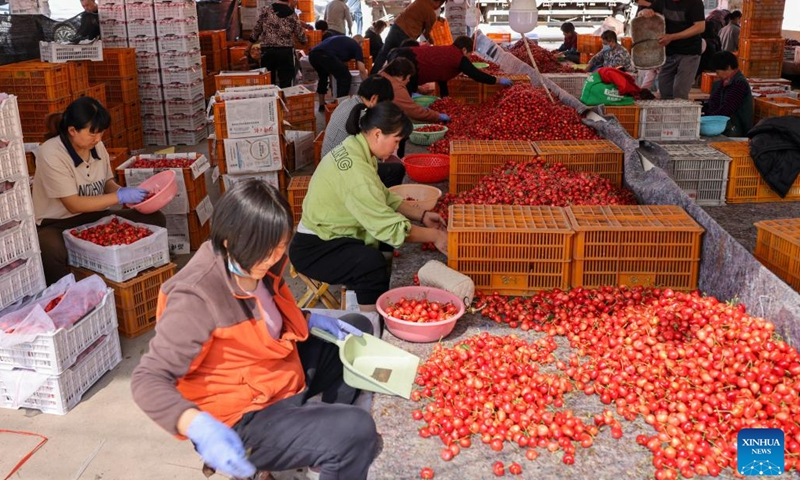
“South Africa has secured a historic trade protocol with China, granting its cherry producers tariff-free access to the world’s largest cherry market. The deal is expected to generate significant economic opportunities, stimulate investment in orchards, and create approximately 600 new jobs in the agricultural sector.”
On September 8, 2026, South Africa achieved a milestone in its agricultural trade relations by signing a landmark protocol with China that opens the door for cherry exports into the Chinese market. This agreement, concluded during the ninth Sanitary and Phytosanitary (SPS) Ministerial Meeting in Beijing, represents a breakthrough for South African farmers and exporters, who have long sought access to one of the world’s most lucrative fruit markets.
Background of the Agreement
Agriculture Minister Wille Aucamp and Sun Meijun, Minister of the General Administration of Chinese Customs (GACC), formalized the deal, which grants South African cherries zero-tariff entry into China. This is the second market access protocol signed between the two nations within a single year, a record-breaking achievement that underscores the strengthening bilateral trade relationship.
Economic Significance
China is the world’s largest importer of cherries, having imported nearly 586,900 tonnes in 2025, valued at US$3.3 billion (R52.8 billion). For South Africa, gaining access to this market means tapping into a high-value export channel that could transform its horticultural industry. The agreement is expected to stimulate fresh investment in cherry orchards, expand supply chains, and create around 600 new jobs, particularly in rural farming communities.
Impact on South African Farmers
South African cherry producers, who previously faced limited export destinations, now have the opportunity to diversify their markets. The deal is expected to encourage farmers to expand production, adopt modern farming techniques, and invest in cold storage and logistics infrastructure to meet the stringent quality standards of Chinese buyers.
Bilateral Relations and Broader Trade Context
The cherry protocol is part of a broader Framework Agreement on Economic Partnership for Shared Development between South Africa and China. This framework emphasizes inclusive growth, job creation, and expanded trade opportunities. Minister Aucamp highlighted that negotiations are also underway to secure market access for South African blueberries, signaling that the cherry deal is only the beginning of deeper agricultural cooperation.
Industry Reactions
FruitSA and other industry stakeholders have welcomed the agreement, noting that tariff-free access will catalyze investment across orchards and supply chains. Exporters anticipate strong demand from Chinese importers, who value South Africa’s reputation for high-quality produce. The South Africa-China Fruit Trade Business Forum, held alongside the SPS meeting, provided a platform for producers and Chinese buyers to strengthen commercial ties.
Challenges and Opportunities
While the agreement presents immense opportunities, challenges remain. South African producers must scale up production to meet demand, ensure compliance with China’s biosecurity standards, and compete with established exporters such as Chile. However, the zero-tariff advantage provides South Africa with a competitive edge that could help it carve out a significant share of the Chinese market.
Broader Economic Context
The deal comes at a time when South Africa’s economy is under pressure, having contracted by 0.2% in the second quarter of 2026 due to weak performance in mining, manufacturing, and trade sectors. The cherry protocol offers a ray of hope, signaling that agricultural exports could play a vital role in driving recovery and offsetting losses in other industries.
Conclusion
The opening of the Chinese market to South African cherries marks a turning point in the country’s agricultural trade strategy. By securing zero-tariff access, South Africa has positioned itself to benefit from one of the world’s most dynamic consumer markets. The agreement is expected not only to boost exports and create jobs but also to strengthen bilateral ties with China, paving the way for future agricultural trade opportunities.



