




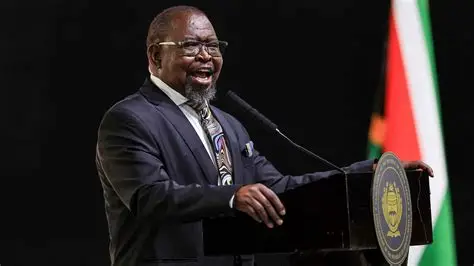
“Finance Minister Enoch Godongwana’s 2026 Budget Speech projects debt stabilization at 78.9% of GDP, modest growth of 1.6%, and over R1 trillion in infrastructure investment. The plan balances fiscal discipline with social protection, offering tax relief, regulatory reforms, and measures to boost business confidence.”
South Africa’s 2026 Budget Speech, delivered by Finance Minister Enoch Godongwana, represents a defining moment in the country’s economic trajectory. After years of fiscal strain and rising debt, the government has unveiled a comprehensive plan aimed at stabilizing debt, fostering growth, and strengthening investor confidence. This article explores the key elements of the budget, its implications for business policy, and the challenges ahead.
Debt Stabilization: A Structural Turning Point
- Debt-to-GDP projected to peak at 78.9% in 2025/26, before declining below 75% within five years.
- Stabilization is expected to ease debt-servicing costs, which currently absorb 5% of GDP.
- This marks a shift from nearly two decades of rising debt levels, signaling a commitment to fiscal discipline.
Growth Outlook
- GDP growth forecast at 1.6% in 2026, rising to 2% by 2028.
- Growth is expected to be driven by infrastructure investment, energy reforms, and improved logistics.
- The government aims to restore business confidence by addressing structural bottlenecks.
Infrastructure Investment
- Over R1 trillion allocated to energy, logistics, and municipal upgrades.
- Priority projects include renewable energy expansion, rail modernization, and water infrastructure.
- These investments are designed to stimulate job creation and improve competitiveness.
Tax Relief and Regulatory Reforms
- Withdrawal of a proposed R20 billion tax increase.
- Inflation-linked personal income tax relief to ease household burdens.
- Regulatory reforms in energy and logistics to reduce costs for businesses.
Social Protection
- Expanded social grants, prioritizing the “social wage” without broad tax hikes.
- Focus on balancing fiscal discipline with social equity.
- Measures aim to protect vulnerable households while sustaining economic growth.
Market Reaction
- Bond yields fell following the announcement, signaling investor confidence.
- Ratings agency S&P maintained a positive outlook.
- The rand showed resilience, stabilizing against major currencies.
Business Policy Implications
- The budget signals a pro-business policy shift, emphasizing stability and predictability.
- Infrastructure investment is expected to reduce operational costs for industries.
- Tax relief and regulatory reforms aim to encourage entrepreneurship and foreign investment.
Challenges Ahead
- Global uncertainties, including oil price volatility due to Middle East tensions, pose risks.
- Domestic challenges such as unemployment and inequality remain pressing.
- Effective implementation of infrastructure projects will be critical to success.
Conclusion
The 2026 Budget Speech marks a turning point for South Africa’s economic and business policy trajectory. By stabilizing debt, investing in infrastructure, and balancing fiscal discipline with social protection, the government aims to lay the foundation for sustainable growth. While challenges remain, the policy reforms outlined in the budget provide a roadmap for renewed investor confidence and economic resilience.



