




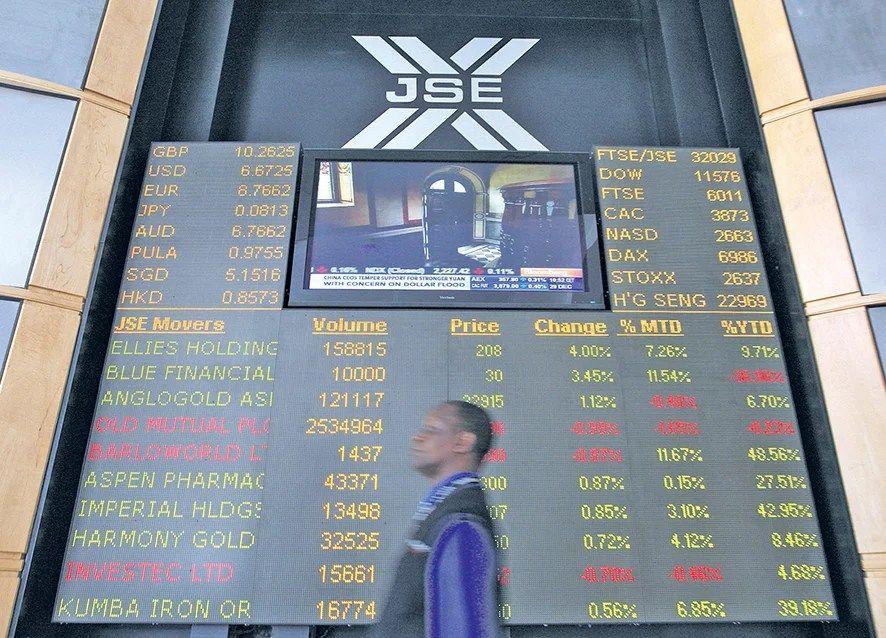
“The South African rand was heading for its fourth consecutive weekly decline on Friday, with the currency down nearly 2% over the week as a stronger US dollar and rising global bond yields encouraged investors to reduce exposure to emerging-market assets. Despite supportive South African economic indicators and an early recovery in Johannesburg equities, global financial conditions remained the dominant influence on the rand and other local assets.”
South African Rand Heads for Fourth Weekly Loss as Dollar Strength and Rising Yields Pressure Markets
South Africa’s financial markets entered October under renewed pressure as the rand headed towards its fourth consecutive weekly decline, highlighting the continuing influence of global interest rates, the US dollar and international investor risk appetite on domestic assets.
According to Reuters, the rand was on track to lose nearly 2% during the week ending Friday, 2 October 2026. By 0858 GMT on Friday, the currency had recovered about 0.2% to trade at R16.6675 against the US dollar, but that modest improvement was not enough to offset losses recorded earlier in the week.
The latest weakness illustrates the sensitivity of South Africa’s markets to changes in global financial conditions. Although domestic economic data provided some encouraging signals, investors continued to respond to rising US Treasury yields and a stronger dollar. These developments can make emerging-market currencies and assets less attractive relative to dollar-denominated investments.
Rand Remains Under Pressure
The rand experienced a particularly difficult session on Thursday, when it fell about 1.5% against the dollar. The decline occurred despite several South African economic indicators that were stronger than expected.
Reuters reported that domestic data included lower-than-expected producer inflation, a trade surplus that exceeded forecasts and an improvement in manufacturing sentiment following three consecutive months of contraction.
The market response demonstrates that positive domestic data does not necessarily translate into immediate currency strength. South Africa is part of the broader emerging-market universe, meaning international capital flows can have a significant effect on the rand.
When US Treasury yields rise, investors can obtain more attractive returns from relatively lower-risk dollar assets. This can reduce demand for emerging-market currencies and bonds, particularly when investors are already concerned about global economic or geopolitical risks.
ETM Analytics, cited by Reuters, said higher US bond yields were creating a headwind for emerging and frontier markets because they can draw capital away from riskier assets and place pressure on local currencies.
Stronger Dollar Changes the Market Environment
The US dollar has been an important part of the rand’s recent movement. Reuters reported that the dollar was heading towards its third consecutive weekly gain as the rand approached its fourth straight weekly decline.
For South Africa, movements in the dollar have consequences beyond foreign-exchange traders. A weaker rand can increase the local cost of imported goods, machinery, technology, fuel and other products priced in dollars.
It can also affect inflation expectations. If imported costs rise significantly, businesses may face higher expenses, potentially influencing prices paid by consumers. At the same time, South African exporters can benefit from stronger foreign-currency revenues when those earnings are converted into rand.
The overall effect therefore varies across sectors and companies. Businesses with substantial overseas revenues can experience different currency effects from companies that depend heavily on imported inputs.
Johannesburg Shares Show Some Resilience
While the currency remained under pressure, South African equities showed a different pattern during early Friday trading.
Reuters reported that the Johannesburg Stock Exchange’s Top-40 index was up approximately 0.9% in early trade.
Additional market data showed that the JSE had experienced improved breadth on Friday compared with the previous session. Sharenet’s trading statistics recorded 256 advancing securities, 124 declining securities and 28 unchanged securities on 2 October, compared with 160 advancing and 226 declining securities on 1 October.
This difference is important because it indicates that weakness in the currency does not necessarily translate into an identical move across equities.
The JSE is also heavily influenced by companies with international operations and significant exposure to commodities. Consequently, movements in the rand, commodity prices and overseas markets can affect different listed companies in different ways.
The FTSE/JSE All Share Index had already experienced a difficult period. Moneyweb reported that the index fell 6.7% during September, while precious-metals miners dropped more than 17% as gold and platinum prices declined.
That background means investors entered October after a substantial period of volatility.
Government Bonds Also Being Watched
South Africa’s government bond market has also been responding to the changing international environment.
Reuters reported that the benchmark 2035 South African government bond strengthened slightly on Friday, with its yield falling two basis points to 8.845%.
Bond yields are closely watched because they influence borrowing costs and investor returns. International bond-market movements can be especially important for emerging markets because investors compare local yields with returns available elsewhere.
The South African Reserve Bank’s official market data showed the policy rate at 7.25% on 2 October 2026, while the prime lending rate stood at 10.75%. The official data also showed the rand at around R16.6495 to the US dollar.
These figures provide an important snapshot of the domestic financial environment at the beginning of October.
Domestic Data Offers a Mixed Picture
The rand’s decline is notable because several South African indicators released during the week offered evidence of resilience.
Manufacturing sentiment improved after three months of contraction, while vehicle sales also showed strength. Reuters said the rand nevertheless weakened as investors focused heavily on the stronger dollar and rising global yields.
This creates a complicated picture for financial-market participants.
On one side, improvements in domestic manufacturing and trade conditions can support expectations for economic activity. On the other, international financial conditions can overwhelm domestic developments in the short term.
South African assets are particularly sensitive to global risk sentiment because international investors participate significantly in local equity, bond and currency markets.
US Jobs Data Becomes a Major Focus
One of the most important events for markets on Friday was the US payrolls report.
Reuters reported that investors were watching the employment figures for evidence about the direction of the US economy and future monetary-policy expectations. The market had expected US job growth to slow in September.
The significance for South Africa comes through the relationship between US interest rates, Treasury yields and emerging-market capital flows.
If US economic data points towards persistent economic strength or inflationary pressure, investors may anticipate higher-for-longer interest rates. That can support the dollar and US bond yields.
Conversely, weaker economic data can alter expectations about US monetary policy and potentially reduce pressure on emerging-market currencies.
ETM Analytics told Reuters that a robust US jobs report could calm market nerves and provide some support for the rand.
Oil and Commodities Add Another Layer
Commodity markets remain another important factor for South Africa.
Sharenet market data on 2 October showed Brent crude around $102.69 a barrel, while gold was approximately $4,140 an ounce and platinum around $1,697.50 an ounce.
South Africa’s market structure means commodity movements can have a substantial influence on listed mining companies and the broader equity market.
Higher commodity prices can improve export revenues for mining companies, although the benefits vary depending on production costs, exchange rates, taxes and individual company performance.
Oil has the opposite importance for many parts of the South African economy because the country imports significant quantities of petroleum products. Higher oil prices can therefore increase transport and energy costs and place pressure on inflation.
This makes the interaction between the rand and commodity prices particularly significant. A weaker rand can increase the local-currency cost of oil even when international prices are unchanged.
The Market Outlook Remains Dependent on Global Conditions
The immediate direction of South African markets will depend on several interconnected factors.
Investors will continue watching US monetary-policy expectations, Treasury yields, the dollar, commodity prices and geopolitical developments. Domestic indicators such as inflation, economic growth, government finances and monetary-policy decisions will also remain important.
The recent market performance shows that South African financial assets can react sharply to changes in international risk appetite. The rand’s nearly 2% weekly decline and the earlier September equity sell-off underline the sensitivity of local markets to global developments.
At the same time, the early Friday improvement in Johannesburg equities and the strengthening of South African government bonds demonstrate that different asset classes can respond differently to the same global environment.
For businesses, investors and policymakers, the central issue is therefore not simply whether the rand is strengthening or weakening on a particular day. Instead, attention is likely to remain focused on whether the recent global shift towards stronger dollar assets and higher bond yields persists.
South Africa’s financial markets entered the final quarter of 2026 with domestic economic indicators offering some areas of support, but with international capital flows remaining a powerful influence.
The rand’s fourth consecutive weekly decline serves as a reminder that local market performance is closely connected to developments beyond South Africa’s borders. With US employment data, bond yields, the dollar and commodity prices all influencing investor decisions, the next phase of market activity is likely to remain sensitive to incoming global and domestic economic information.
For now, the combination of a weaker rand, elevated global yields and recent equity-market volatility leaves South African markets navigating a complex environment in which domestic improvements are being weighed against a more challenging international financial backdrop.



