




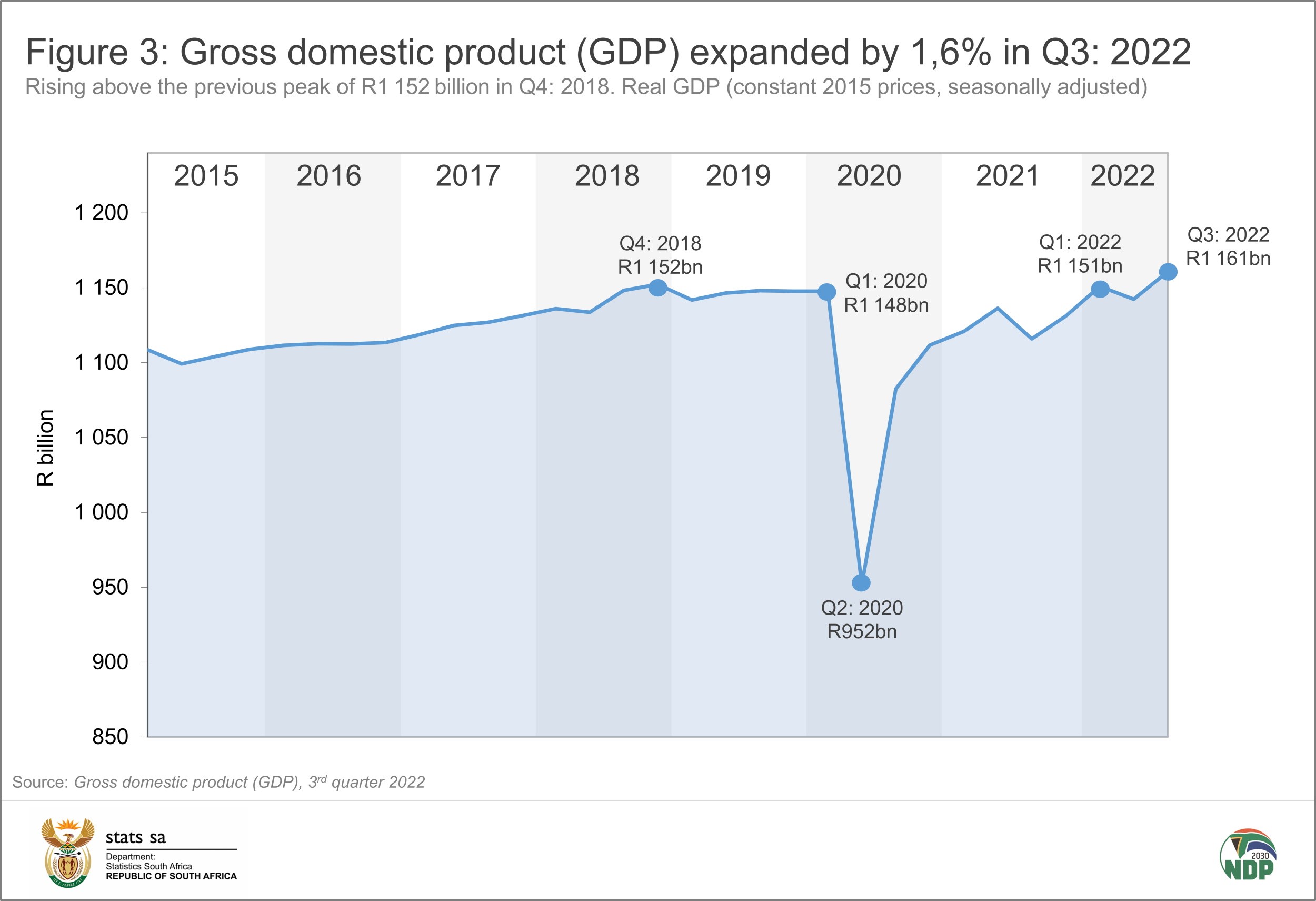
“The South African Reserve Bank (SARB) announced that the economy shrank by 0.2% in Q2 2026, citing global oil disruptions and geopolitical tensions as key drivers of inflationary pressures. While the repo rate remains at 7.25%, the Bank projects headline inflation above 5% in the near term and warns that growth risks are skewed to the downside.”
South Africa’s macroeconomic outlook has taken a sharp turn as the South African Reserve Bank (SARB) released its September 2026 Monetary Policy Committee (MPC) statement. The report highlights a contraction in GDP, rising inflationary pressures, and a fragile global environment that continues to weigh heavily on domestic prospects. This article provides a comprehensive analysis of the SARB’s latest findings, situating them within both global and local contexts.
Global Context and Supply Shocks
The SARB emphasized that the global economy is facing persistent supply shocks. Escalating conflict in the Middle East has disrupted oil flows through the Strait of Hormuz, while fighting in Yemen has interrupted Saudi oil exports. Simultaneously, the Russia-Ukraine war continues to damage refinery capacity and food exports. These events have created a negative global supply shock, pushing up energy costs and complicating inflation management worldwide.
Major central banks, including the European Central Bank, Bank of Japan, and the U.S. Federal Reserve, have responded by raising interest rates. Longer-term yields have surged to multi-decade highs, driven by fiscal deficits and heavy borrowing for infrastructure, particularly in artificial intelligence. While global growth remains resilient, vulnerabilities are multiplying, leaving the world economy in a precarious state.
Domestic Growth Outlook
South Africa’s economy contracted by 0.2% in Q2 2026, confirming earlier warnings of downside risks. The SARB projects a rebound in the second half of the year, with annual growth expected at 1.2%. Over the medium term, growth is forecast at around 2%, contingent on global stabilization and domestic reforms. However, risks remain skewed to the downside, particularly if external shocks persist.
The contraction reflects weakness in key sectors such as manufacturing and mining, both of which are critical to employment and export earnings. Elevated input costs and supply constraints have further eroded confidence, underscoring the fragility of South Africa’s recovery.
Inflation Dynamics
Fuel prices are the primary driver of rising inflation. Petrol under-recoveries averaged R2.83 per litre, pushing headline inflation above 5% in late 2026 and early 2027. The SARB expects inflation to return to its 3% target by end-2027, assuming fuel shocks recede. Food inflation, however, has been more favorable, reaching its lowest level since 2010, supported by a resilient rand and contained import prices.
Monetary Policy Decision
Despite these pressures, the SARB opted to keep the repo rate unchanged at 7.25%. The decision reflects a balancing act: tightening policy further could stifle already weak growth, while loosening could exacerbate inflation risks. The Bank’s cautious stance underscores its commitment to maintaining stability while acknowledging the challenges posed by external shocks.
Fiscal and Structural Considerations
South Africa’s fiscal position remains constrained, with limited room for expansive policy. Large deficits in major economies highlight the dangers of excessive borrowing, a lesson South Africa cannot afford to ignore. Structural reforms aimed at improving the business environment are critical to unlocking growth potential. Without them, the economy risks stagnation in the face of global volatility.
Sectoral Impacts
- Mining: Continued decline in platinum group metals and gold production threatens export earnings.
- Manufacturing: July data showed a rebound, but sustained recovery depends on energy stability.
- Trade and Accommodation: The largest drag in Q2, reflecting weak tourism and household spending.
Outlook and Risks
The SARB’s forecast assumes stabilization in global conditions and successful domestic reforms. However, risks include:
- Prolonged oil disruptions
- Continued geopolitical instability
- Weak investment trends
- Rising borrowing costs globally
If these risks materialize, South Africa could face prolonged stagnation, with inflationary pressures undermining household purchasing power.
Conclusion
The SARB’s September 2026 MPC statement paints a sobering picture of South Africa’s macroeconomic landscape. With growth contracting, inflation rising, and global shocks intensifying, policymakers face a delicate balancing act. The path forward requires resilience, reform, and careful navigation of external risks. For businesses and households alike, the coming months will demand adaptability in the face of uncertainty.



