




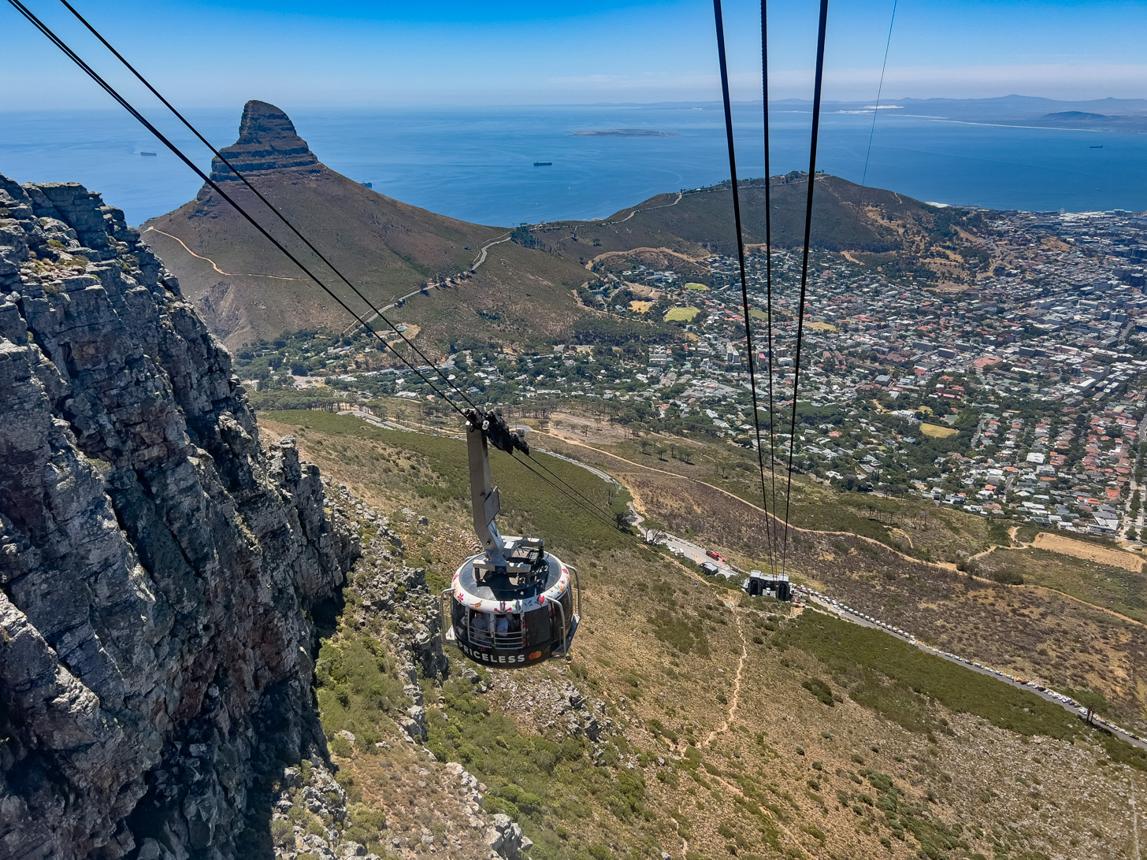
“Table Mountain Aerial Cableway Company is expanding access to one of South Africa’s best-known adventure and nature attractions through digital ticketing, real-time mountain information, improved mobility access, visitor concessions and educational programmes. The development comes as South Africa records continued growth in international tourism, increasing attention on accessible, safe and varied outdoor experiences for both international and domestic travellers.”
South Africa’s adventure tourism landscape is receiving another boost as Table Mountain Aerial Cableway Company (TMACC) continues to expand access to Table Mountain while tourism numbers increase across the country. The development is significant for travellers interested in outdoor experiences because Table Mountain combines nature, hiking, sightseeing, wildlife, spectacular scenery and physical adventure in one of Cape Town’s most recognised destinations.
The latest development was reported by Bizcommunity in a September 2026 tourism industry article, which detailed TMACC’s efforts to improve the visitor journey through digital ticketing, live operating information, mobility measures, concessions and educational programmes. According to the report, South Africa recorded 991,696 international tourist arrivals in July 2026, an increase of 12.5% compared with July 2025. International arrivals during the first seven months of 2026 reached approximately 6.58 million, representing year-on-year growth of 12.4%.
For adventure travellers, the importance of this development goes beyond simply making it easier to reach the summit. Table Mountain is part of Cape Town’s wider outdoor tourism offering, with opportunities for hiking, guided walks, sightseeing and exploring the mountain environment. The Cableway provides an alternative for visitors who may not be able to undertake a strenuous mountain climb while still allowing them to experience the landscape.
Improving access to a major adventure destination
One of the most notable developments is the expansion of digital ticketing. TMACC has introduced WhatsApp ticket purchasing through Webtickets, giving visitors another way to purchase standard return and one-way Cableway tickets. Tickets bought through WhatsApp, online or at the Ticket Office are valid for seven days, while unused WhatsApp tickets can be refunded within the validity period under the applicable conditions.
Digital access is particularly relevant to modern adventure tourism because travellers increasingly plan activities around weather, transport, availability and changing conditions. Table Mountain can experience rapidly changing weather, including strong winds and reduced visibility. TMACC’s website and mobile application provide live information covering operating status, temperature, visibility, wind conditions, first and last Cableway departures and estimated waiting times.
That information also has an important safety dimension. Adventure activities depend heavily on environmental conditions, and mountain weather can change quickly. Checking conditions before travelling to an elevated outdoor destination allows visitors to make better-informed decisions about whether to proceed with a planned activity.
Accessibility becomes part of adventure tourism
Another important aspect of the development is physical accessibility.
TMACC’s Universal Access Walkway, opened in April 2026 in partnership with SANParks, provides a route towards the edge of the summit plateau for visitors using wheelchairs, prams and other mobility aids. Additional measures include dedicated disabled parking bays, priority access at the ticket office and lift access serving the Cableway. Wheelchairs are available on request, while mobility scooters are available at the Upper Station subject to a safety assessment and staff guidance.
The changes reflect a broader understanding of adventure tourism: outdoor experiences are not limited to physically demanding activities. A destination can offer adventure through landscapes, wildlife, scenery and cultural experiences while also providing different ways for visitors to participate.
Table Mountain’s summit has ramps at the TEN67 Eatery and a dedicated lift serving the VIEWS by De Grendel wine bar and restaurant. TMACC also provides information about pathways that are suitable for wheelchairs and mobility scooters.
This approach gives travellers more information before they arrive and makes it easier to match an activity with their individual mobility needs.
Table Mountain combines adventure with nature
The attraction’s adventure value also comes from its natural environment. Cape Town Tourism describes Table Mountain as a major natural attraction containing extensive fynbos and a variety of wildlife. The mountain is positioned within a protected natural environment and provides visitors with opportunities to experience South Africa’s distinctive landscapes close to a major city.
Visitors do not necessarily have to choose between sightseeing and adventure. The Cableway can provide access to the mountain, while hiking routes, guided walks and other activities allow travellers to explore different aspects of the destination.
The official Table Mountain website lists guided walks as part of the visitor experience, with free 30-minute walks departing hourly from the Twelve Apostles Terrace between 09:00 and 15:00. The attraction also promotes hiking and other outdoor experiences around the mountain.
For travellers looking for a more active experience, the mountain therefore functions as more than a viewing platform. It can serve as a starting point for exploring Cape Town’s natural environment.
Tourism growth increases pressure and opportunity
The expansion of visitor access comes against a backdrop of increasing tourism activity in South Africa.
Statistics cited by Bizcommunity show that international arrivals rose strongly during the first seven months of 2026. The article also reported that African markets increased by 14.3%, while overseas arrivals increased by 5.7% during July.
For adventure destinations, increased tourism creates opportunities for businesses, guides, transport providers, accommodation operators and communities. At the same time, higher visitor numbers can make visitor management, environmental protection, safety and infrastructure increasingly important.
South Africa’s Department of Tourism is using September Tourism Month to promote domestic travel and showcase tourism opportunities across the country’s nine provinces. The 2026 Tourism Month programme is linked to the theme “Growing South Africa’s Tourism Sector in the Digital Era”, with the department highlighting the role of digital technology and artificial intelligence in tourism.
Table Mountain’s investment in digital visitor information fits into this wider movement towards technology-supported tourism.
Affordability and domestic travel
Adventure tourism is also influenced by affordability. TMACC currently offers several concession arrangements, including reduced rates for children, South African senior citizens and students. South Africans can also redeem a free return Cableway ticket during their birthday month under the stated conditions. A “Local is Lekker” promotion is available until 31 October 2026.
The official Cableway ticket information lists the standard online adult return price at R475 for tickets applicable from 1 July 2026 to 30 June 2027, while children aged four to 17 pay R230 online for a return ticket. South African senior citizens pay R130 for a return ticket, subject to the applicable identification requirement.
Such pricing structures matter because domestic tourism remains an important part of South Africa’s tourism economy. Adventure attractions that provide different price points can potentially appeal to families, students, local residents and international visitors.
Safety remains central to mountain adventures
Although the Cableway provides an accessible route to the mountain summit, visitors should still treat Table Mountain as a mountain environment rather than an ordinary urban attraction.
Weather conditions can affect Cableway operations, while hikers and other outdoor visitors must account for terrain, temperature, wind and visibility. The official Cableway website specifically advises visitors to check current weather information because the Cableway may close during bad weather.
The spring operating schedule from 1 September to 31 October provides for the first Cableway car at 08:30, the last car up at 18:00 and the last car down at 19:00.
Travellers planning hikes should therefore check conditions before departing and ensure that their plans allow sufficient time to return safely.
South Africa’s adventure tourism offer continues to diversify
Table Mountain’s development forms part of a broader expansion of South Africa’s adventure tourism offering.
Earlier this month, SAnews reported on the addition of a zipline at Golden Gate Highlands National Park in the Free State. The attraction consists of seven cables between elevated platforms, with the longest cable stretching approximately 650 metres. The development complements hiking, horse riding, scenic drives and other visitor activities at the park.
The Golden Gate project also illustrates how adventure attractions can be connected to conservation, local employment and tourism development. According to SAnews, the zipline created 20 local jobs, with guides receiving specialised training, certification and first-aid training. Environmental considerations were also incorporated into the planning and development process.
Together, these developments demonstrate the range of experiences available to adventure travellers in South Africa, from mountain hiking and cableway sightseeing to ziplining, wildlife experiences and outdoor exploration.
What this means for travellers
For visitors planning an adventure-focused South African holiday, Table Mountain offers the opportunity to combine physical activity with sightseeing and nature. Travellers can use the Cableway, explore guided walks, hike where appropriate and experience panoramic views across Cape Town and the surrounding coastline.
The attraction’s increased emphasis on digital information also means visitors can check conditions before leaving their accommodation. That is particularly useful when planning mountain activities, where weather can change rapidly.
Visitors should also consider transport arrangements. TMACC encourages the use of its free Park & Ride shuttle between the Lower Tafelberg Road parking area and the Lower Station. Public transport options are also available, including connections using Cape Town’s MyCiTi bus network.
Conclusion
The latest developments at Table Mountain highlight how adventure tourism in South Africa is evolving around accessibility, technology, safety and visitor experience. With international arrivals continuing to grow, attractions are increasingly expected to accommodate different types of travellers while protecting the natural environments that make them attractive.
For Table Mountain, that means combining one of Cape Town’s most recognisable landscapes with improved digital information, expanded physical access, visitor concessions, education and outdoor activities.
The result is a tourism experience that can appeal to hikers, families, students, international visitors, domestic travellers and people seeking a mountain experience without necessarily undertaking a strenuous climb. As South Africa enters the warmer months and celebrates Tourism Month, Table Mountain remains an important example of how adventure, nature and accessible tourism can operate alongside one another.



