




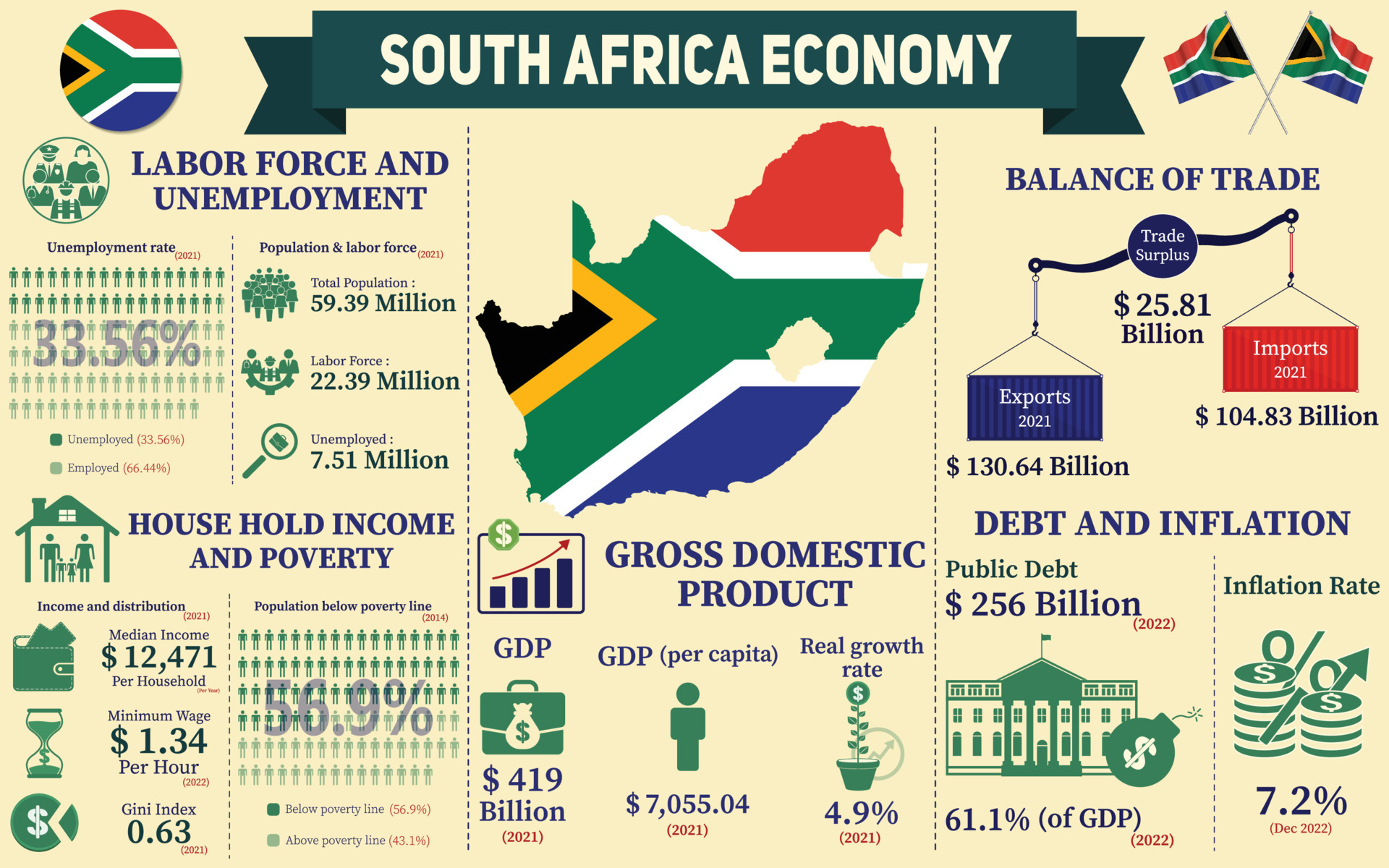
“South Africa’s economy contracted by 0.2% in Q2 2026, with the SARB projecting only 1.2% growth for the year as global oil supply disruptions drive inflation higher. The MPC held the repo rate at 7.25%, citing resilience in the rand but warning that fuel-driven inflation could push headline CPI above 5% in late 2026.”
South Africa’s macroeconomic outlook has taken a sharp turn as the South African Reserve Bank (SARB) released its latest Monetary Policy Committee (MPC) statement on 29 September 2026. The report highlights a contraction in GDP, rising inflationary pressures, and persistent global shocks that continue to weigh on the domestic economy.
Global Context
The SARB emphasized that the global environment remains “challenging and uncertain.” Escalating conflicts in the Middle East have disrupted oil flows through the Strait of Hormuz, while fighting in Yemen has interrupted Saudi exports. Simultaneously, the Russia-Ukraine war continues to damage refinery capacity and food exports. These combined shocks have created a negative global supply shock, pushing up energy and food prices worldwide.
Major central banks, including the European Central Bank, Bank of Japan, and the US Federal Reserve, have responded with rate hikes. Longer-term interest rates globally are climbing to multi-decade highs, driven by fiscal deficits, inflation risks, and heavy borrowing for AI infrastructure.
Domestic Growth Outlook
South Africa’s economy contracted by 0.2% in Q2 2026, ending six consecutive quarters of expansion. The contraction was driven by declines in mining output—particularly platinum group metals, manganese, gold, and iron ore—while agriculture saw modest gains due to favorable rainfall. Manufacturing output also fell, marking the fourth consecutive quarterly decline.
Despite this setback, the SARB projects a rebound in the second half of 2026, with annual growth forecast at 1.2%. Medium-term growth is expected to hover around 2%, contingent on global stabilization and domestic reforms. However, risks remain skewed to the downside.
Inflation Pressures
Fuel prices are the primary driver of inflationary pressures. Petrol under-recoveries averaged R2.83 per litre, pushing headline inflation forecasts above 5% for late 2026 and early 2027. The SARB expects inflation to ease back toward 3% by 2027, assuming fuel shocks recede. Food inflation, however, has been more favorable, reaching its lowest level since 2010. The rand’s resilience has also helped contain import costs.
Policy Decision
The MPC opted to keep the repo rate at 7.25%, balancing inflation risks against weak growth. The SARB noted that while higher rates could curb inflation, they risk deepening the slowdown. The decision reflects a cautious stance, aiming to stabilize expectations while avoiding excessive strain on households and businesses.
Sectoral Analysis
- Primary Sector: Mining output fell across most mineral groups, while agriculture benefited from strong crop yields.
- Secondary Sector: Manufacturing contracted broadly, though construction activity expanded.
- Tertiary Sector: Retail trade grew modestly, but wholesale and motor trade declined due to higher transport costs.
Household Impact
Consumers face mounting cost-of-living pressures, particularly from fuel and transport costs. Household consumption expenditure rose slightly, but disposable incomes remain under strain. Rising interest rates globally may also affect borrowing costs domestically.
Government and Fiscal Position
South Africa’s fiscal space remains limited. Large deficits in major economies highlight the risks of debt-driven growth, and South Africa faces similar challenges. Infrastructure investment is critical, but financing constraints persist.
Outlook and Risks
The SARB’s medium-term outlook hinges on:
- Stabilization of global oil markets
- Continued resilience of the rand
- Successful domestic reforms to improve the business environment
Risks include prolonged geopolitical conflicts, further commodity price shocks, and weak domestic investment.
Conclusion
South Africa’s macroeconomic trajectory in late 2026 is defined by fragile growth, rising inflation, and global uncertainty. The SARB’s cautious stance reflects the delicate balance between supporting recovery and containing inflation. For households and businesses, the months ahead will likely bring continued pressure from fuel costs, while policymakers face the challenge of steering the economy through turbulent global waters.



