




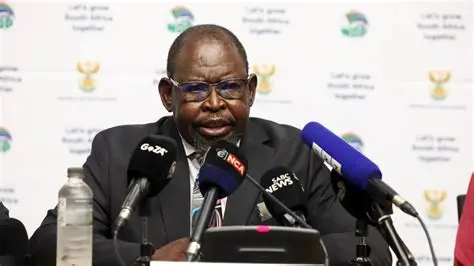
“Finance Minister Enoch Godongwana’s 2026 Budget Speech projects debt stabilization at 78.9% of GDP, with a decline below 75% in five years. The plan introduces tax relief, infrastructure investment, and reforms in energy and logistics to boost business confidence and inclusive growth.”
South Africa’s 2026 Budget Speech, delivered by Finance Minister Enoch Godongwana, represents a pivotal moment in the country’s economic trajectory. After years of fiscal strain, rising debt levels, and subdued growth, the government has unveiled a comprehensive plan aimed at stabilizing debt, fostering growth, and strengthening investor confidence. This article explores the key elements of the budget, its implications for business policy, and the challenges ahead.
Debt Stabilization: A Structural Turning Point
- Debt-to-GDP projected to peak at 78.9% in 2025/26, before declining below 75% within five years.
- Debt-servicing costs currently absorb 5% of GDP, crowding out growth-oriented spending.
- Stabilization is expected to ease investor concerns and improve South Africa’s credit outlook.
This marks a significant departure from nearly two decades of rising debt. For businesses, debt stabilization signals reduced fiscal risk and a more predictable macroeconomic environment.
Growth Prospects and Infrastructure Investment
- The budget forecasts modest growth of 1.6% in 2026.
- Over R1 trillion allocated to infrastructure investment, including energy, transport, and logistics.
- Infrastructure spending is expected to stimulate job creation and improve competitiveness.
For business policy, infrastructure investment is crucial. Improved logistics and energy reliability directly reduce costs for firms, while creating opportunities in construction, manufacturing, and services.
Fiscal Discipline and Social Protection
- The budget balances fiscal discipline with social protection.
- Measures include tax relief for households and small businesses, alongside expanded social grants.
- This dual approach aims to sustain consumer demand while ensuring fiscal sustainability.
The emphasis on social protection reflects South Africa’s commitment to inclusive growth, ensuring that reforms do not exacerbate inequality.
Business Policy Reforms
- Regulatory reforms in energy and logistics to reduce bottlenecks.
- Tax incentives for investment in renewable energy and manufacturing.
- Streamlined processes for business registration and compliance.
These reforms are designed to boost business confidence, attract foreign investment, and support domestic entrepreneurship.
Challenges Ahead
Despite the positive outlook, challenges remain:
- Global economic uncertainty, including commodity price volatility.
- Domestic structural issues such as unemployment and inequality.
- Political pressures that may complicate fiscal discipline.
Conclusion
The 2026 Budget Speech is more than a financial document—it is a roadmap for South Africa’s economic resilience. By stabilizing debt, investing in infrastructure, and reforming business policy, the government aims to restore confidence and lay the foundation for sustainable growth. For businesses, the message is clear: South Africa is committed to creating a more stable, competitive, and inclusive economic environment.



