




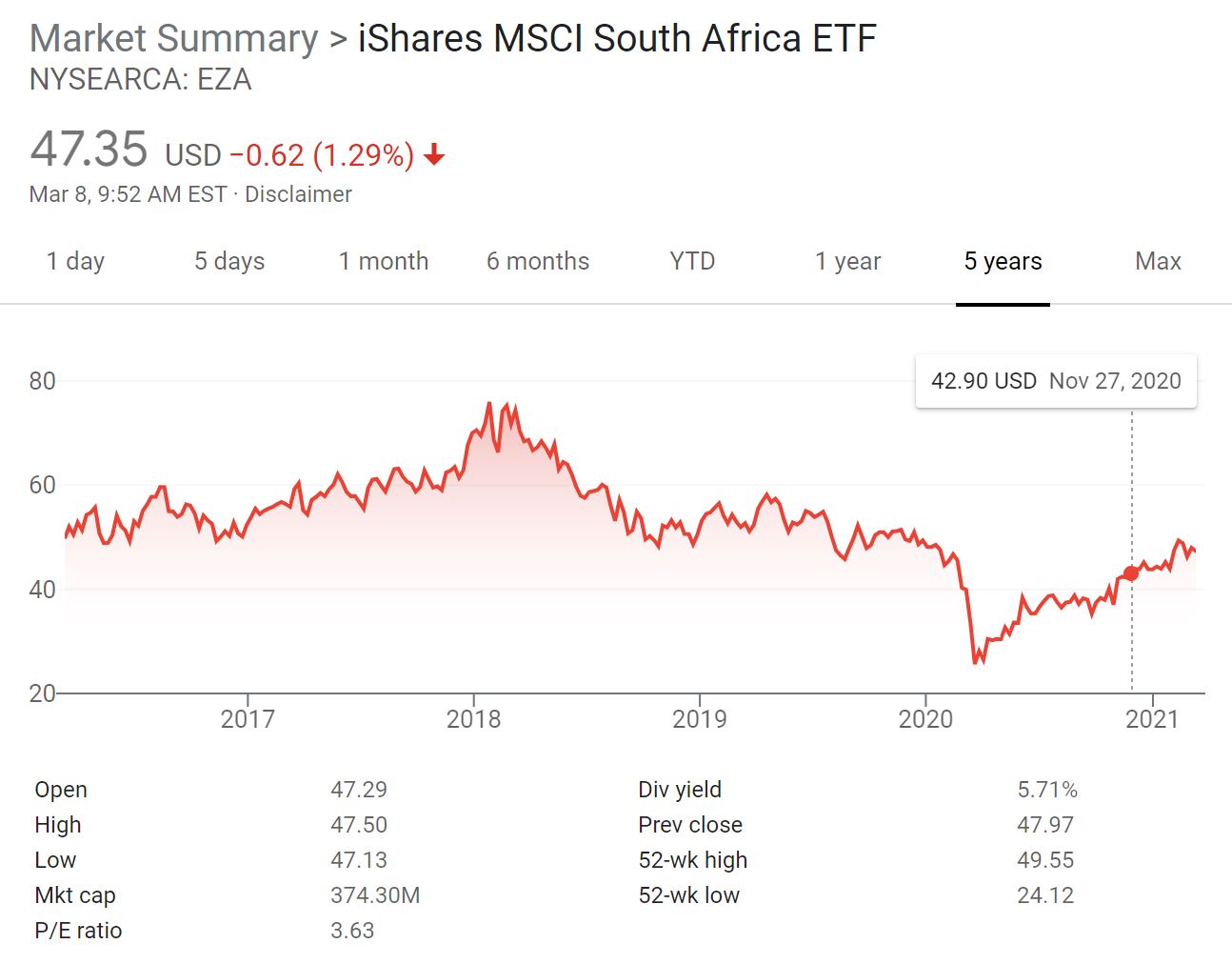
“South Africa’s benchmark stock market index, the SAALL, fell by 0.45% on 8 September 2026, closing at 116,466 points. Despite this dip, the index remains up 12.82% compared to last year, reflecting resilience but also raising concerns about near-term volatility.”
On Tuesday, 8 September 2026, the South Africa All Share Index (SAALL) closed at 116,466 points, down 0.45% from the previous session. This decline comes after a period of strong growth, with the index still showing a 12.82% increase year-on-year. The short-term dip highlights investor caution as global uncertainties weigh on emerging markets.
Historical Context
- The SAALL reached an all-time high of 129,339 points in March 2026, buoyed by strong commodity exports and foreign investment.
- Since then, the index has moderated, reflecting both domestic challenges and global headwinds.
- Analysts project the index could fall to 115,678 points by the end of Q3 2026, and potentially to 102,356 points within 12 months, suggesting a bearish outlook.
Key Drivers of the Decline
- Global Market Sentiment: Asian markets were mixed, with the Hang Seng down 0.93% while Japan’s Nikkei rose 2.25%. European confidence hit a four-year high, but expectations of an ECB rate hike added pressure.
- Commodity Prices: Brent crude oil surged to $97.57 per barrel, while gold rose to $4,437/oz, reflecting investor flight to safe havens.
- Currency Movements: The rand traded at R15.99 to the US dollar, showing relative stability but still vulnerable to external shocks.
Domestic Factors
- Foreign Reserves: South Africa’s net reserves rose to $73.69 billion in August, strengthening the country’s financial position.
- Bond Yields: The 2035 government bond yield hovered around 8.53%, reflecting investor concerns about long-term debt sustainability.
- Upcoming Data: Stats SA is set to release Q2 GDP growth figures, with mining and manufacturing data expected later this week. These reports will be critical in shaping investor sentiment.
Investor Outlook
While the year-on-year growth remains strong, the short-term forecast is bearish, with analysts warning of potential corrections. The combination of global uncertainty, commodity price volatility, and domestic structural challenges suggests that investors should brace for turbulence in the coming months.
Strategic Implications
- For Investors: Diversification into commodities and defensive sectors may help mitigate risks.
- For Policymakers: Maintaining fiscal discipline and supporting manufacturing could stabilize confidence.
- For Businesses: Exporters may benefit from China’s removal of tariffs on African goods, particularly in agriculture (e.g., apples and wine).



