




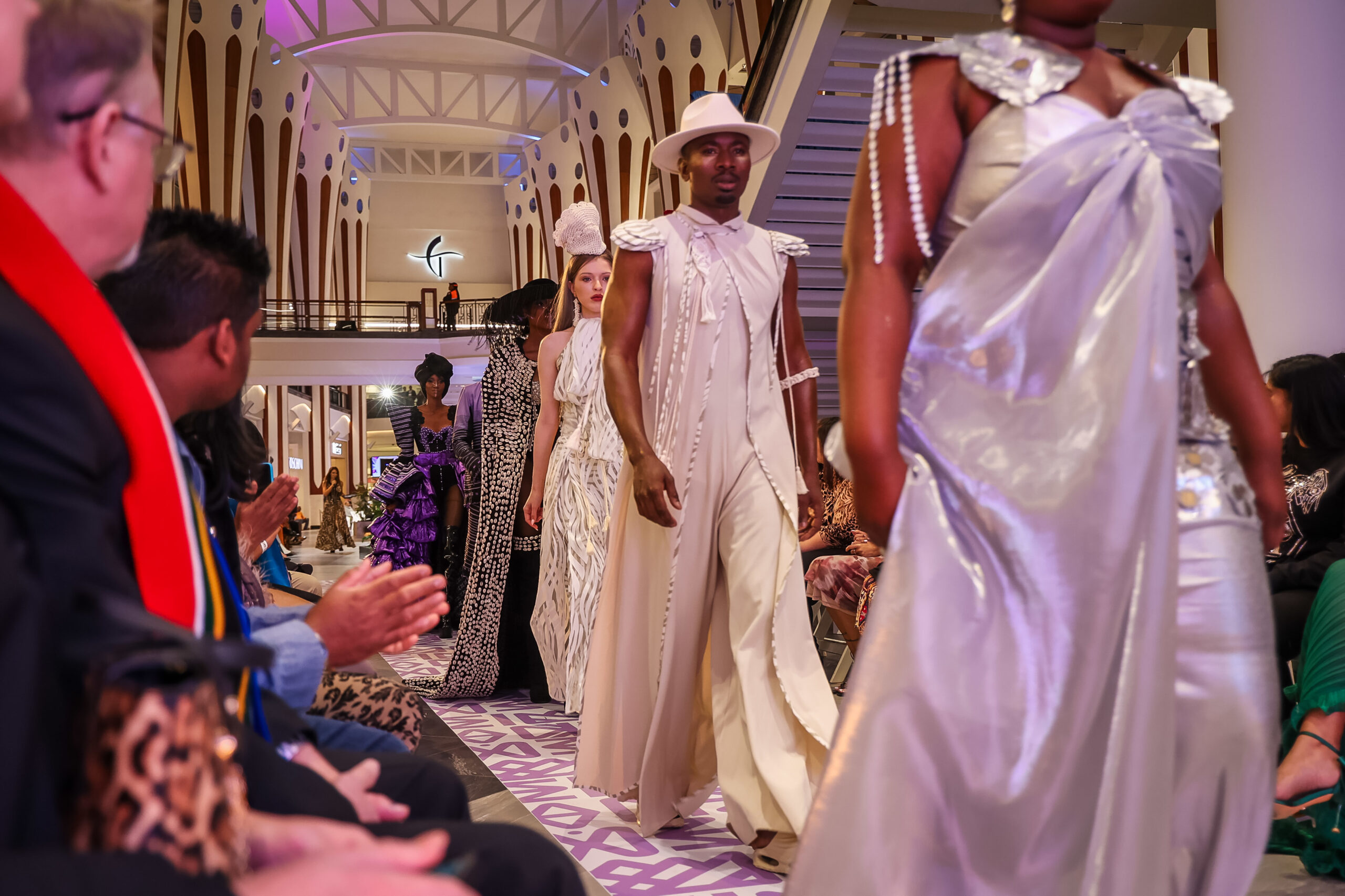
“South African fashion in 2026 is defined by heritage-inspired prints, neon-updated animal motifs, and bold colour palettes, with streetwear remaining the cultural backbone of youth identity. The Durban July 2026 showcase reinforced sustainability, spotlighting biodegradable textiles and upcycled denim while celebrating Zulu beadwork and Ndebele patterns.”
Fashion in South Africa has always been more than clothing—it is a mirror of culture, identity, and innovation. As we enter the second half of 2026, the country’s fashion scene is experiencing a dynamic transformation, where streetwear, heritage prints, and bold colour palettes converge to create a uniquely South African aesthetic. This evolution is not only shaping local wardrobes but also influencing global conversations about identity, sustainability, and digital culture.
Colour Trends Defining 2026
- Earthy Neutrals: Shades like sand, stone, and soft brown dominate collections, grounding them in South Africa’s natural landscapes.
- Jewel Tones: Emerald green, sapphire blue, and ruby red inject vibrancy, appearing in sneakers, jackets, and semi-formal wear.
- Metallics: Chrome silver and rose gold reflect digital culture, connecting fashion to music videos and online aesthetics.
- Pastels: Soft pinks and sage greens balance boldness, especially in summer collections.
These palettes illustrate how designers are blending local identity with global relevance, ensuring South African fashion remains distinctive yet adaptable.
Prints and Patterns
- Animal Prints with Neon Updates: Leopard and zebra motifs are reimagined with electric overlays, transforming classic designs into futuristic streetwear statements.
- Heritage Patterns: Ndebele and other African motifs dominate collections, reinforcing cultural pride and authenticity.
- Graphic Streetwear: Oversized hoodies and bomber jackets feature bold, experimental graphics, appealing to younger audiences.
This fusion of heritage and futurism positions South Africa as a hub of innovative design.
Streetwear as Cultural Backbone
Streetwear remains the heartbeat of South African youth fashion. Unlike rigid international runway cycles, local streetwear thrives on adaptability—minimalist one season, explosive with colour the next. Influenced by music, nightlife, and digital communities, streetwear is not just clothing but a cultural marker of identity and rebellion.
Influence of Digital Culture
The rise of metallic finishes and futuristic aesthetics reflects the growing influence of digital platforms. Fashion is increasingly shaped by social media, online communities, and e-commerce, where trends spread rapidly and youth experiment with hybrid identities that blend physical and digital worlds.
Durban July 2026 Showcase
The Hollywoodbets Durban July 2026, South Africa’s premier fashion spectacle, unfolded under the theme “Country Allure”. Designers spotlighted:
- Biodegradable textiles reducing landfill waste.
- Upcycled denim promoting circular fashion.
- Zulu beadwork and Ndebele prints reimagined for modern wardrobes.
This event reinforced South Africa’s role as a leader in sustainable fashion, merging eco-conscious innovation with cultural heritage.
Cultural and Economic Impact
The Durban July is not only a fashion spectacle but also an economic driver. Designers gain international exposure, influencers expand their reach, and the event reinforces Durban’s role as a cultural capital. The sustainable fashion market in South Africa is projected to reach USD 680.66 million by 2033, growing at a CAGR of 25.27% from 2026.
Conclusion
South Africa’s 2026 fashion trends highlight a unique blend of heritage, sustainability, and digital futurism. With bold colours, reimagined prints, and streetwear at its core, the nation’s fashion industry is not only shaping local identity but also influencing global narratives. The Durban July 2026 showcase proved that South African fashion is both culturally grounded and globally relevant, setting the stage for a future where tradition and innovation walk hand in hand.



