




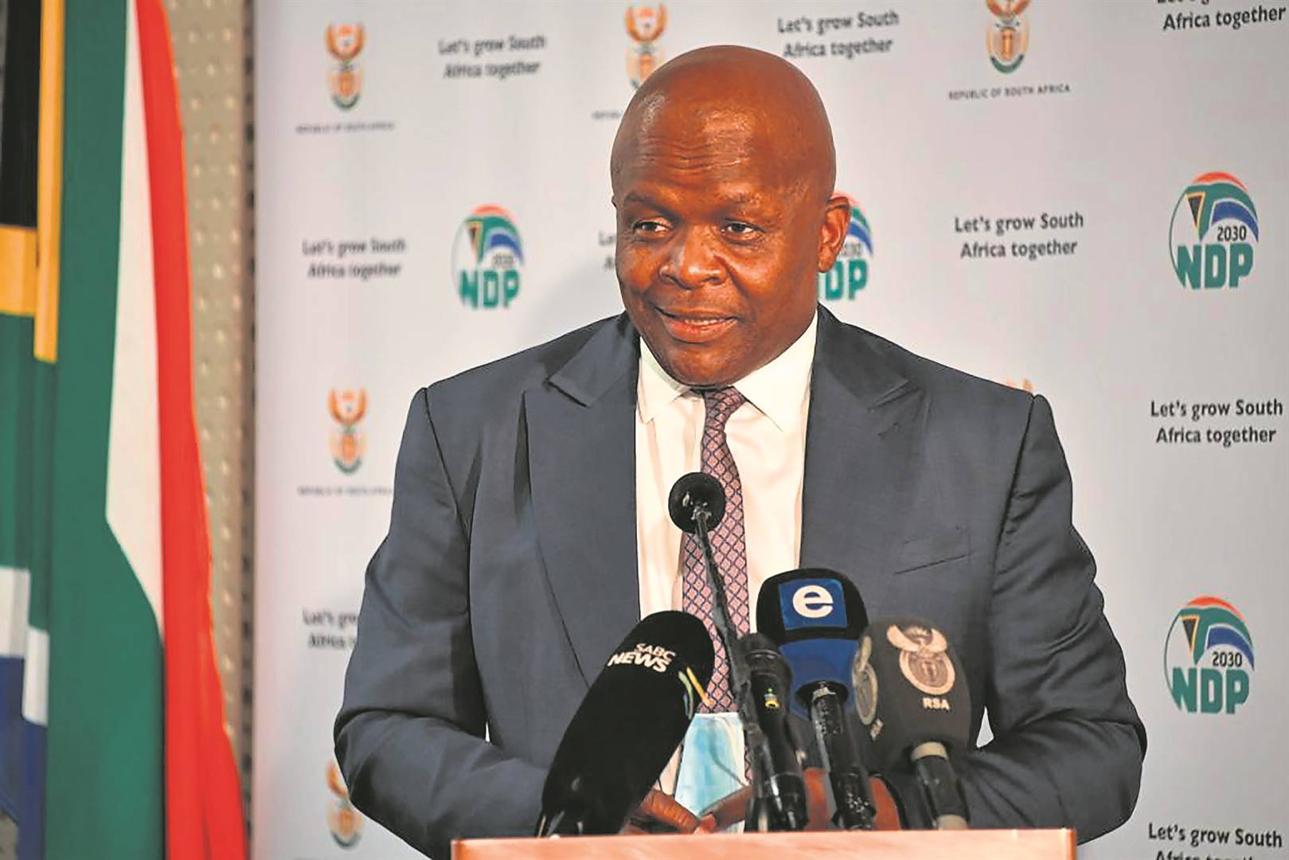
“South Africa is preparing a revised national artificial intelligence policy after the government withdrew an earlier draft when fictitious and unverifiable references were discovered in the document. Deputy Communications and Digital Technologies Minister Mondli Gungubele says the revised policy is at an advanced stage, with ministerial consideration expected before the end of November and Cabinet consideration thereafter.”
South Africa is preparing to restart its national artificial intelligence policy process, with government officials indicating that a revised policy document could reach Cabinet later this year. The development follows the withdrawal of an earlier draft after questions were raised about fictitious sources and AI-generated material contained in the document. The new process places renewed attention on how South Africa intends to regulate artificial intelligence while simultaneously encouraging technological development, investment, skills and economic growth.
Deputy Minister of Communications and Digital Technologies Mondli Gungubele said the revised draft was at an advanced stage and that he had been briefed on its progress. According to his account, the document is expected to undergo ministerial consideration before being taken through the relevant government clusters and eventually submitted to Cabinet. The timetable reported on 3 October indicates that ministerial input is expected before the end of November.
The development represents a new stage in a policy process that encountered serious problems earlier in 2026. Cabinet had approved publication of the draft South Africa AI Policy for public comment in March. The government said the policy was intended to ensure that the benefits and risks associated with artificial intelligence were distributed across society and generations. It also aimed to strengthen government capacity to regulate and adopt AI responsibly, encourage local innovation, support employment and expand access to AI skills.
The original policy was structured around six broad areas: capacity and talent development; AI for inclusive growth and job creation; responsible governance; ethical and inclusive AI; cultural preservation and international integration; and human-centred deployment. Cabinet also recognised that AI technologies would have different levels of risk across sectors and therefore required a phased approach to deployment and regulation.
However, the policy process was disrupted after concerns emerged over references contained in the document. Communications and Digital Technologies Minister Solly Malatsi announced in April that the draft would be withdrawn after an internal process confirmed that some sources listed in its references were fictitious. The minister said the problem affected the integrity and credibility of the document and therefore required its withdrawal.
The issue subsequently received attention from Parliament. In May, the Portfolio Committee on Communications and Digital Technologies announced that it would receive a briefing from the department concerning the withdrawal. Parliament said the committee wanted information about the circumstances surrounding the withdrawal, the implications for developing a credible and consultative AI policy framework, and consequence-management measures relating to allegations that sections of the document contained AI-generated content and unverifiable sources.
The policy reset comes as artificial intelligence is becoming increasingly important to South Africa’s economic and public-sector ambitions. Gungubele has argued that AI is important to economic modernisation and national sovereignty. His position, as reported by Business Times, is that AI is already being used in South Africa and that a policy framework is needed to establish the conditions under which it operates.
This creates a policy challenge involving two objectives. On one side, government wants to encourage innovation, investment, digital skills and technological development. On the other, policymakers must consider questions involving privacy, accountability, cybersecurity, employment, discrimination, intellectual property and the use of automated systems in areas affecting citizens.
The government is also considering the broader digital infrastructure needed to support AI development. Wamkele Mene, secretary-general of the African Continental Free Trade Area, told Business Times that Africa’s digital infrastructure requirements represent both a challenge and an opportunity for economic development, skills and employment. He also said the continent could require more than 700 data centres by 2035.
For South Africa, these infrastructure questions are closely connected to policy. AI systems require computing capacity, data, telecommunications networks, skilled workers and reliable electricity. A national policy therefore has implications beyond the technology sector itself. It can influence how government departments adopt AI, how businesses develop products and services, and how educational institutions prepare workers for a changing labour market.
The government is also confronting questions about international technology companies operating in South Africa. During a recent discussion in Hermanus, Gungubele was questioned about SpaceX’s Starlink satellite internet service and the conditions under which it could operate in the country. He said multinational companies operating in South Africa are expected to comply with local laws and policies.
That debate illustrates the broader policy tension between attracting technology investment and applying domestic regulatory requirements. South Africa wants greater connectivity and digital investment, while policymakers also continue to emphasise economic transformation and local participation. These issues are likely to remain part of discussions surrounding the country’s digital policy environment.
The revised AI policy will therefore be watched not only by technology companies but also by businesses, researchers, universities, workers and civil-society organisations. Its eventual contents could influence how AI is governed across different parts of the economy and public administration.
One important issue will be the credibility of the policymaking process itself. Because the previous draft was withdrawn after problems with its references, the revised document will face particular scrutiny over its evidence, methodology and consultation process. Parliament has already emphasised the importance of credibility, transparency and accountability in developing an AI policy framework.
The government must also balance policy development with the speed at which artificial intelligence is evolving. Generative AI, automated decision-making, machine learning and other technologies are developing faster than many traditional regulatory processes. A policy framework that is too restrictive could affect experimentation and investment, while one that is too broad may leave important risks insufficiently addressed.
South Africa’s earlier policy objectives provide an indication of the areas likely to remain important. These include developing skills, supporting inclusive economic growth, establishing responsible governance and ensuring that AI deployment remains centred on people.
The next stage will involve moving the revised document through government structures before Cabinet consideration. The reported timetable points to ministerial input before the end of November, followed by consideration by relevant government clusters and Cabinet. The precise timing and contents of any subsequent public consultation will depend on the government’s final process.
For citizens, the significance of the process extends beyond government paperwork. Artificial intelligence is increasingly connected to employment, education, financial services, communications, healthcare, public administration and online information. Decisions taken in the national policy framework could consequently affect how these technologies are introduced and supervised.
South Africa’s AI policy process has therefore entered a new phase. The withdrawal of the first draft has created an opportunity for government to rebuild the document around verified evidence, clearer governance mechanisms and wider consultation. At the same time, the country faces pressure to develop a framework quickly enough to keep pace with technological change.
The revised policy will ultimately have to address both sides of that challenge: enabling South Africans and local businesses to benefit from artificial intelligence while establishing safeguards for its responsible use. For now, the immediate milestone is the completion of the revised draft and its progression through ministerial and Cabinet processes.



